




Animals in this world are full of wonders that often escape our daily attention. From tiny creatures to ocean giants, nature has created various unique adaptations that leave us in awe. This article discusses 10 unique facts about animals that are rarely known but based on the latest scientific research. These facts are not only interesting to read but can also serve as fun conversation topics or even inspiration to better appreciate biodiversity on our planet.
First, tardigrades, often called “water bears,” are microscopic animals known as the toughest creatures on Earth. These animals can survive extreme temperatures from -272°C to 149°C, pressures six times stronger than the ocean floor, and even in the vacuum of space. Tardigrades can also live without food for over a decade. This uniqueness makes them a favorite subject for scientists studying resilience in extreme conditions.
Second, octopuses have three hearts and blue blood. Two hearts pump blood to the gills for oxygenation, while one pumps to the rest of the body. When swimming, the main heart stops beating, which is why octopuses prefer crawling over swimming. Their blue blood comes from copper-based hemocyanin, not hemoglobin like in humans.
Third, flamingos get their pink color from food. They eat shrimp and algae containing carotenoid pigments. If flamingos in zoos aren’t given special food, their color will fade to white. This fact shows how diet influences an animal’s appearance.
Fourth, the blue whale has a heart the size of a small car and a tongue that can hold the weight of an elephant. A blue whale’s heart can weigh up to 600 kg, and its beats can be heard miles away in the ocean. This animal is the largest in the world, reaching lengths of up to 30 meters.
Fifth, ants have no lungs. They breathe through spiracles, small holes in their bodies that directly deliver oxygen to tissues. This makes ants very efficient in low-oxygen environments.
Sixth, dolphins call each other by unique names. They emit distinctive whistles that function like names, and they respond when those whistles are played back. This indicates a high level of social intelligence in these marine mammals.
Seventh, koalas sleep up to 22 hours a day. They are the laziest animals in the world because the eucalyptus leaves they eat are low in energy, so they must conserve as much energy as possible.
Eighth, the platypus is an egg-laying mammal, one of only a few besides the echidna. Males also have venom in their hind legs that can paralyze an adult human.
Ninth, the immortal jellyfish (Turritopsis dohrnii) can revert to its juvenile form after becoming adult, making it theoretically immortal. This process is called transdifferentiation, where its cells revert to polyps.
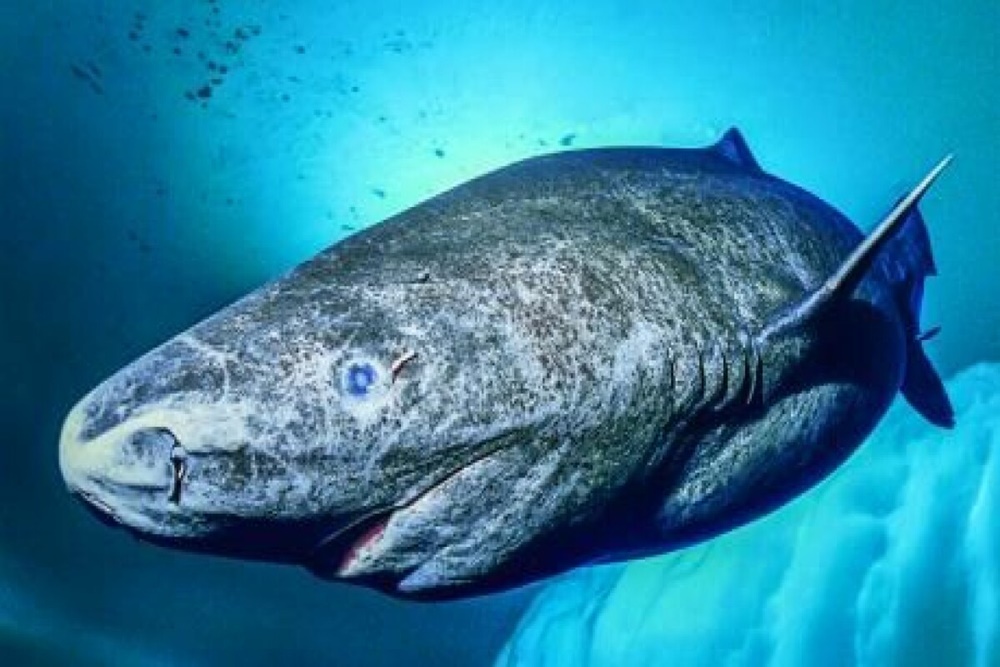
Tenth, the Greenland shark can live up to 400 years, making it the longest-lived vertebrate. They grow very slowly and reach sexual maturity at around 150 years old.
These facts are just a small part of the wonders in the animal world. From invincible tardigrades to name-calling dolphins, these animals teach us about adaptation and evolution. With threats like climate change and habitat loss, it’s important for us to protect this biodiversity. Next, let’s explore the universe, which is no less astonishing
