




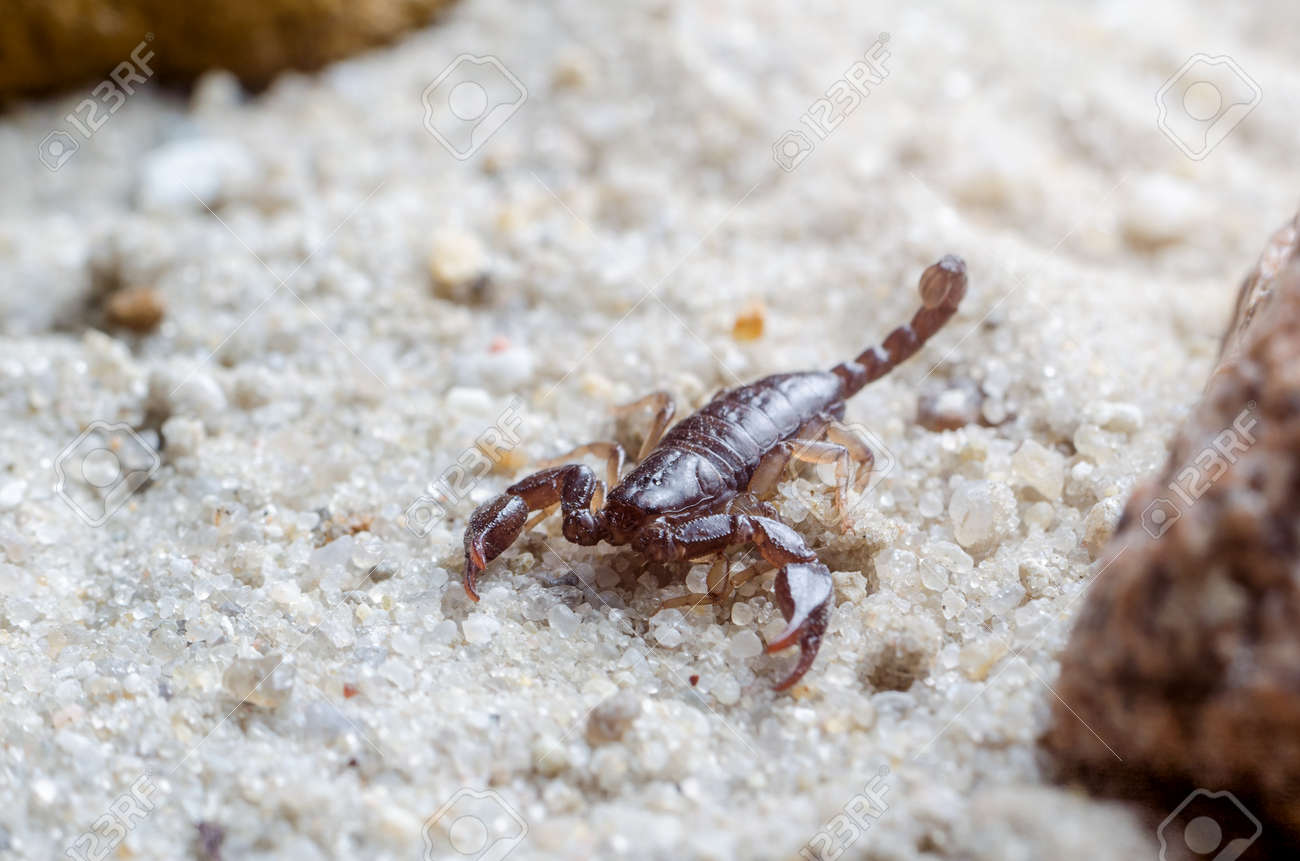
The scorpion is one of the most resilient and misunderstood creatures on Earth. Known for its intimidating pincers and venomous stinger, this arachnid possesses survival abilities that seem almost unreal. One of the most fascinating facts about scorpions is their ability to survive for up to 10 years without food. This extraordinary adaptation makes them one of the toughest animals in the natural world and a subject of great interest for scientists and wildlife enthusiasts. Understanding how scorpions accomplish this feat provides deeper insight into the secrets behind their longevity and evolutionary success.
Scorpions are ancient creatures that have been on Earth for more than four hundred million years. Their survival across multiple mass extinction events is not a coincidence. They have developed specialized biological systems that help them conserve energy and endure harsh climates. One of their most remarkable traits is their extremely low metabolic rate. Scorpions use far less energy than most animals of similar size. This slow metabolism allows them to stay alive even when food is scarce. As long as they have access to water and shelter, they can remain in a dormant state for years, waiting for the right moment to hunt again.
Another reason scorpions can survive without food for long periods is their exceptional control over body functions. When facing starvation, scorpions can reduce their oxygen consumption dramatically, sometimes by as much as half. This process minimizes energy loss and keeps them stable even under extreme pressure. They can also store nutrients efficiently in their bodies. When they consume a large meal, their internal systems slowly release the energy over extended periods, allowing them to stretch a single feeding for months or even years.
Although scorpions can go without food for a decade, they are still capable hunters when the opportunity arises. Using their pincers to trap prey and their venom to immobilize it, scorpions typically feed on insects, spiders, and small animals. Their sensory abilities are advanced. Tiny hairs on their legs detect vibrations on the ground, helping them locate prey in complete darkness. Scorpions are nocturnal, choosing to hunt at night when temperatures are cooler and the environment is safer. This lifestyle also helps them save energy during the hot daytime hours, especially in desert habitats.
Scorpions can survive in some of the world’s most extreme environments, including deserts, forests, mountains, and even caves. They are capable of huddling under rocks or burrowing underground to escape heat and predators. Their bodies are covered with a tough exoskeleton that helps reduce water loss and protects them from environmental stress. This combination of physical durability and physiological efficiency makes scorpions exemplary models of adaptation. Their ability to thrive in hostile conditions demonstrates just how flexible and versatile they are.
The idea of an animal surviving ten years without food may sound exaggerated, but for scorpions, it is simply part of their design. Scientists have conducted controlled studies showing that certain species can indeed remain alive for nearly a decade without feeding, provided that they remain hydrated. This ability gives scorpions a significant advantage in inhospitable environments where food availability is unpredictable. It also contributes to their long lifespan. Some species can live for up to twenty five years in captivity, which is impressive for an animal of their size.
Despite their frightening appearance, scorpions play an important role in maintaining ecological balance. They help control insect populations and contribute to the health of their ecosystems. However, their survival abilities sometimes attract human myths and misunderstandings. While they can endure extreme conditions, scorpions prefer stable habitats and predictable temperatures. They are not aggressive toward humans unless threatened. Learning about their extraordinary biology helps people appreciate these animals instead of fearing them.
The scorpion stands out as a natural marvel, not only because of its venom or armored appearance but also because of its unmatched ability to survive long periods without food. This capability is a testament to millions of years of evolution, shaping them into some of the most efficient creatures on Earth. For researchers, scorpions offer valuable insights into metabolism, energy conservation, and adaptation. For the rest of the world, they serve as reminders that even the smallest animals can possess the most astonishing survival strategies.
