Floating pumice islands are among the most fascinating natural events on Earth. These drifting masses of lightweight volcanic rock can form suddenly after underwater eruptions and travel thousands of kilometers across the ocean. Their unusual appearance, massive size, and ecological impact make them a unique subject for researchers, sailors, and nature observers. This SEO content explores how floating pumice islands form, where they appear, and why they matter for the global marine ecosystem.
What Is a Floating Pumice Island
A floating pumice island is a large patch of pumice stones that stay afloat on the surface of the ocean. Pumice is a type of volcanic rock filled with air pockets, which makes it incredibly light and able to float. After an underwater volcanic eruption, the molten rock cools instantly when it touches seawater, trapping air inside and forming pumice.
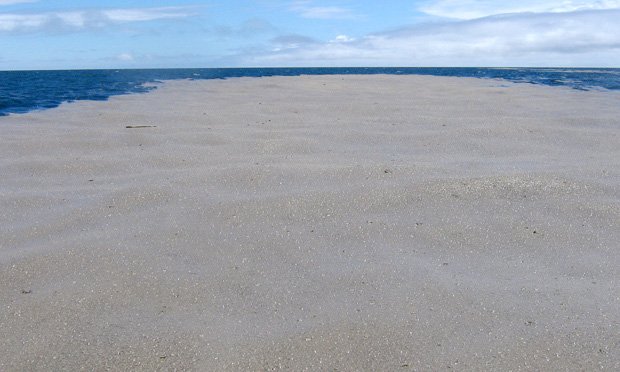
When a massive amount of pumice is produced at once, it gathers and spreads into a floating island, sometimes covering hundreds of square kilometers. These islands can be so large that they are visible from satellites.
How Floating Pumice Islands Form
Most floating pumice islands originate from volcanic eruptions in the deep ocean. Submarine volcanoes release lava, gas, and ash. When the lava reacts with water, it shatters and solidifies into millions of tiny pumice stones.
Ocean currents then carry these stones across long distances. Over time, they clump together, forming a giant drifting layer that looks like a moving landmass from above. These pumice islands can last for months or even years before breaking apart.
Famous Pumice Raft Events in History
Floating pumice islands have occurred many times throughout history, but some of the most notable events include eruptions in the Pacific Ocean near Tonga, Fiji, and New Zealand. In several cases, sailors reported seeing the sea completely covered with gray volcanic stones stretching beyond the horizon.
One of the largest pumice rafts was recorded in 2012 near Tonga. It spanned nearly 26000 square kilometers. The island drifted for months and eventually reached the coast of Australia. This event brought global attention to the phenomenon and showed how powerful underwater volcanic activity can be.
Why Floating Pumice Islands Are Important
Although they may look unusual, floating pumice islands are valuable for marine life. The porous stones become miniature homes for algae, barnacles, coral larvae, and other organisms. As the pumice drifts, it transports new species across regions, contributing to marine biodiversity.
Scientists are particularly interested in how pumice rafts help coral reefs recover. Coral larvae that cling to pumice can travel far distances and establish new colonies in damaged reef areas. This process can naturally support reef restoration without human intervention.
Impact on Navigation and Coastal Areas
While they are beneficial for marine ecosystems, floating pumice islands can pose challenges for boats and ships. Thick pumice patches can clog engine systems, reduce visibility, and slow down vessels. Satellite monitoring often helps alert ships to avoid large pumice areas.
For coastal regions, the arrival of pumice can temporarily change shorelines. Beaches may become covered with small gray stones. Although this may look unusual, pumice is harmless and eventually washes away or mixes naturally with local sediments.
Where Floating Pumice Islands Are Found
Floating pumice islands mostly occur in regions with active submarine volcanoes. The Pacific Ring of Fire is the most common source. Countries like Tonga, Papua New Guinea, Indonesia, and Japan have frequent underwater eruptions that can generate pumice rafts.
Because pumice is light and easily carried by currents, these islands may appear far from their original source. Tracking them helps researchers understand ocean circulation patterns and volcanic activity under the sea.
Why People Are Fascinated by Floating Pumice Islands
Floating pumice islands capture public fascination because they are rare, unpredictable, and visually striking. An entire stretch of the ocean transforming into a moving stone field looks almost unreal. These events remind us of the powerful interaction between volcanic forces and the ocean environment.
As science continues to uncover the mysteries of underwater volcanoes, floating pumice islands will remain an important natural indicator of geological activity. They are not just unusual phenomena but essential parts of the ocean’s natural cycle.
