The Caribbean Sea is known for its turquoise waters, warm beaches, coral reefs, and vibrant marine life. However, beneath its calm and tropical beauty, there lies one of the most fascinating geological phenomena on Earth: a submarine water volcano. This underwater volcano is not just a typical volcanic structure found under the sea. It creates eruptions that release superheated water, minerals, and gas, forming an extraordinary underwater environment that continues to attract researchers, geologists, and curious travelers around the world.
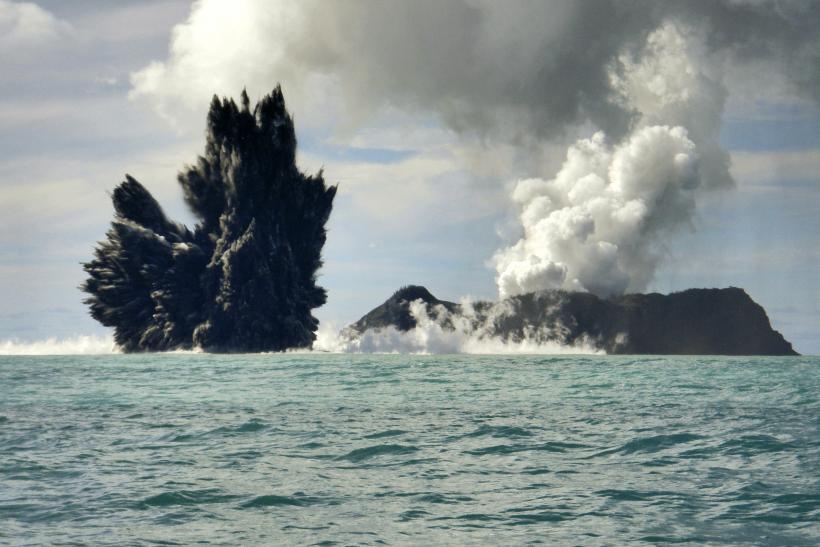
Many people are familiar with surface volcanoes or the idea of a volcanic island emerging from the ocean. But an underwater water volcano is very different. It does not produce fire, lava fountains, or ash clouds like normal volcanoes. Instead, it erupts by releasing extremely hot water mixed with volcanic minerals. These eruptions take place deep below the ocean surface, creating powerful jets of mineral rich water that interact with the cold seawater around them. The Caribbean hosts one of the most studied and intriguing underwater volcanic structures, located near the islands of Dominica and Grenada within what scientists call the Lesser Antilles volcanic arc.
Understanding how a submarine water volcano works helps us appreciate how dynamic the ocean floor truly is. Unlike volcanoes above sea level, which rely on magma rising through the Earth’s crust to create blistering explosions, a submarine water volcano operates at extreme depths. At these depths, ocean pressure is very high, preventing molten rock from exploding violently. Instead, seawater seeps into cracks near the Earth’s crust, heats up as it comes into contact with hot magma, and then shoots back out through hydrothermal vents. The temperature of the water released from these vents can exceed hundreds of degrees Celsius, yet it does not boil because of the intense water pressure around it.
One of the most famous examples in the Caribbean is Kick em Jenny, an active underwater volcano located north of Grenada. Although not widely known by the general public, it is one of the most active submarine volcanoes in the entire region. Scientists have detected frequent eruptions since its discovery in 1939. These eruptions often go unnoticed on the surface because they occur far below the waterline, but sophisticated instruments can detect changes in gas emissions, water temperature, and seismic vibration whenever activity increases. Kick em Jenny provides valuable insights into how underwater volcanic systems affect the Caribbean Sea.
What makes submarine water volcanoes particularly fascinating is the ecosystem that forms around them. Where hot mineral rich water shoots out from the sea floor, life thrives in unexpected ways. Bacteria feed on chemicals from the volcanic vents, forming the basis of a unique ecosystem that does not depend on sunlight. Shrimp, tube worms, and exotic sea creatures gather near the vents, surviving in temperatures and chemical environments that would be deadly to most marine species. These underwater volcanic zones are often compared to alien landscapes, and many scientists believe that similar environments on other planets or moons could possibly support life.
Beyond the biological wonders, submarine water volcanoes also shape the geography of the Caribbean. Over thousands of years, underwater eruptions can create new landforms, such as underwater mountains or volcanic cones. In rare cases, these structures can grow tall enough to break the surface and form new islands. Although no new Caribbean island has emerged this way in recent years, geological history shows that it has happened before and might happen again in the future. The constant tectonic activity in the region makes the Caribbean one of the most dynamic volcanic zones in the world.
For travelers and ocean explorers, the idea of visiting an underwater volcano may sound both thrilling and intimidating. While direct diving above an active submarine volcano is generally restricted for safety reasons, there are still opportunities to explore the surrounding areas through guided boat tours, scientific exhibitions, and underwater research programs. Marine professionals monitor the volcano’s behavior using sensors and robotic submersibles, which allow people to explore the underwater world without risk. These tools capture stunning images of mineral chimneys, volcanic formations, and rare marine life.
In addition to its scientific value, the Caribbean submarine water volcano plays an important role in local culture and environmental awareness. Many coastal communities are familiar with its existence and respect the ocean as a living and powerful natural force. Government agencies and scientific institutions regularly share updates on volcanic activity, ensuring that both residents and visitors remain informed. By studying underwater volcanoes, scientists also gain insight into earthquake risks, tsunamis, and other natural hazards, helping countries in the region improve their safety and preparedness.
The submarine water volcano in the Caribbean is a reminder that the ocean is far more complex than it appears from the surface. It holds geological secrets, extreme environments, and rare ecosystems that challenge our understanding of life on Earth. As research continues, more discoveries are expected to emerge from the depths, shedding light on the hidden volcanic world below the Caribbean Sea. This remarkable natural feature continues to inspire curiosity, exploration, and scientific innovation, proving that some of the most extraordinary wonders of our planet are found underwater.
