




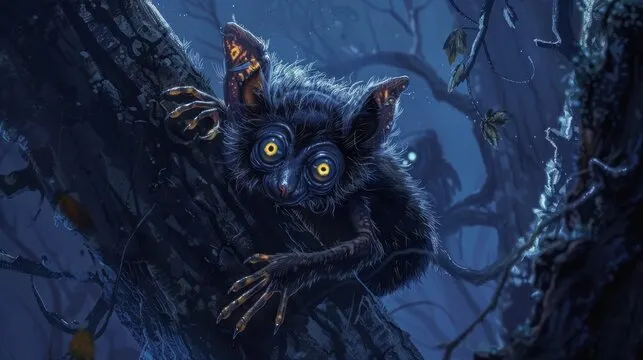
The aye aye is one of the most unusual animals in the world and is rarely seen during daylight hours. This strange looking primate is strictly nocturnal, meaning it is active only at night. Native to Madagascar, the aye aye has evolved special adaptations that allow it to survive and hunt in darkness. Its appearance and behavior have fascinated scientists while also giving rise to myths and misunderstandings.
What Is an Aye Aye
The aye aye is a type of lemur and is the largest nocturnal primate in the world. It has large eyes, bat like ears and a long bushy tail. One of its most distinctive features is its extremely long and thin middle finger, which it uses for feeding.
Unlike other lemurs that rely on sight or smell alone, the aye aye uses sound and touch to locate food. This makes it highly specialized for nighttime life in dense forests.
Why the Aye Aye Is Active Only at Night
The aye aye evolved to be nocturnal to reduce competition for food and avoid daytime predators. At night, insects and larvae become more active, providing an abundant food source. The darkness also offers protection from larger animals that hunt during the day.
Its large eyes allow it to see in low light, while its sensitive ears can detect tiny movements inside tree bark. These adaptations make nighttime the ideal time for the aye aye to forage and move through the forest.
Unique Feeding Behavior
The aye aye uses a rare hunting technique called percussive foraging. It taps on tree trunks with its long middle finger and listens for hollow sounds that indicate the presence of insects. Once it finds a suitable spot, it gnaws through the wood with its sharp teeth and uses its thin finger to extract larvae.
This feeding method is similar to how woodpeckers search for insects, but it is extremely rare among mammals. It allows the aye aye to access food sources that other animals cannot reach.
Habitat and Distribution
Aye ayes live in the rainforests and deciduous forests of Madagascar. They spend most of their time in trees, building nests made of leaves and branches high above the ground. These nests provide shelter during the day when the animal rests and sleeps.
Deforestation has reduced their natural habitat, forcing aye ayes to move closer to human settlements in some areas. This has increased human encounters, often leading to fear and misunderstanding.
Myths and Cultural Beliefs
In Malagasy folklore, the aye aye is often associated with bad luck or misfortune. Some local beliefs view it as an omen, which has led to persecution in the past. These cultural myths have contributed to the decline of aye aye populations in certain regions.
Conservation groups work with local communities to change these perceptions by educating people about the aye aye’s role in the ecosystem and its importance as a unique species.
Scientific Importance
The aye aye is of great interest to scientists because of its unusual anatomy and behavior. Its feeding strategy provides insight into how animals can evolve specialized tools to exploit specific food sources. Researchers also study its sensory abilities to better understand how mammals adapt to nocturnal environments.
Studying the aye aye helps scientists learn more about primate evolution and the diversity of survival strategies found in nature.
Conservation Status
The aye aye is classified as endangered due to habitat loss and hunting. Conservation efforts focus on protecting forests, reducing human conflict and supporting breeding programs. Preserving the aye aye also helps protect Madagascar’s rich biodiversity, as many species share the same habitat.
Protecting nocturnal animals like the aye aye is important because they play unique roles in maintaining forest ecosystems, such as controlling insect populations.
A Rare Creature of the Night
The aye aye is a remarkable example of an animal perfectly adapted to life in darkness. Its nocturnal lifestyle, combined with its specialized feeding techniques, makes it one of the most unique primates on Earth. Although rarely seen, the aye aye plays an important role in the ecosystems of Madagascar.
This mysterious animal reminds us that some of nature’s most fascinating creatures come alive only after the sun goes down.
