Iceland is famous for its dramatic landscapes shaped by fire and ice. Volcanoes, glaciers and lava fields dominate the scenery, creating some of the most unique natural features on Earth. Among these wonders is a rare and striking sight known as the black colored lake. Unlike typical blue or green lakes, this body of water appears dark, almost black, giving it an eerie and mysterious appearance that fascinates visitors and scientists alike.
Where the Black Colored Lake Is Found
Black colored lakes in Iceland are usually found in volcanic regions where lava fields and ash deposits are common. One well known example is located near volcanic areas surrounded by black sand and hardened lava rock. The lake’s dark color often blends with the surrounding terrain, making it appear like a mirror reflecting the volcanic landscape.
These lakes are typically formed in low lying areas where water collects naturally. Because Iceland has frequent volcanic activity, minerals from lava and ash easily mix with surface water, influencing the lake’s color and clarity.
Why the Lake Appears Black
The black appearance of the lake is not caused by pollution but by natural geological processes. Volcanic ash, basalt rock particles and dark minerals dissolve or remain suspended in the water. These materials absorb light instead of reflecting it, causing the lake to look black or very dark gray.
In some cases, the lake bottom is covered with black volcanic sand or lava fragments. When combined with deep water and low sunlight angles, especially during cloudy weather, the lake appears almost pitch black. This visual effect becomes even stronger during winter or under overcast skies.
The Role of Volcanic Activity
Iceland sits on a highly active volcanic zone along the Mid Atlantic Ridge. Eruptions release ash and lava that spread across the land. Over time, rain and melting snow carry these materials into nearby lakes and rivers. The black colored lake is a direct result of this ongoing volcanic influence.
Some lakes may also be warmed slightly by geothermal heat beneath the surface. While they are not hot lakes, underground heat can affect mineral reactions in the water, further contributing to its dark color.
The Surrounding Landscape
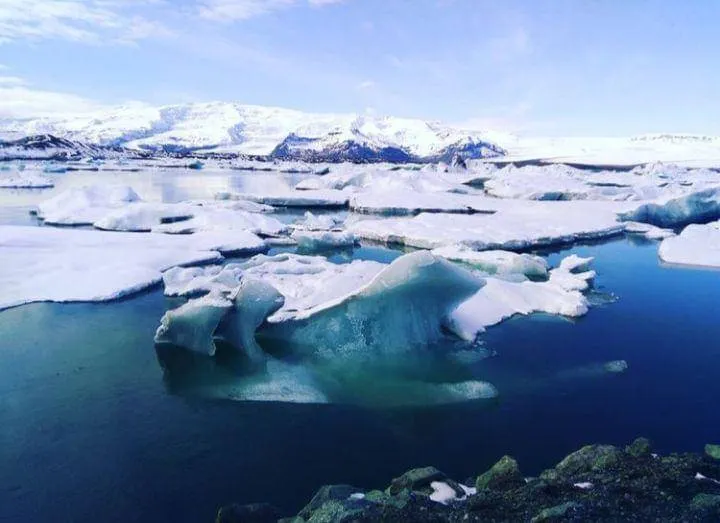
The area around a black colored lake in Iceland is often just as dramatic as the lake itself. Black sand plains, lava fields and moss covered rocks surround the water. In contrast, patches of green vegetation or white snow can create a powerful visual contrast against the dark surface of the lake.
This stark environment attracts photographers and nature enthusiasts who seek unique and surreal landscapes. The lake often reflects nearby mountains, clouds or volcanic ridges, enhancing its mysterious atmosphere.
Wildlife and Ecosystem
Despite its dark appearance, a black colored lake can support life. Microorganisms, algae and small aquatic creatures can survive in these conditions. Birds may also visit the lake to rest or feed, especially during migration seasons.
The ecosystem is usually fragile due to the harsh climate and volcanic soil. Changes in water chemistry or human disturbance can easily affect the balance of life. For this reason, many of these areas are protected or monitored to preserve their natural state.
Cultural and Symbolic Meaning
In Icelandic folklore, dark lakes and volcanic landscapes are often associated with mystery and hidden forces of nature. Stories and legends sometimes describe such places as gateways to unknown worlds or as resting places of ancient spirits. While these stories are symbolic, they reflect the deep respect Icelanders have for their powerful natural environment.
Today, black colored lakes are appreciated for their scientific value and visual beauty rather than fear. They represent the raw and untouched character of Iceland’s wilderness.
Scientific Interest and Research
Scientists study these lakes to understand how volcanic minerals interact with water over time. The chemical composition of the lake can reveal information about nearby volcanic activity and environmental changes. Research on these lakes also helps scientists monitor long term climate patterns and geological stability in Iceland.
Because the lakes are formed naturally and remain relatively und_topicsurbed, they serve as valuable natural laboratories for geological and environmental studies.
A Rare and Striking Natural Sight
The black colored lake in Iceland stands as a powerful reminder of the country’s volcanic origins. Its dark surface, shaped by ash, lava and minerals, creates a scene unlike ordinary lakes found elsewhere in the world. While it may appear mysterious, the lake is a natural result of Earth’s dynamic processes.
For visitors, the lake offers a chance to witness a landscape that feels almost otherworldly. For scientists, it provides insight into the relationship between water and volcanic activity. Together, these perspectives highlight why Iceland remains one of the most fascinating natural destinations on the planet.
