




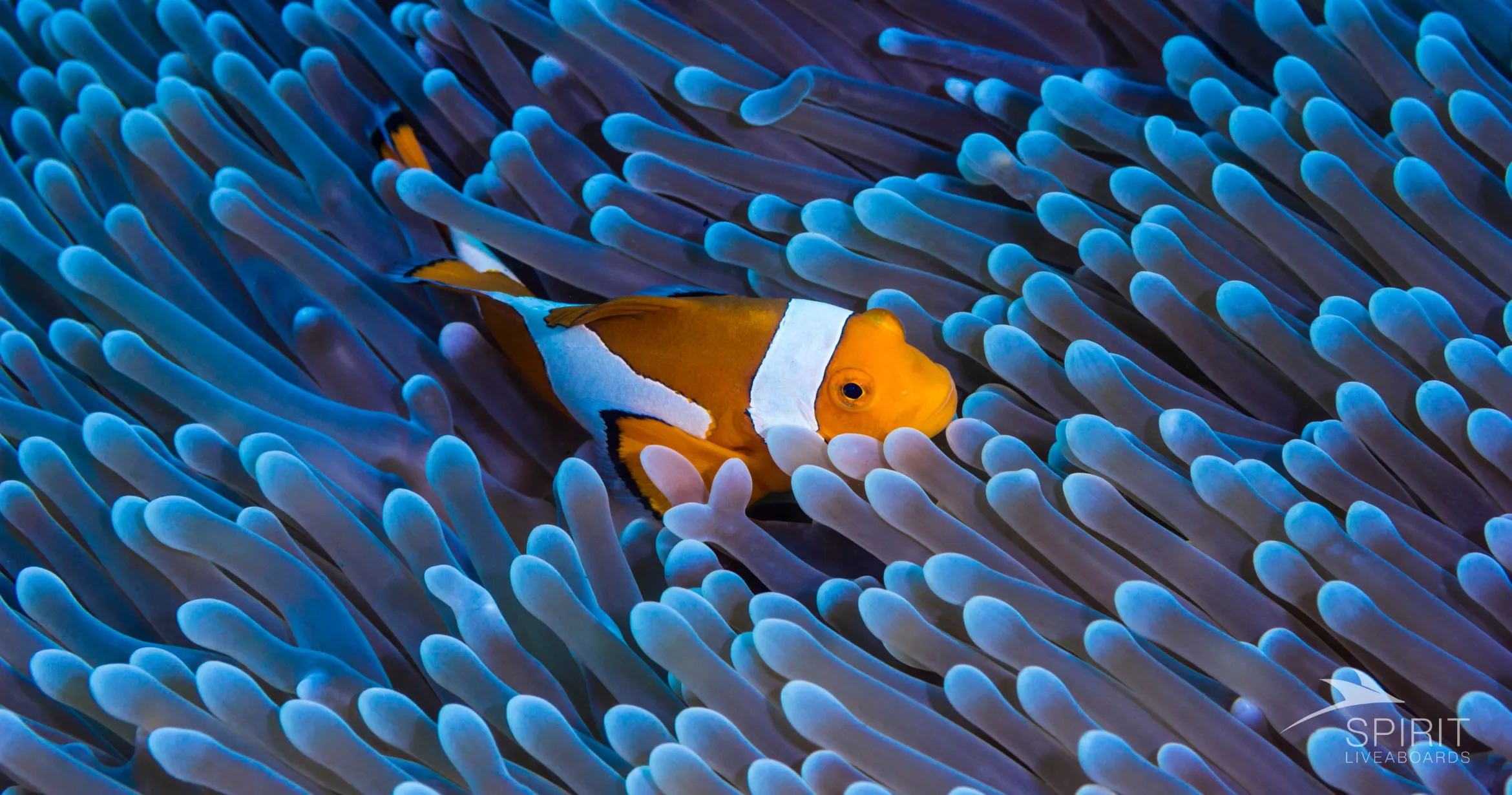
Clownfish are among the most fascinating marine animals in the world, not only because of their bright colors and close relationship with sea anemones, but also because of their extraordinary ability to change sex. This unique biological trait has made clownfish a popular subject in marine biology, education, and wildlife documentaries. Understanding how and why clownfish change sex offers valuable insight into the complexity of life beneath the ocean surface.
Clownfish belong to the genus Amphiprion and live mainly in warm waters of the Indian and Pacific Oceans. They are best known for their orange, white, and black patterns, as well as their symbiotic relationship with sea anemones. The anemone provides protection with its stinging tentacles, while the clownfish helps by cleaning and defending it from predators. However, beyond this mutual partnership lies an even more remarkable adaptation that sets clownfish apart from many other fish species.
Clownfish are protandrous hermaphrodites, which means they are born male and have the ability to become female later in life. This transformation is not random. It follows a strict social structure within their group. A typical clownfish group consists of a dominant female, a breeding male, and several smaller non breeding males. The dominant female is the largest and most aggressive fish in the group, while the breeding male is the second largest.
When the dominant female dies or disappears, a remarkable change occurs. The breeding male begins to transform into a female. This process can take several weeks and involves significant hormonal and physical changes. As the male transitions into a female, one of the smaller males in the group grows larger and becomes the new breeding male. This system ensures that the group can continue reproducing without needing to find a new mate from outside, which is especially important in the dangerous and competitive environment of coral reefs.
The sex change in clownfish is controlled by hormones. When the dominant female is present, she suppresses the sex change of the breeding male through social dominance and behavior. Once she is gone, hormone levels in the breeding male shift dramatically. Male hormones decrease, female hormones increase, and the reproductive organs gradually change to support egg production. This transformation is permanent, meaning a clownfish that becomes female can never change back into a male.
This unique reproductive strategy offers several evolutionary advantages. Living among sea anemones limits the size of the group and the availability of safe habitat. By changing sex instead of searching for new partners, clownfish reduce the risks associated with leaving the protection of the anemone. It also ensures that the largest and strongest individual becomes the egg producing female, which increases the chances of successful reproduction and survival of offspring.
Clownfish reproduction involves careful coordination between the breeding pair. The female lays hundreds of eggs on a flat surface near the anemone, often a rock or coral. The male then fertilizes the eggs and takes responsibility for guarding and cleaning them until they hatch. This high level of parental care further increases the survival rate of the young, making the sex changing system even more effective.
The ability of clownfish to change sex has also attracted scientific interest beyond marine biology. Researchers study this process to better understand hormonal regulation, social behavior, and developmental biology. It also helps scientists learn how environmental and social factors can influence genetic expression and physical development in animals.
In popular culture, clownfish are often portrayed as playful and family oriented fish. While these portrayals are simplified, they have helped raise awareness about marine life and coral reef ecosystems. Learning about the real life biology of clownfish, including their ability to change sex, adds depth to their image and highlights the incredible adaptability of nature.
In conclusion, clownfish are a powerful example of how animals evolve unique strategies to survive and reproduce in challenging environments. Their ability to change sex is not only a biological curiosity but also a highly efficient adaptation shaped by social structure and environmental constraints. By studying clownfish, humans gain a greater appreciation for the complexity of marine ecosystems and the remarkable diversity of life in the ocean.
