Japan is known for its dramatic landscapes, ancient traditions, and natural phenomena that often feel almost otherworldly. Among these wonders is a mountain that appears to glow at night, captivating locals, travelers, and scientists alike. This phenomenon, most commonly associated with active volcanic mountains such as Mount Aso in Kyushu, creates a striking image of a glowing landscape under the night sky and highlights the powerful geological forces shaping Japan.
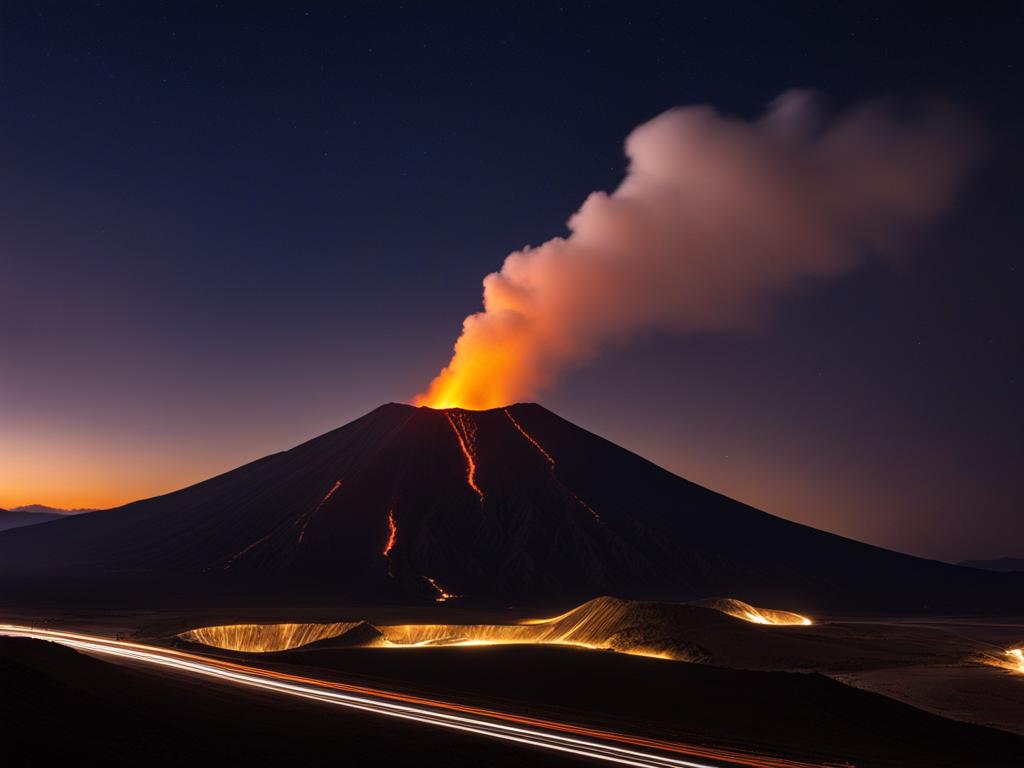
Mount Aso is one of the largest active volcanoes in the world and a prominent example of a mountain in Japan that can glow at night. Located on the island of Kyushu, Mount Aso features a massive caldera and several volcanic peaks. When volcanic activity increases, molten lava and glowing vents can sometimes be seen after sunset, producing an eerie red or orange glow that lights up parts of the mountain. This natural illumination is caused by extremely high temperatures within the crater, where magma and volcanic gases emit visible light in the darkness.
The glowing appearance of the mountain is closely tied to volcanic processes. Lava contains minerals that emit light when heated to high temperatures. At night, when there is no sunlight to overpower the view, this glow becomes more visible from a distance. In some cases, the glow is accompanied by steam clouds that reflect the light, making the mountain appear even more dramatic and alive.
This nighttime glow has long been part of local folklore and cultural storytelling. In the past, people living near volcanic mountains believed the glow was a sign of powerful spirits or gods residing within the earth. These beliefs contributed to the spiritual importance of mountains in Japanese culture, where volcanoes are often seen as both dangerous and sacred. Shrines and rituals developed around these landscapes as a way to show respect and seek protection from natural forces.
Beyond its cultural significance, the glowing mountain plays an important role in scientific research. Volcanologists closely monitor glowing craters to study magma movement and gas emissions. Changes in brightness, color, or frequency of the glow can provide valuable clues about potential eruptions. This research helps improve early warning systems and protect nearby communities from volcanic hazards.
Tourism is another aspect influenced by this phenomenon. While access to active volcanic areas is strictly regulated for safety reasons, designated observation points allow visitors to witness the glow from a safe distance. Seeing a mountain glow at night is a rare and unforgettable experience, drawing photographers and nature enthusiasts from around the world. The contrast between the dark sky and the illuminated earth creates scenes that feel almost surreal.
However, the glowing beauty of these mountains comes with risks. Active volcanoes can release toxic gases, ash, and lava flows without much warning. For this reason, authorities in Japan maintain strict monitoring systems and clear evacuation plans. Visitors are encouraged to follow all safety guidelines and respect restricted zones around volcanic sites.
Climate and weather conditions also influence visibility. Clear nights with low cloud cover offer the best chance to see the glow. Wind direction can affect how volcanic gases spread, sometimes enhancing or obscuring the light. As a result, the glowing mountain is not a guaranteed sight but a rare moment when nature reveals its inner energy.
In conclusion, the mountain that glows at night in Japan represents a powerful combination of natural beauty, geological activity, and cultural meaning. Whether viewed as a scientific marvel or a spiritual symbol, the glowing mountain reminds us that the Earth is constantly alive and changing beneath our feet. It stands as one of Japan’s most striking natural spectacles, showcasing the raw and luminous power of nature after dark.
