




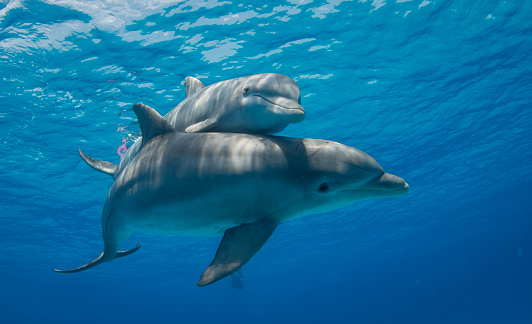
Dolphins are often described as animals that never fully sleep due to their unique adaptation called unihemispheric slow-wave sleep. Unlike humans and most animals that shut down completely during sleep, dolphins keep half their brain awake at all times. This allows them to remain alert, watch for predators, surface for air, and even swim continuously essentially “living without traditional sleep.”
How Do Dolphins “Sleep” Without Fully Sleeping?
Dolphins practice unihemispheric sleep: one hemisphere of the brain shows slow-wave sleep patterns while the other remains active. They typically close one eye (the opposite to the sleeping hemisphere) and keep the other open for vigilance.
Every few hours, they switch sides, ensuring both brain halves get rest over a 24-hour period totaling about 8 hours of sleep per day, but never all at once. This is crucial because dolphins are voluntary breathers; they must consciously decide to breathe and surface regularly.
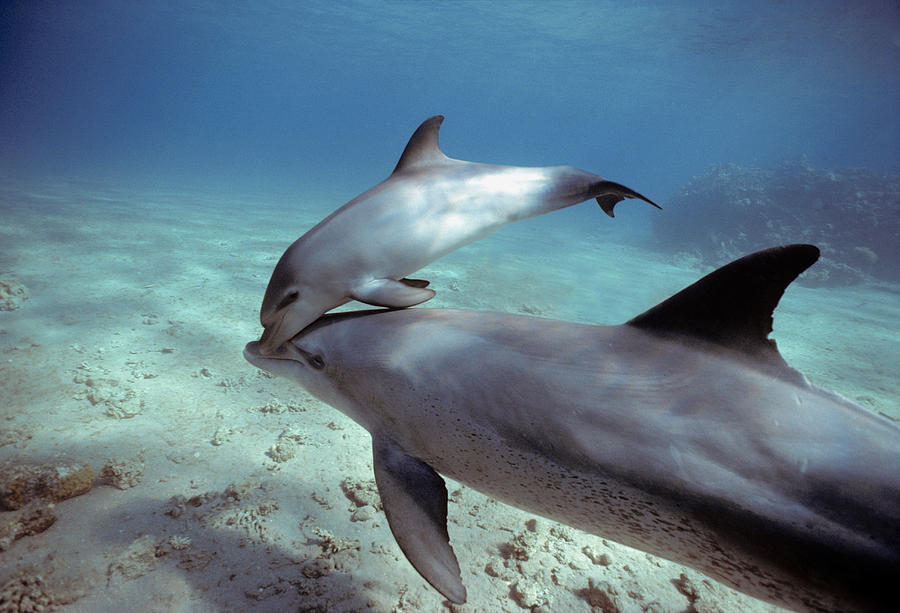
Special Care for Newborn Calves
Mother dolphins and their calves exhibit almost no sleep in the first month after birth. They swim constantly to avoid predators and build strength, with mothers staying hyper-vigilant. This “no sleep” phase is one of the most extreme examples in nature, yet both survive without apparent long-term harm.
Dolphin Species and Habitat
Common species like the bottlenose dolphin (Tursiops truncatus) are well-studied for this trait, but all cetaceans (dolphins, whales, porpoises) share unihemispheric sleep. They live in oceans worldwide, often in social pods that coordinate rest and movement.
Fun Facts About Dolphin Sleep
- They can rest while swimming slowly or floating near the surface.
- Eye closure indicates which brain half is “asleep.”
- Similar adaptations exist in some birds and seals for migration or safety.
- No REM sleep observed in dolphins possibly unnecessary or very brief.
If you’re amazed by animals that don’t sleep like humans or marine mammals with unique adaptations, dolphins prove that life can thrive without ever fully shutting down. Nature’s ultimate multitaskers!
