



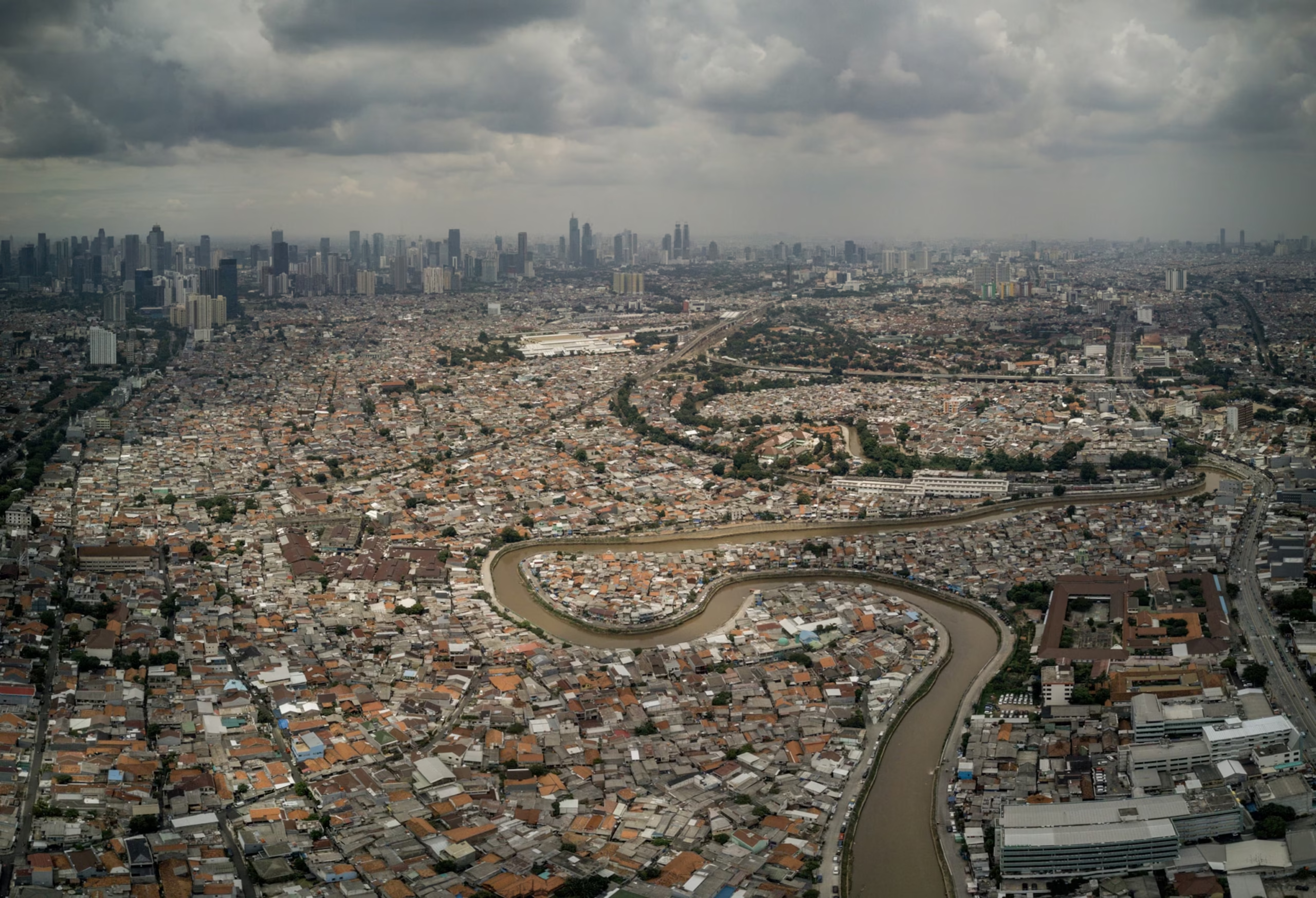
Jakarta, Indonesia’s bustling capital and home to over 10 million people, is famously known as one of the world’s fastest-sinking cities. Parts of the megacity are subsiding at alarming rates, with some areas already below sea level. This ongoing crisis threatens infrastructure, homes, and livelihoods but recent efforts show signs of slowing the sink.
Why Is Jakarta Sinking?
The primary cause is excessive groundwater extraction. With limited piped water supply, residents, industries, and businesses rely heavily on deep wells, depleting aquifers and causing the soft, swampy soil to compact and sink.
- Other factors: Heavy urban development, natural soil compression, and rising sea levels from climate change.
- Current rates: In 2025, subsidence varies from 5-10 cm per year on average, with North Jakarta areas up to 10-30 cm annually. Recent reports indicate the overall rate has slowed due to regulations and better water management.
- Impact: About 40% of the city is now below sea level, leading to chronic tidal flooding (known as “rob”) and damaged buildings.
Stunning aerial views of flooding and subsidence in Jakarta:
Cracked buildings and sinking neighborhoods in North Jakarta:
Efforts to Save Jakarta
- Giant Sea Wall Project: A massive Garuda-shaped seawall and artificial islands planned for Jakarta Bay to protect against floods, though progress has been slow and controversial.
- Regulations: Bans on groundwater extraction in key areas and improved piped water access have helped slow subsidence.
Visuals of the sea wall concepts and construction plans:
The Bold Solution: Moving the Capital to Nusantara
To relieve pressure on Jakarta and redistribute growth, Indonesia is building a new capital, Nusantara, in East Kalimantan on Borneo Island.
- Designed as a sustainable “forest city” with green spaces and modern infrastructure.
- Progress: Construction is ongoing, with government functions gradually shifting. Jakarta remains the economic hub.
Construction views of the new capital Nusantara:
What’s Next for Jakarta?
Without continued action, projections warn that large parts could be uninhabitable by 2050. But with slowing subsidence rates and the capital relocation easing population strain, there’s hope for this vibrant city to adapt.
Jakarta’s story is a wake-up call on urban planning, water management, and climate resilience. Fascinated by sinking cities or mega-projects like Nusantara? What other urban wonders or challenges interest you?
