
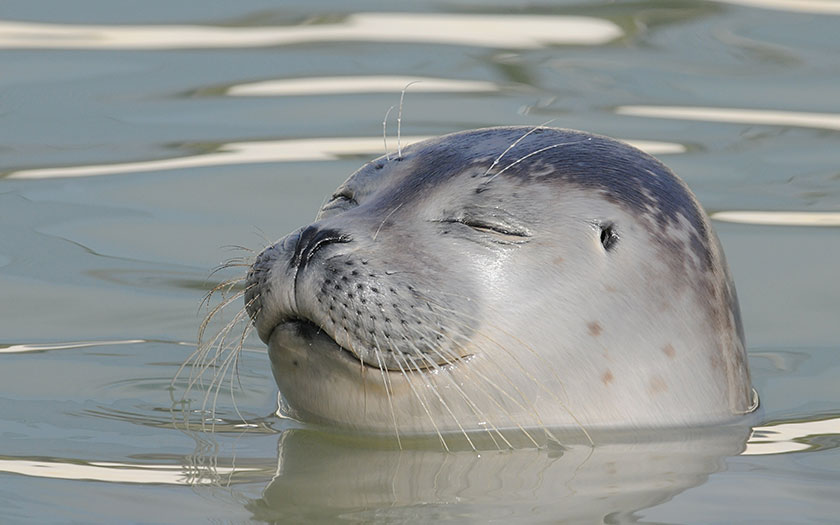
Seals are among the most adaptable marine mammals, known for their unique ability to sleep while floating in water. This remarkable behavior allows them to rest safely in their ocean environment while staying alert to potential threats. Whether it’s the playful harbor seal or the massive elephant seal, these animals have evolved clever ways to catch some Z’s without sinking or becoming easy prey.
How Do Seals Sleep While Floating?
Seals often sleep in a position called “bottling”, where they float vertically or horizontally at the surface like a bobbing bottle. Their head (and nostrils) remain above water for easy breathing, while the rest of their body is submerged. This posture lets them relax without actively swimming, conserving energy during long periods at sea.
- In bottling, seals can hold their breath longer than when hunting, as they’re not exerting effort.
- Common in species like harbor seals and gray seals, this floating sleep helps them rest near the surface.
Some seals, especially true seals (phocids) like elephant seals, take deeper naps. They dive hundreds of meters, enter slow-wave sleep while gliding down, and even experience REM sleep—drifting in “sleep spirals” like a falling leaf. On land, they catch up with over 10 hours of sleep per day!
Why Do Seals Sleep Floating in Water?
Floating sleep is an evolutionary adaptation for life in the ocean:
- Avoiding Predators: Surface floating or deep diving keeps them away from sharks and orcas.
- Breathing Needs: As air-breathing mammals, they must surface periodically—bottling allows quick breaths without full wakefulness.
- Energy Conservation: Seals spend months at sea foraging; short floating naps (10-30 minutes) add up to essential rest.
Unlike dolphins or fur seals that use unihemispheric sleep (one brain half awake), many true seals fully shut down both hemispheres, making floating or diving sleep crucial.
Fun Facts About Seal Sleeping Habits
- Elephant seals sleep only 2 hours per day at sea but over 10 hours on beaches.
- Harbor seals prefer bottling in calm waters, often in groups for safety.
- Seals can sleep both on land and in water, switching based on safety and pup-rearing needs.
Seals’ ability to sleep while floating showcases nature’s ingenuity. Next time you spot a seal bobbing peacefully, know it’s mastering the art of ocean rest!
For more on marine life, explore other animals that sleep in unique ways, like dolphins or sea otters. If you’re fascinated by seals, share this with fellow wildlife enthusiasts!
