

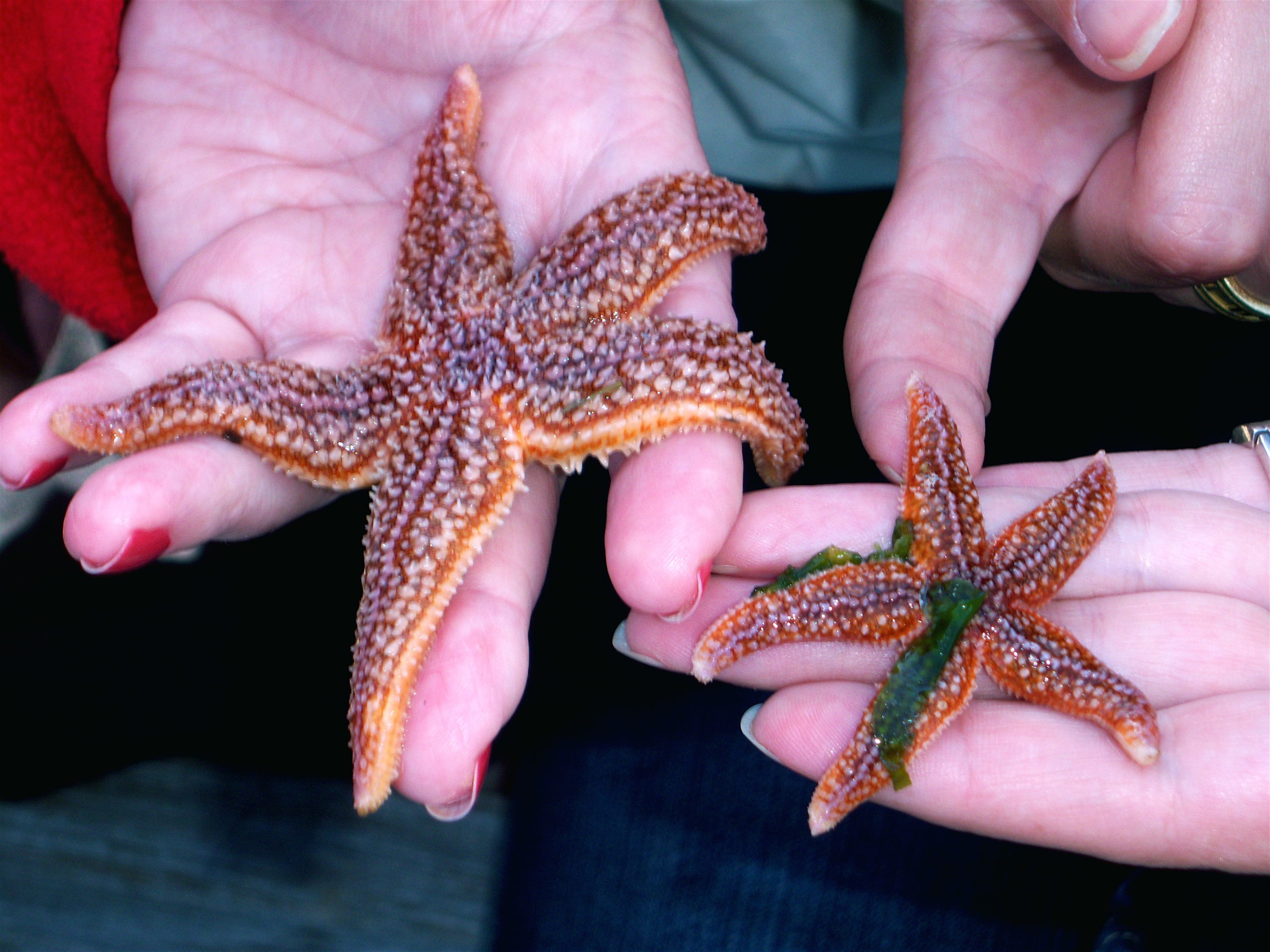
Starfish (also known as sea stars) are masters of regeneration, capable of intentionally shedding an arm to escape predators and then regrowing it completely. This process, called autotomy, allows them to “leave” a body part behind as a distraction while the rest of the animal flees to safety. Not only do they regrow the lost limb, but in many species, the severed arm can regenerate an entire new starfish!
How Do Starfish Shed and Regrow Arms?
Starfish use autotomy as a defense mechanism:
- When threatened (e.g., by a predator grabbing an arm), special muscles contract to sever the arm at a predetermined break point.
- The detached arm wiggles to distract the predator, giving the starfish time to escape.
- Regeneration begins almost immediately: A small blastema (growth zone) forms at the wound site, and new tissue grows over weeks to months.
Most species can regrow a lost arm in 6-12 months, depending on size, species, and conditions. Remarkably, if the severed arm contains part of the central disc, it can regenerate a whole new body creating a clone!
Why Is This Ability So Amazing?
This extreme regeneration showcases starfish biology:
- Decentralized nervous system: No brain nerves run through each arm, allowing independent function.
- Stem cell-like capabilities: Cells dedifferentiate and multiply to rebuild complex structures like tube feet, spines, and internal organs.
- Common in species like the common sea star (Asterias rubens) and sunflower sea star.
Close-ups reveal the intricate tube feet on their arms, used for movement and feeding.
Fun Facts About Starfish Regeneration
- Some species can regrow from just one arm if it includes enough central tissue.
- They typically have 5 arms, but some like sunflower stars have up to 24 all regenerable!
- Regeneration costs energy, so frequent losses can weaken them.
Starfish demonstrate nature’s ultimate survival trick: voluntarily leaving a body part behind and coming back stronger. A true wonder of the ocean!
