
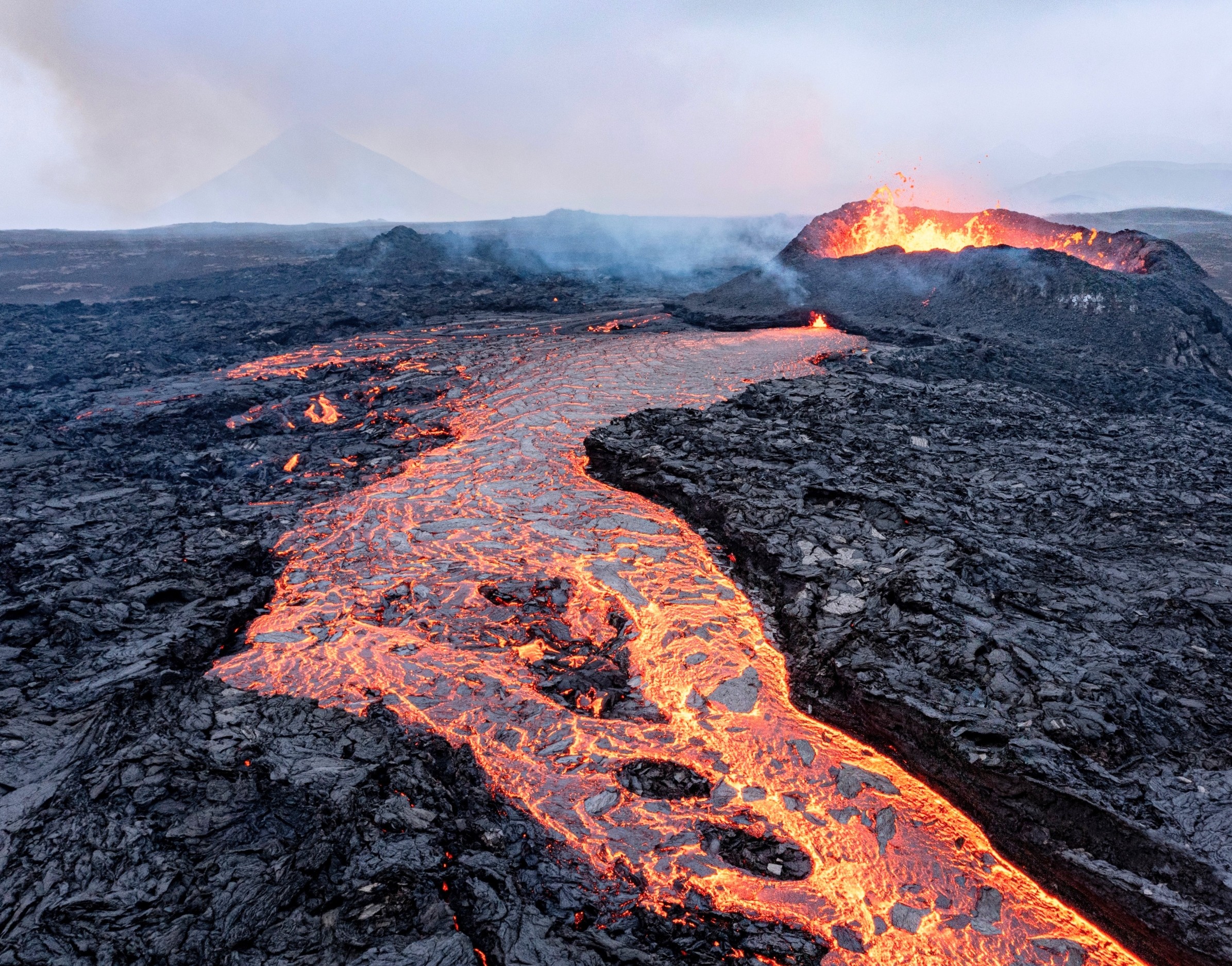
Discover the hidden world of extremophile microbes in volcanic rock, where life persists in what seems like barren, cooled lava flows. Often referred to as endoliths or cryptoendoliths, these resilient microorganisms colonize the pores, cracks, and vesicles inside solidified volcanic rocks—environments once molten but now “cold” relative to active magma. From Hawaiian basalt to Antarctic volcanoes, these tiny pioneers reveal how life can emerge in extreme, nutrient-poor settings.

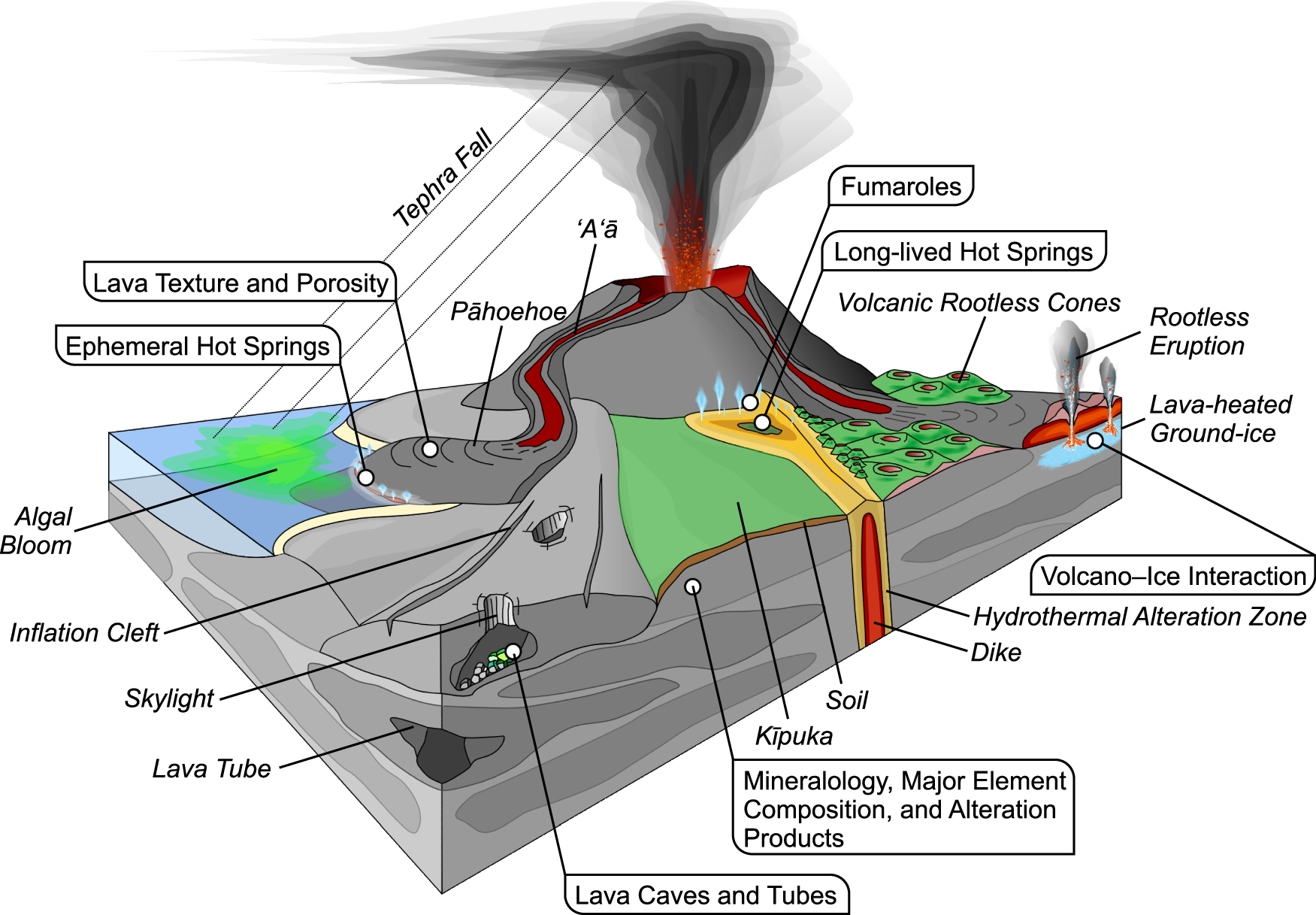
What Are Extremophiles in Cold Volcanic Rock?
Extremophile microbes are organisms that thrive in conditions deadly to most life. In cooled lava (basaltic or volcanic rock), they include bacteria, archaea, fungi, and even lichens living as endoliths—inside the rock itself.
- Cryptoendoliths: Inhabit structural cavities and pores.
- Chasmoendoliths: Colonize cracks and fissures.
- Euendoliths: Actively bore into the rock, etching tunnels.
These microbes rapidly colonize fresh lava after it cools, using chemical energy from minerals like iron and sulfur (chemolithotrophy) rather than sunlight. They form biofilms and mats, weathering the rock and kickstarting soil formation.

How Do They Survive in Harsh Volcanic Environments?
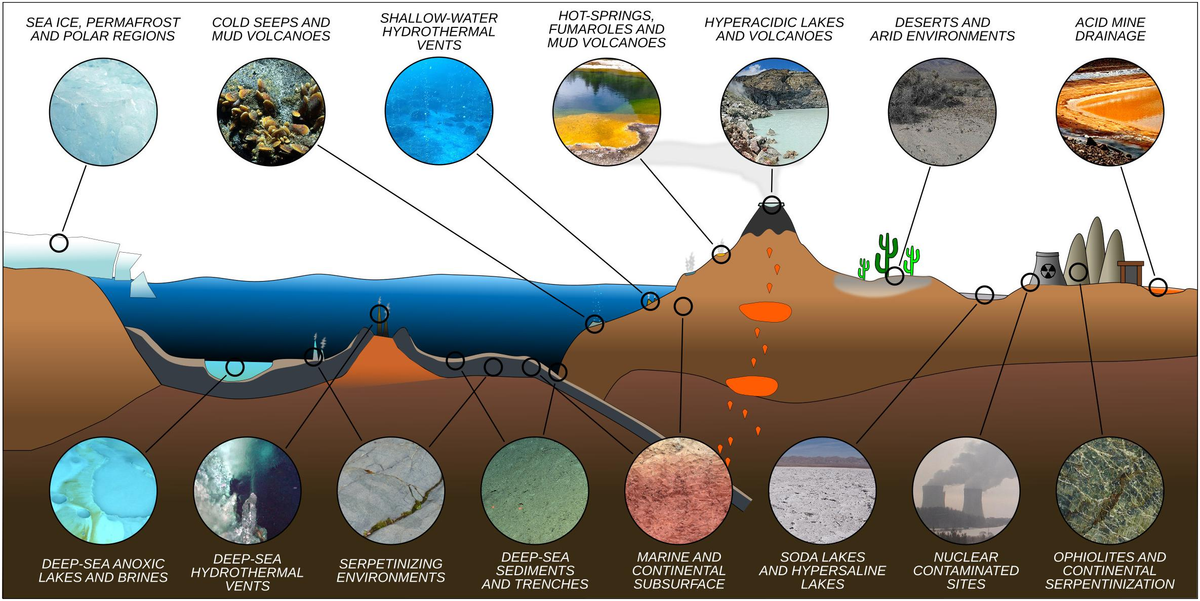
Volcanic rocks offer protection from UV radiation, desiccation, and temperature swings while providing moisture and minerals. Key adaptations:
- Chemosynthesis: Oxidize iron, sulfur, or CO for energy.
- Rock Weathering: Excrete acids to dissolve minerals for nutrients.
- Biofilm Formation: Create protective layers on or in rock surfaces.
- Slow Metabolism: Some grow extremely slowly in deep subsurface rocks.
Examples include microbes in Hawaiian lava tubes, Icelandic fresh flows (like Fímmvörðuháls), and Antarctic Deception Island volcanic rocks polyextremophiles tolerating cold, acidity, and low nutrients.
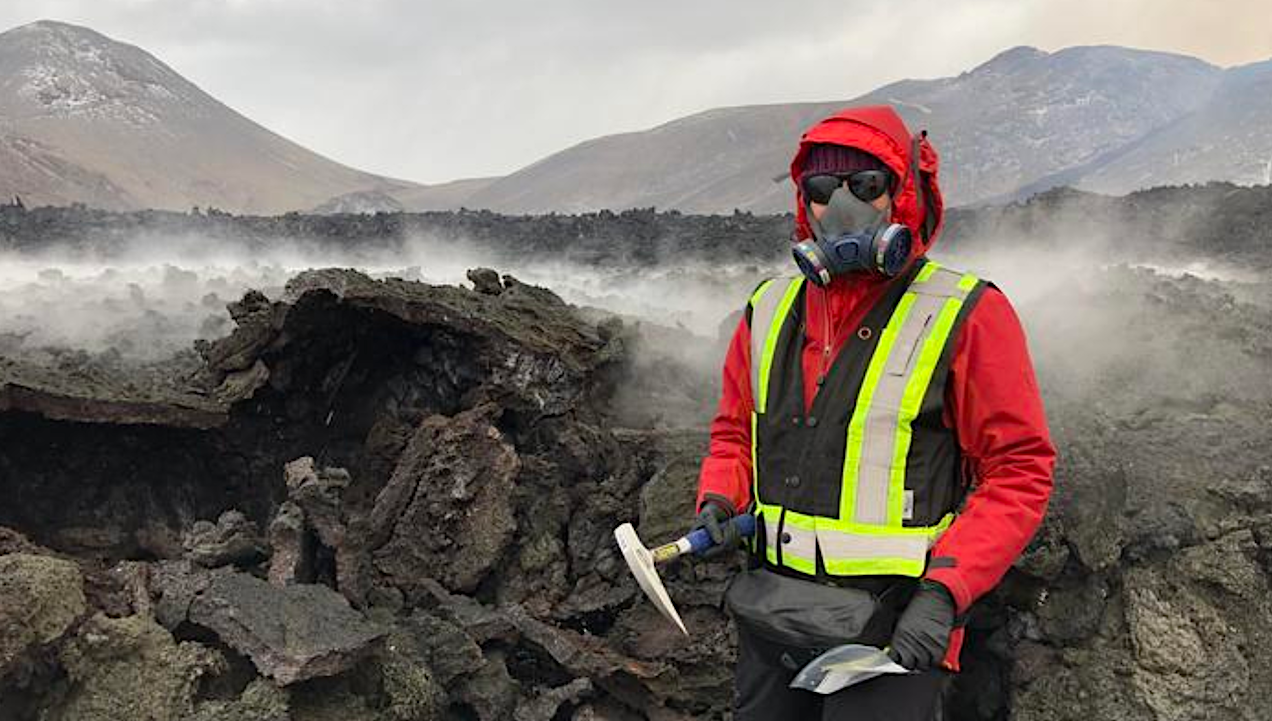
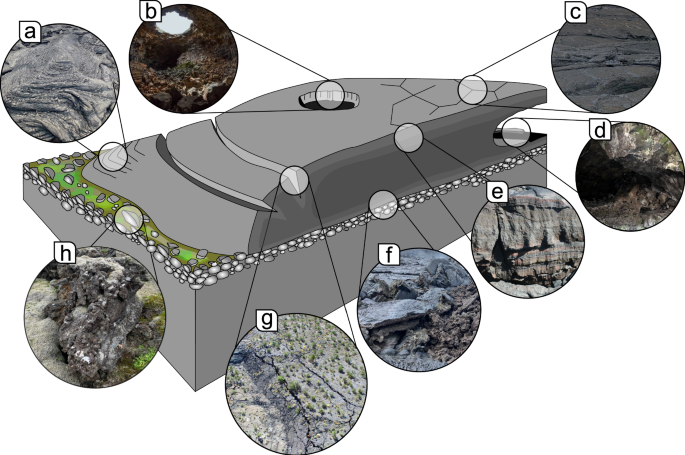
Notable Examples of Microbial Life in Volcanic Rocks
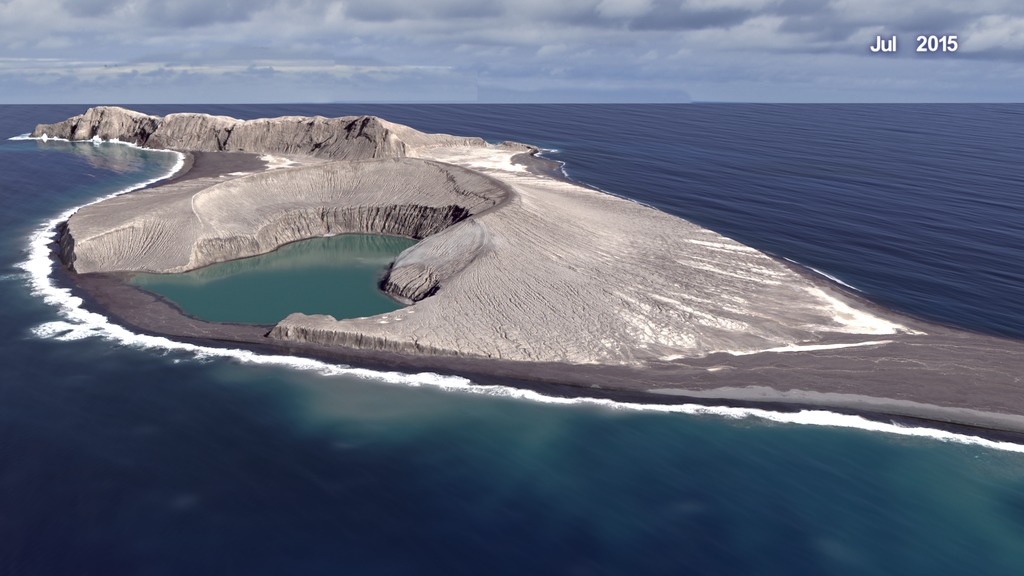
- Hawaiian Lava Flows: Pioneer bacteria colonize new basalt, forming colorful mats (white, yellow, gold) rich in Epsilonproteobacteria.
- Icelandic Lava: Rapid colonization of 2010 Eyjafjallajökull flows by fungi and bacteria.
- Antarctic Endoliths: Cyanobacteria and lichens in porous sandstone and volcanic rocks, surviving extreme cold and dryness.
- Deep Subsurface: Microbes tunneling through oceanic basalt hundreds of meters below the seafloor.
Recent studies (2024-2025) show microbes rebuilding ecosystems on fresh lava, offering clues to early Earth life.

From the volcanic crater to the lab: Extremophiles offer a lesson …
Implications for Astrobiology and Mars
These extremophiles in volcanic rock mirror potential life on Mars, where ancient lava tubes and basalt dominate. Protected subsurface niches could harbor similar microbes today. Studying them helps search for extraterrestrial life and understand Earth’s origins.
