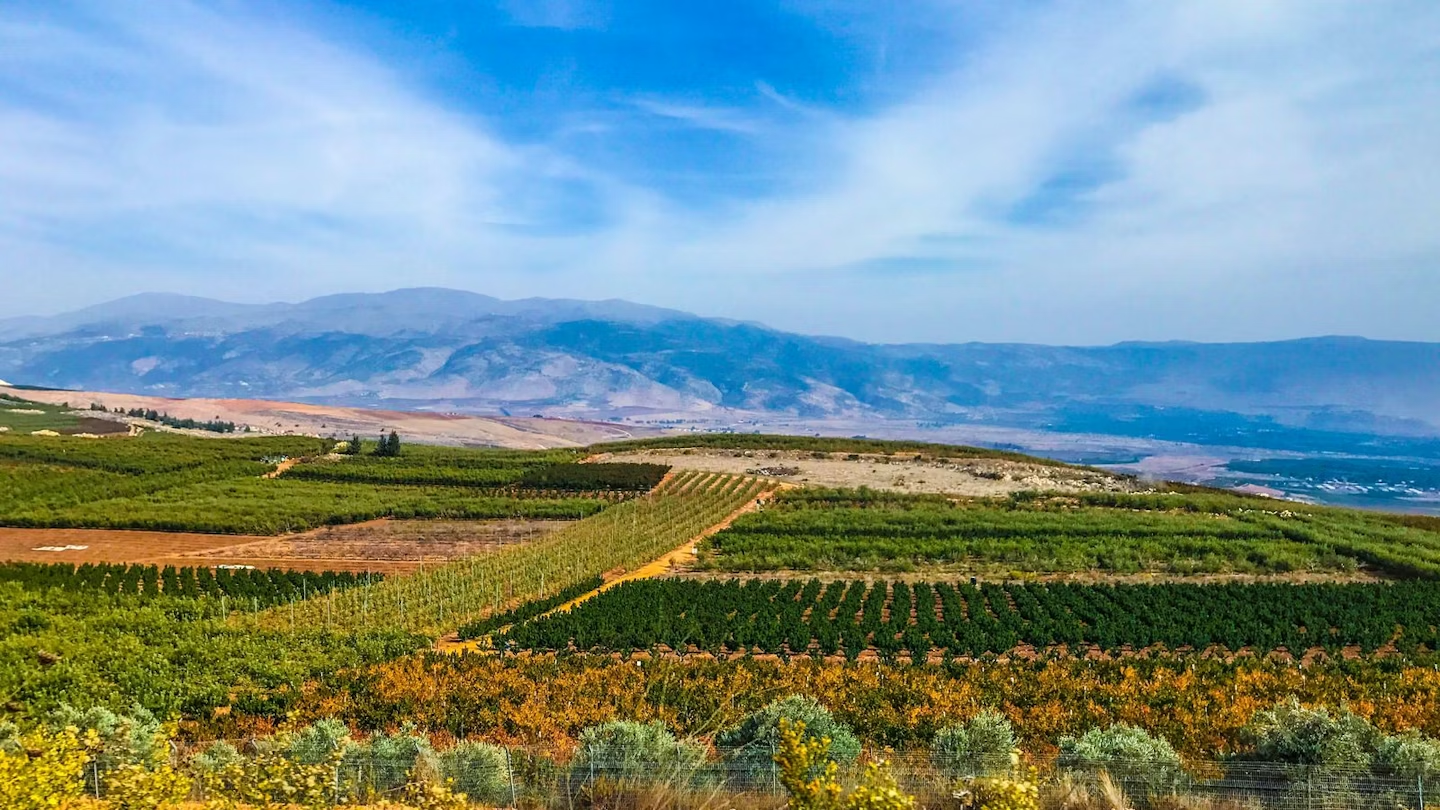



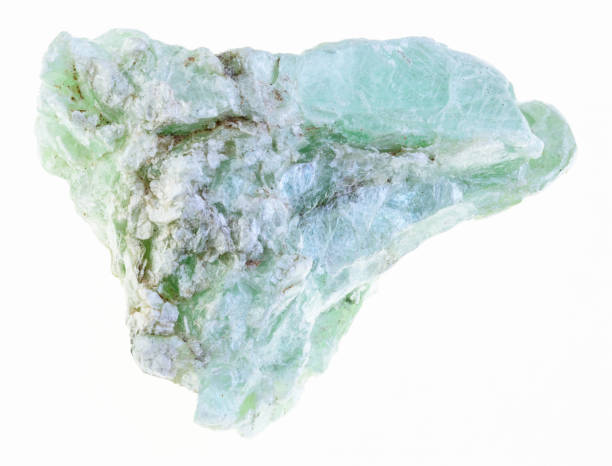
Discover the fascinating world of mountains made of soapstone, a unique soft rock with pale green color that feels silky to the touch. Also known as steatite, soapstone is a metamorphic rock primarily composed of talc, giving it an incredibly soft texture you can scratch it with your fingernail! Its signature pale green hue comes from minerals like chlorite, creating serene, earthy landscapes that blend rugged mountains with a soothing, velvety appearance.

What Makes Soapstone a Soft Rock with Pale Green Color?
Soapstone forms through intense heat and pressure in subduction zones, transforming magnesium-rich rocks into a talc-dominant stone. Its softness (Mohs hardness of 1-2) and pale green color result from high talc content mixed with chlorite, micas, and other minerals. Unlike hard granite mountains, soapstone erodes smoothly, forming gentle slopes and outcrops that shimmer subtly in sunlight.
This soft rock resists heat exceptionally well and feels “soapy,” hence the name. Colors range from gray to bluish, but the pale green varieties often called green soapstone are the most visually striking, evoking tranquil forests on mountain slopes.
Famous Soapstone Mountains and Formations
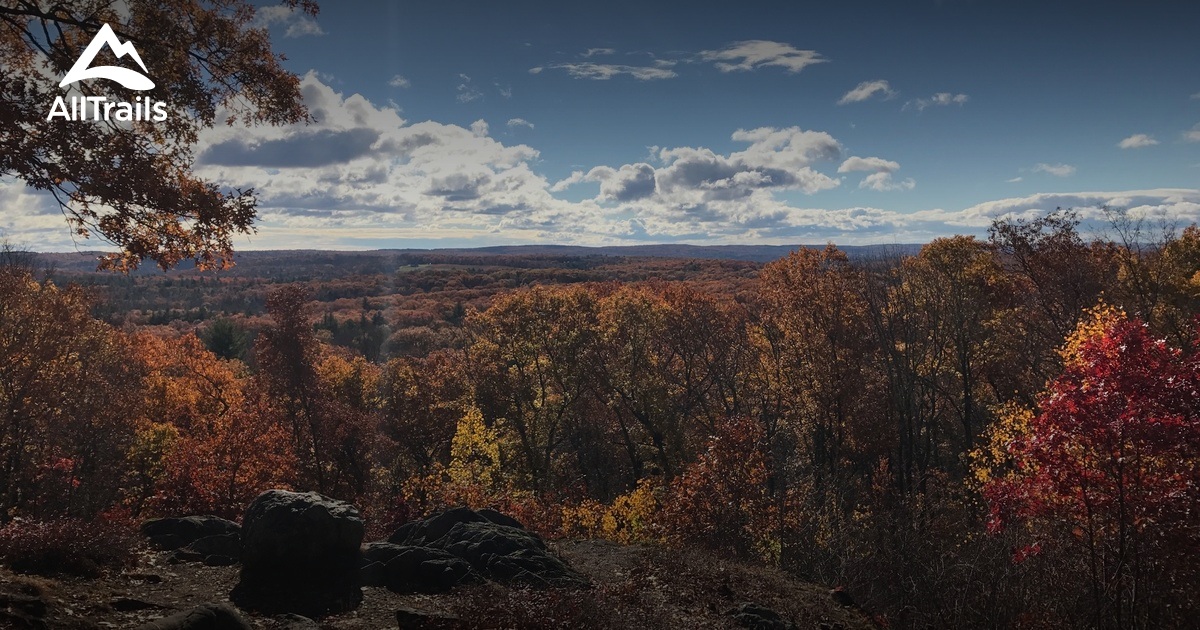
- Soapstone Mountain, Connecticut (USA): A popular hiking spot in Shenipsit State Forest with panoramic views. The pale green outcrops and soft rock make trails unique and easy to navigate.
- Blue Ridge Mountains, Virginia (USA): Home to historic quarries like Alberene, though often gray, nearby formations include pale green varieties along the Appalachian chain.
- Andes Mountains, Peru: Ancient soapstone deposits with pale green hues used by indigenous cultures for carvings.
- Finnish and Norwegian Soapstone Ridges: Green-tinged formations in Scandinavia, quarried for centuries.
- Corcovado Mountain, Brazil: The iconic Christ the Redeemer statue is faced with soapstone from local pale green quarries.
Why Visit or Admire Soapstone Mountains?
These mountains made of soapstone offer gentle hikes, stunning photo opportunities, and a tactile experience—run your hand over the smooth, pale green surfaces! The soft rock weathers into intriguing shapes, and quarries reveal massive blocks used for countertops, sculptures, and fireplaces. Historically, soapstone from these mountains crafted tools, art, and even the famous Brazilian landmarks.
Conservation is key, as quarrying impacts these delicate formations, but many areas are protected parks.
If you’re searching for soft rock with pale green color, soapstone mountains, or unique geological wonders, these velvety green peaks prove nature’s artistry in the gentlest stone. A hidden gem for hikers, geologists, and design lovers alike!
