


The Hawaiian Islands are among the most geologically fascinating places on Earth. Unlike continental islands, Hawaii was built entirely from volcanic lava rising from the ocean floor.
Over millions of years, repeated eruptions created islands formed layer by layer from molten rock.
How Hawaii Was Created
Hawaii sits above a volcanic hotspot deep within Earth’s mantle. As tectonic plates move, magma rises and erupts, forming underwater volcanoes that eventually break the ocean surface.
Each island represents a different stage of volcanic life.
Types of Lava That Built the Islands
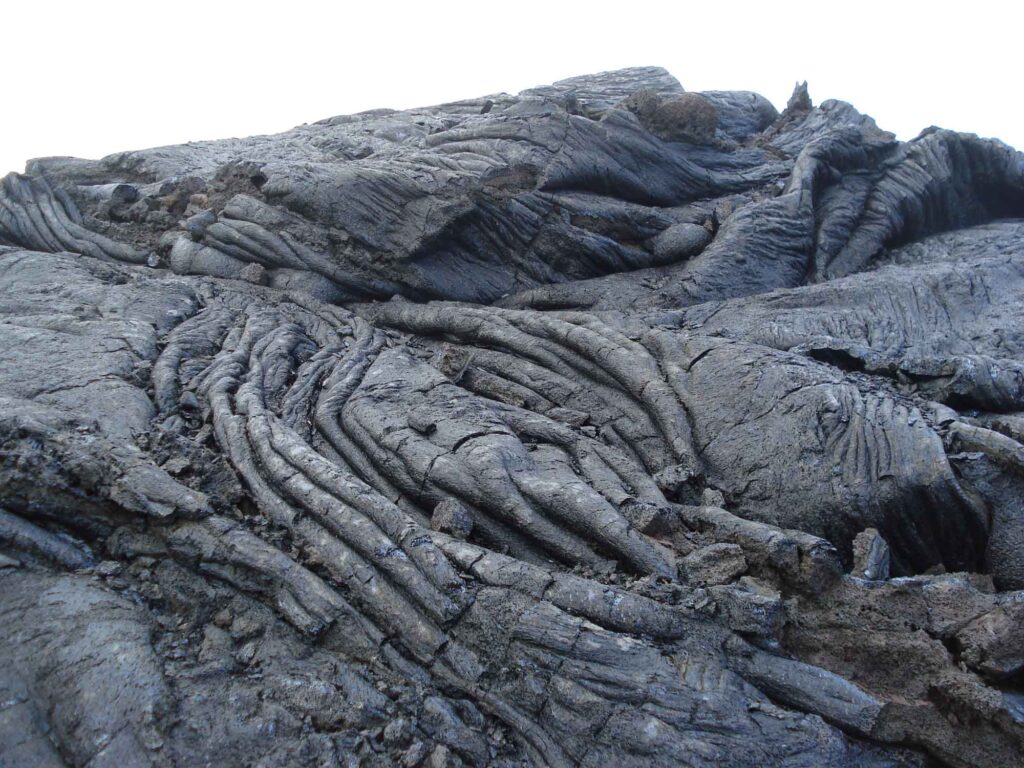
Hawaiian volcanoes primarily produce basaltic lava, which is:
- Low in silica
- Highly fluid
- Capable of flowing long distances
This type of lava creates broad shield volcanoes rather than steep cones.
Famous Volcanic Landscapes
Some iconic features include:
- Mauna Loa, one of the largest volcanoes on Earth
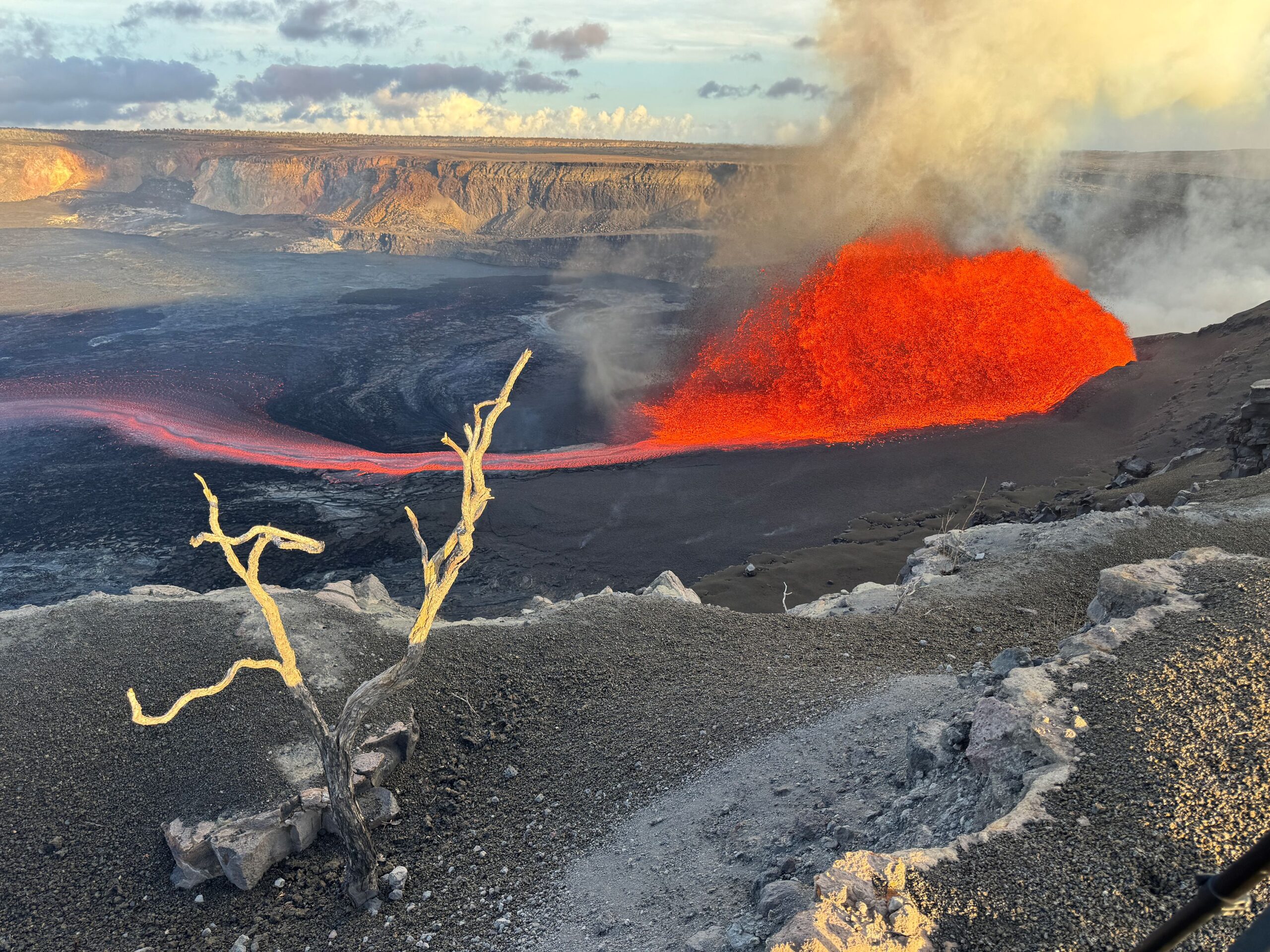
- Kilauea, one of the most active volcanoes in the world
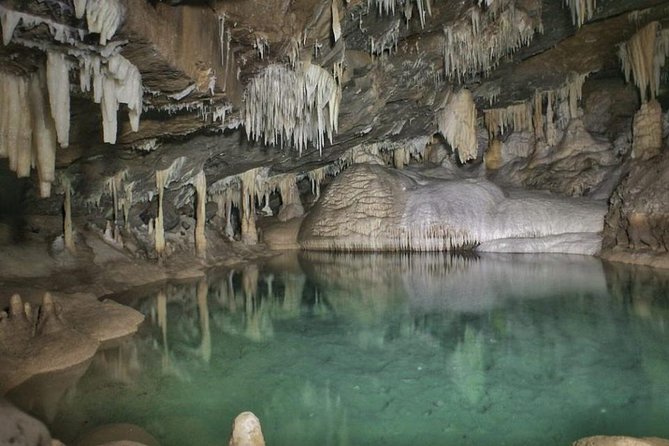
- Lava tubes formed by flowing molten rock
These landscapes continue to change with each eruption.
Impact on Ecosystems
Fresh lava appears lifeless, but over time it becomes fertile ground. Wind, rain, and organic matter slowly create soil, allowing plants to grow.
Hawaii’s ecosystems evolved in isolation, resulting in a high number of endemic species found nowhere else.
Cultural Significance of Volcanoes
In Hawaiian culture, volcanoes are deeply spiritual. Pele, the goddess of fire and volcanoes, is believed to reside in Kilauea.
Volcanic activity is seen not as destruction, but as creation.
Ongoing Geological Activity
Hawaii is still growing. New land continues to form as lava flows into the sea, expanding coastlines and reshaping the islands.
Hawaii’s islands are living proof that beauty can arise from fire. Built entirely from lava, they stand as monuments to Earth’s powerful geological forces.
