
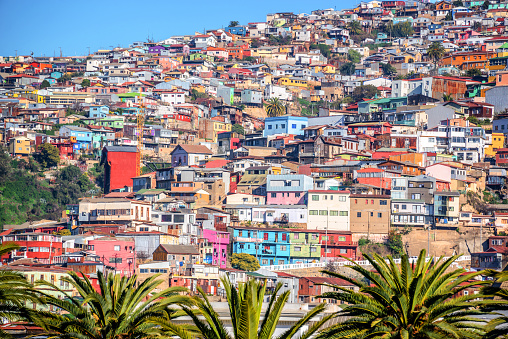
Valparaíso, Chile’s vibrant port city, dazzles with its rainbow-painted hillside homes cascading toward the Pacific Ocean. Nicknamed “Valpo,” this UNESCO World Heritage site blends bohemian charm, street art, and maritime history into a colorful urban tapestry. Perched on 42 hills, its steep streets, historic funiculars, and eclectic architecture make it a must-visit for travelers seeking culture and views. Uncover the city’s origins, artistic soul, landmarks, and modern vibe in this comprehensive guide.
Historical Roots From Port Hub to Cultural Gem
Founded in 1536 by Spanish conquistador Pedro de Valdivia, Valparaíso grew as a key Pacific stopover during the California Gold Rush. By the 19th century, it was Chile’s main port, attracting European immigrants who built Victorian mansions on hills like Cerro Alegre and Cerro Concepción.
The 1906 earthquake devastated the city, but rebuilding infused it with color. Sailors painted homes with leftover ship paint, creating the iconic rainbow palette. The Panama Canal’s 1914 opening diminished its trade role, but Valparaíso reinvented as a cultural haven.
The Hillside Homes A Canvas of Color
Valparaíso’s cerros (hills) host thousands of brightly painted houses, crammed along winding alleys. Colors range from electric blues to sunny yellows, reflecting residents’ creativity. Many are corrugated iron-clad, a nod to 19th-century shipping materials.
Cerro Alegre’s Victorian gems feature ornate balconies overlooking the bay. Cerro Bellavista boasts open-air museums with murals by artists like Inti Castro. These homes, often on stilts against earthquakes, create a “hillside mosaic” of chaos and charm.
Iconic Funiculars and Street Art Scene
Fifteen historic ascensores (funiculars) ferry visitors up steep inclines, like Ascensor Artillería offering panoramic views. These 19th-century relics are engineering marvels and UNESCO treasures.
Street art exploded post-1973 dictatorship, with murals covering walls as political expression. Today, Valpo is a global graffiti capital, hosting festivals and tours. Pablo Neruda’s home, La Sebastiana, on Cerro Florida, inspires with ocean vistas and eclectic decor.
Cultural and Culinary Delights
The city’s bohemian vibe thrives in cafes, galleries, and markets. Savor chorillana (fries topped with beef, eggs, and onions) or fresh seafood at Mercado Cardonal. Festivals like the colorful Carnaval Mil Tambores blend music and dance.
Museums like the Maritime Museum chronicle naval history, while the Open-Air Museum on Cerro Bellavista features 20 murals. Nightlife pulses in bars with live salsa, overlooking twinkling lights.
Modern Challenges and Sustainability
Earthquakes remain a threat; the 2010 quake damaged heritage sites, but resilient rebuilding continues. Tourism booms, but overtourism strains infrastructure. Initiatives promote eco-friendly practices, like solar-powered homes and waste reduction.
Gentrification risks displacing locals, yet community art projects foster inclusion. Valparaíso’s port revival through cruises boosts economy sustainably.
Exploring Valparaíso: Tips for Visitors
Wander cerros on foot or via funiculars wear comfy shoes for stairs. Join street art tours for hidden gems. Visit in summer (December–March) for festivals, but pack layers for foggy winters.
Nearby Viña del Mar offers beaches, contrasting Valpo’s grit. Safety: Stick to tourist areas; petty theft occurs, but the city is generally welcoming.
Valparaíso’s rainbow hills symbolize Chile’s vibrant spirit resilient, artistic, and ever-evolving. Whether admiring murals or gazing at the Pacific, this seaside city enchants, leaving visitors with colorful memories. Plan your trip to this hillside haven and discover why it’s called the “Jewel of the Pacific.”
