


The Gobi Desert in Mongolia transforms into a surreal snowy expanse during winter, challenging the stereotype of deserts as hot, sandy wastelands. As a cold desert, it experiences freezing temperatures and snowfall, creating a landscape of frosted dunes and icy valleys. This comprehensive guide explores its unique climate, wildlife, cultural significance, and travel tips, revealing why it’s a must-visit for adventurers.
Climate Dynamics: From Scorching Summers to Snowy Winters
Spanning 1.3 million square kilometers across Mongolia and China, the Gobi is Asia’s largest desert and the world’s fifth-largest. Classified as a cold desert due to its northern latitude and elevation (910-1,520 meters), it endures extreme swings: summers hit 45°C, winters plummet to -40°C. Annual precipitation averages 194 mm, mostly as winter snow blown from Siberian steppes.
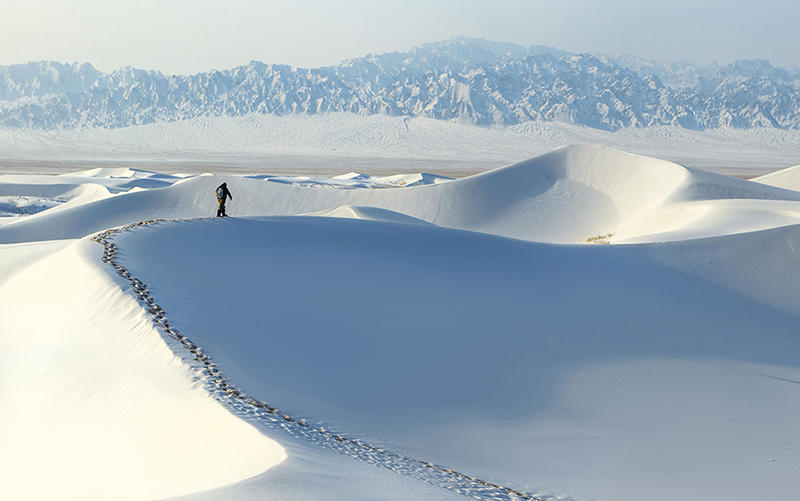
Snow blankets dunes from November to March, sometimes persisting into summer in shaded areas. This creates “desert snow” phenomena, where frost covers vast plains, sustaining sparse vegetation. Temperature fluctuations of 30-40°C in a day demand resilient adaptations from flora and fauna. The Himalayas block southern moisture, making the Gobi a rain-shadow desert, yet winter blizzards can bury landscapes in white.
Landscapes and Geological Wonders in Winter
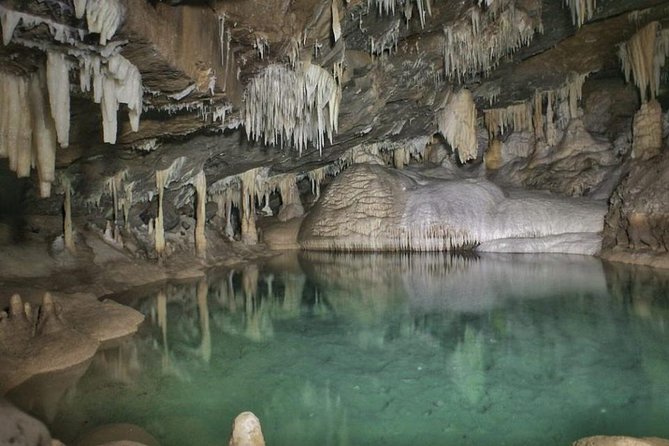
The snowy Gobi features diverse terrains: towering Khongoryn Els dunes (up to 300 meters) dusted in snow, resembling frozen waves; Yol Valley’s ice-filled gorges; and the Flaming Cliffs, fossil-rich badlands under frost. Winter reveals hidden beauty, like frozen waterfalls and ice caves in mountain fringes.
The desert’s 33 sub-regions, or “goviud,” include the Eastern Gobi steppe and Alashan Plateau, each with unique snow patterns. Nomads describe it as a “dry sea,” where snow provides vital moisture for spring growth. Geological highlights include ancient rock formations and dinosaur fossils, more visible against white backdrops.
Wildlife Adaptations: Surviving the Frozen Expanse
Despite harsh conditions, the Gobi hosts iconic species. Snow leopards prowl snowy mountains, using white camouflage for hunts. Endangered Gobi bears forage for roots under snow, while wild Bactrian camels, with thick winter coats, endure blizzards. Wolves and foxes thrive, their tracks etching snowy plains.
Birds like golden eagles soar over frosted steppes, preying on rodents. Vegetation, including saxaul trees, retains water to survive freezes. Overgrazing by livestock threatens balance, but winter snow aids regeneration by insulating soil.
Cultural and Historical Significance
For Mongolians, the snowy Gobi is home to nomadic herders who adapt with insulated gers and camel caravans. Winter festivals celebrate resilience, with traditions like eagle hunting in snow. Historically, it was a Silk Road hub, with ancient ruins preserved under frost.
Paleontological fame stems from 1920s dinosaur egg discoveries, making it the “dinosaur fossil capital.” Modern tourism supports locals, blending adventure with cultural immersion.
Travel Tips and Conservation Challenges
Winter visits require preparation: warm gear, 4×4 vehicles for snowy roads, and guides for safety. Highlights include sledding on frozen dunes or stargazing under clear skies. Best time: late autumn or early spring for milder conditions.
Climate change intensifies extremes, with more frequent storms threatening ecosystems. Conservation efforts focus on protected areas and sustainable grazing.
The snowy Gobi epitomizes nature’s contrasts, offering profound experiences. Its frozen allure invites exploration, fostering appreciation for this resilient wonder.
