


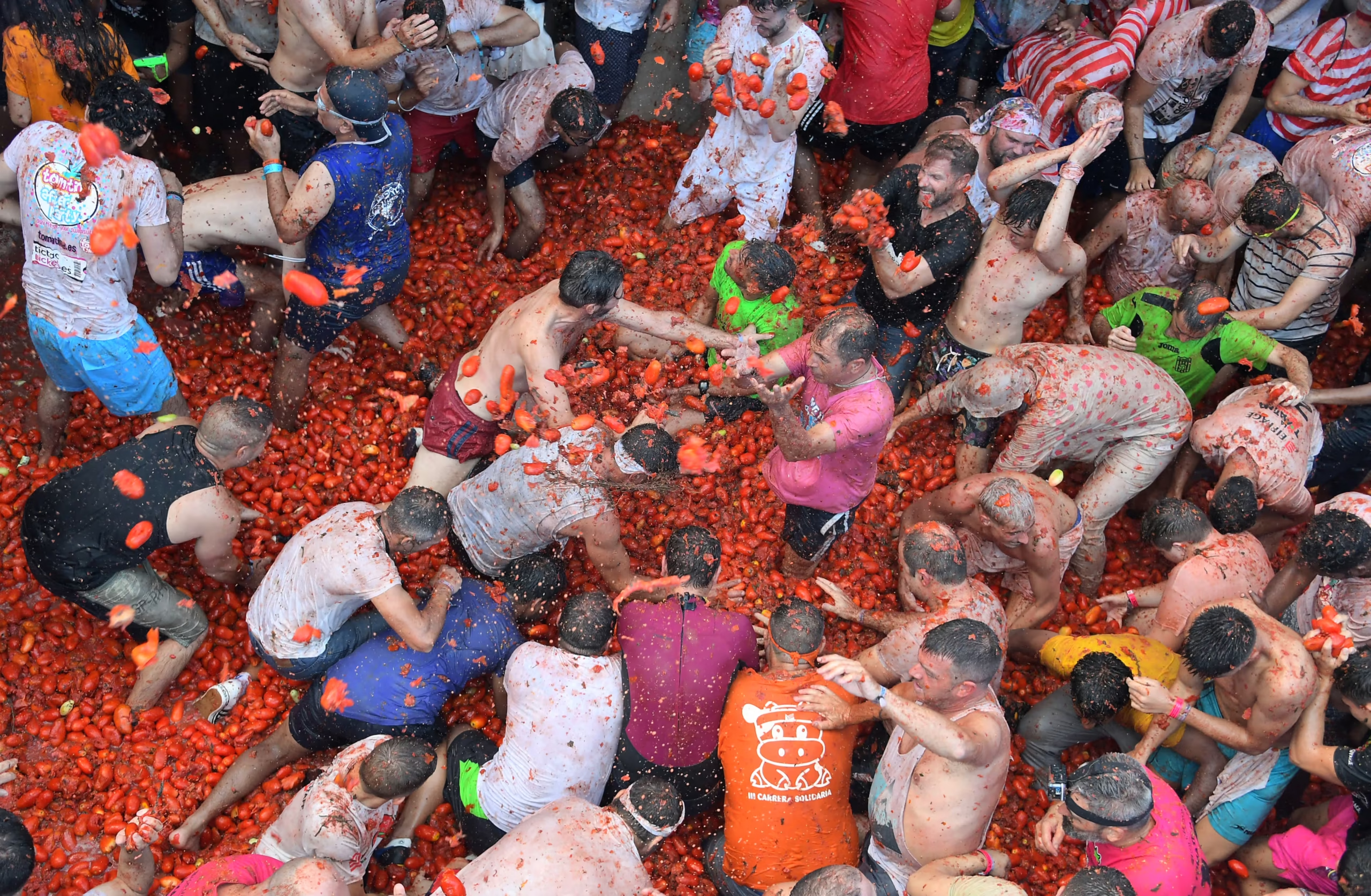
La Tomatina is the world’s largest food fight, held annually in Buñol, Valencia, Spain, on the last Wednesday of August. Thousands gather to pelt each other with over 100 tons of ripe tomatoes in a chaotic, joyful celebration of fun and tradition.
History and Origins of La Tomatina
The festival began spontaneously in 1945 during a parade in Buñol’s town square. Young people reportedly started a tomato fight after a mishap or argument involving a vegetable stall. It grew organically despite initial bans, becoming official in the 1950s. By the 1980s, it attracted international attention.
How the Festival Works: Rules, Preparation, and Chaos
Organizers truck in tons of tomatoes from Extremadura (not local produce to avoid waste concerns). The event starts at 11 AM with a “palo jamón” (ham pole climb). Once tomatoes arrive, the hour-long battle ensues. Rules: squash tomatoes before throwing (to reduce injury), no bottles or hard objects, stop when the signal sounds. Streets turn into a slippery red river. Post-fight, hoses and trucks clean up; participants use communal showers.
Cultural Significance and Modern Evolution
La Tomatina symbolizes release, community, and Spanish zest for life. It draws 20,000+ visitors from around the world. Since 2013, tickets are required for crowd control and safety. Local businesses profit from tourism, accommodations, and parties. It’s paired with other Buñol events like fireworks and music.
Economic and Environmental Impact
The festival boosts Valencia region’s economy but raises food waste questions. Organizers use surplus or lower-grade tomatoes. Cleanup uses recycled water; efforts promote sustainability.
Visitor Guide: What to Expect and Tips
Wear old clothes, goggles, closed shoes. Arrive early for good spots. Book tickets/accommodations ahead. Nearby attractions include Valencia’s City of Arts and Sciences. Pair with paella tastings or wine tours.
Comparisons to Other Food Festivals
Similar to Italy’s Battaglia dei Pomodori or India’s Holi, but uniquely massive and tomato-focused.
In conclusion, La Tomatina blends absurdity with tradition, fostering global camaraderie while showcasing Spain’s festive spirit. Its evolution reflects changing tourism and sustainability priorities.
