
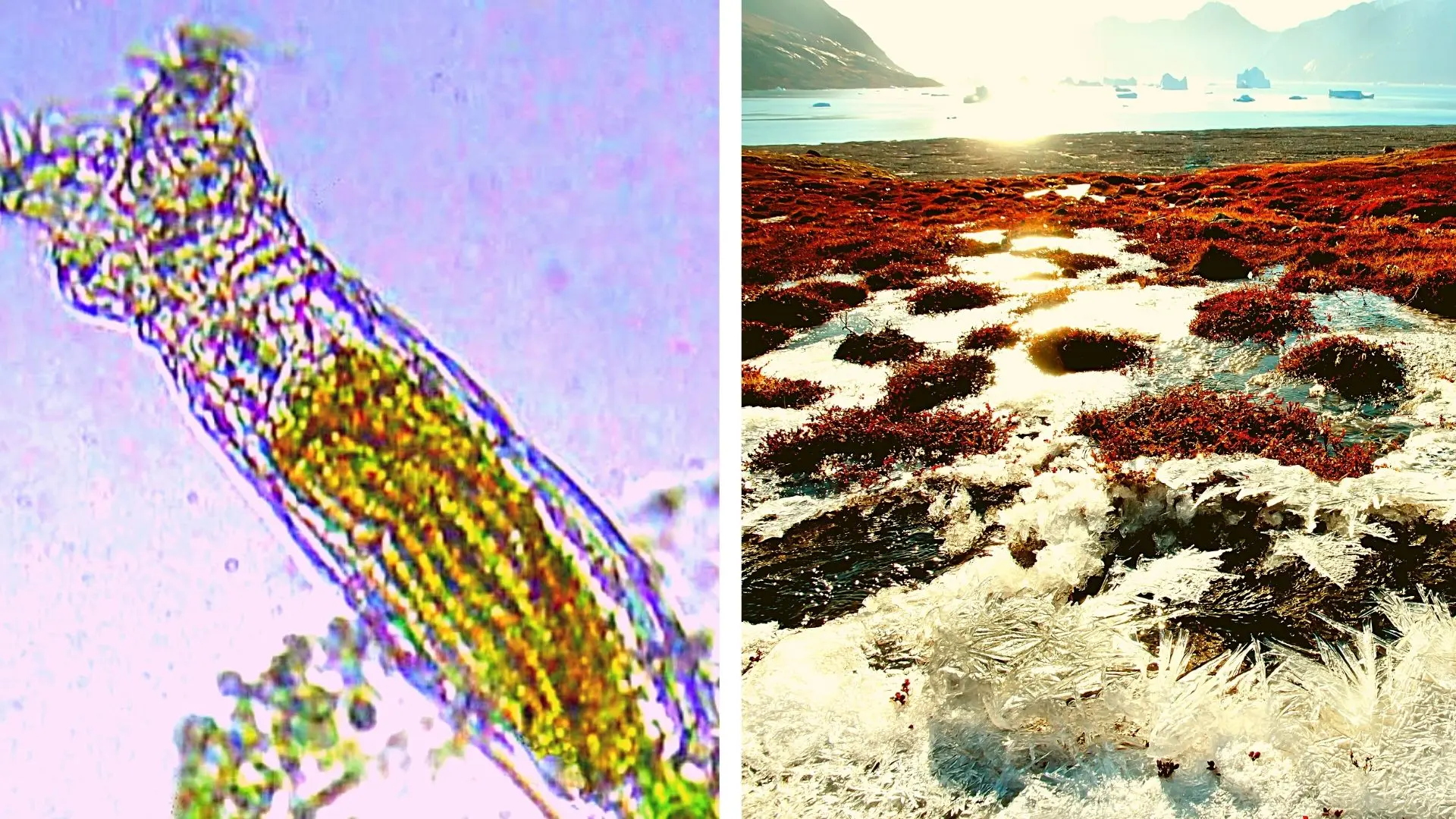
The Discovery in Siberian Permafrost
In 2021, Russian scientists from the Soil Cryology Lab revived bdelloid rotifers frozen in Arctic permafrost dated to about 24,000 years old (late Pleistocene). The rotifers, extracted from a sediment core near the Alazeya River, resumed activity, feeding, and reproducing via parthenogenesis (asexual cloning).
How Do They Survive Extreme Freezing?
Bdelloid rotifers endure desiccation, radiation, and freezing through cryptobiosis a state of reversible metabolic shutdown. They produce protectants like trehalose and late embryogenesis abundant (LEA) proteins that prevent ice crystal damage and stabilize cells. Slow freezing in permafrost allowed survival without lethal intracellular ice.
Scientific Process of Revival
Researchers thawed samples gradually, rehydrated the rotifers, and observed movement under microscopes. The ancient ones cloned successfully, producing viable offspring. DNA analysis confirmed their age via surrounding sediment dating.
Implications for Biology, Astrobiology, and Medicine
This discovery shows multicellular life can survive far longer than thought. It informs cryopreservation for organs, seeds, and endangered species. In astrobiology, it suggests life could persist in Mars’ permafrost or icy moons like Europa/Enceladus. Climate change thawing permafrost raises concerns about reviving ancient pathogens.
Comparison to Other Extreme Survivors
Tardigrades (water bears) survive space vacuum; bacteria like Deinococcus radiodurans resist radiation. Earlier claims include viable bacteria from 250,000+ year-old permafrost or amber, but verification is rigorous.
Ethical and Environmental Considerations
Reviving ancient life sparks debates on ecological risks. Permafrost thaw due to warming could release modern viruses or bacteria, highlighting climate urgency.
In conclusion, these 24,000-year survivors reveal life’s tenacity and open doors to new preservation technologies and insights into life’s origins.
