

Chile’s golden-tinted mountains, particularly in the Atacama Desert, paint a surreal picture of nature’s artistry, where mineral-rich rocks glow under the sun’s rays. These formations, often shimmering in hues of gold at dawn and dusk, draw adventurers and photographers alike. This detailed exploration covers their geology, locations, ecological significance, tourism appeal, and conservation challenges, revealing why these mountains are a hidden gem in South America.
Geological Origins: How Minerals Create the Golden Glow
The Atacama Desert, spanning northern Chile, is the driest non-polar desert on Earth, with some areas receiving no rain for decades. Its mountains, part of the Andes range, owe their golden tint to iron oxides, sulfur, and copper deposits that oxidize into yellowish-gold shades. Volcanic activity and tectonic forces have uplifted these peaks, exposing mineral veins.
Key sites include the Rainbow Valley (Valle del Arcoiris), where red, green, and golden layers stripe the hills due to clay and gypsum. Nearby, Llullaillaco volcano (6,739m) features golden slopes from sulfur fields. Sunset amplifies the glow, turning landscapes into molten gold.
Prime Locations: Where to Witness the Golden Spectacle
The Atacama’s core, near San Pedro de Atacama, hosts these wonders. Rainbow Valley, 90km north, features multi-colored canyons with golden accents. The Andes’ highest peaks, like Ojos del Salado (6,893m), border Chile-Argentina with golden-tinted lava fields.
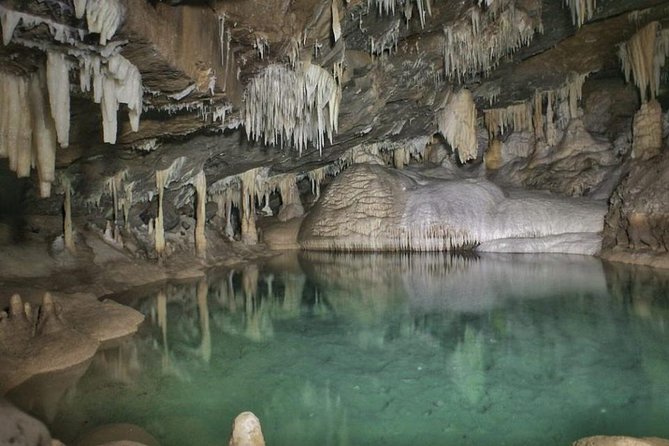
Further south, the Rio Hurtado Valley at the desert’s edge offers golden hills amid vineyards and observatories. Patagonia’s marble caves on General Carrera Lake reflect golden hues in turquoise waters. Mining areas like Yanacocha echo gold deposits, though not purely natural.
Ecological and Cultural Importance: Life in Arid Beauty
Despite aridity, these mountains support unique ecosystems. Vicuñas graze on sparse vegetation, and flamingos inhabit golden-fringed salt flats. Soils range from red to brown at lower altitudes, fostering hardy plants like cacti.
Indigenous Aymara and Atacameño peoples revere these sites as sacred, with petroglyphs near Yerbas Buenas depicting ancient life. The Andes symbolize Chile’s history, from Inca trails to independence battles.
Tourism and Adventure: Experiencing the Golden Tints
Visitors flock to Atacama for hiking, stargazing, and photography. Tours from San Pedro include jeep excursions to Rainbow Valley, best at golden hour. Climbing Ojos del Salado offers views of golden vistas, though it’s challenging.
Accommodations range from luxury lodges to eco-camps. Pack for extreme conditions—UV protection and hydration are crucial. Sustainable tourism emphasizes low-impact visits to preserve the fragile environment.
Challenges and Conservation: Preserving the Glow
Mining for copper and gold threatens these landscapes, causing erosion and pollution. Climate change exacerbates dryness, affecting biodiversity. Protected areas like Llullaillaco National Park safeguard sites.
Efforts include reforestation and community-led eco-tourism. International recognition as UNESCO sites could enhance protection.
The Allure of Chile’s Golden Mountains
These golden-tinted peaks embody Chile’s diverse geography, from desert isolation to Andean grandeur. They inspire awe, reminding us of Earth’s geological poetry. Whether seeking adventure or serenity, Chile’s golden mountains promise an unforgettable journey. Explore responsibly and witness nature’s golden masterpiece.
