The Maldives, a tropical paradise of over 1,000 coral islands, is famous for its pristine beaches and overwater bungalows. But one of its most mesmerizing attractions is the Sea of Stars on Vaadhoo Island a natural phenomenon where the ocean glows with bioluminescent plankton, creating a starry spectacle on the water’s surface. This man-made illusion? No, it’s entirely natural, but the unique aerial views of atolls and islands enhance its allure. In this in-depth article, we’ll explore the science, best viewing spots, and travel tips for experiencing this ethereal display.
Understanding the Science of the Sea of Stars
The Sea of Stars is caused by bioluminescent dinoflagellates, microscopic plankton that emit light when disturbed by waves or movement. This chemical reaction, similar to fireflies, produces a blue glow that mirrors the night sky. In the Maldives, warm waters and nutrient-rich currents in the Indian Ocean foster these organisms, particularly around Vaadhoo in Raa Atoll.
Though not man-made, the phenomenon’s visibility is influenced by human factors like low light pollution on remote islands. Vaadhoo’s coral reef ecosystem supports the plankton, making it a prime location. The “stars” appear most vividly during new moon phases, when darkness amplifies the glow. This natural light show has become a top draw for eco-tourists seeking unique aerial and shoreline perspectives.
Prime Locations and Resorts for Witnessing the Phenomenon
Vaadhoo Island, a small inhabited isle in Raa Atoll, is the epicenter of the Sea of Stars. Accessible by a 3-hour flight from Male followed by a boat ride, it’s ideal for authentic experiences. While lacking major luxury resorts, nearby options like Furaveri Maldives offer guided tours to spot the glow.
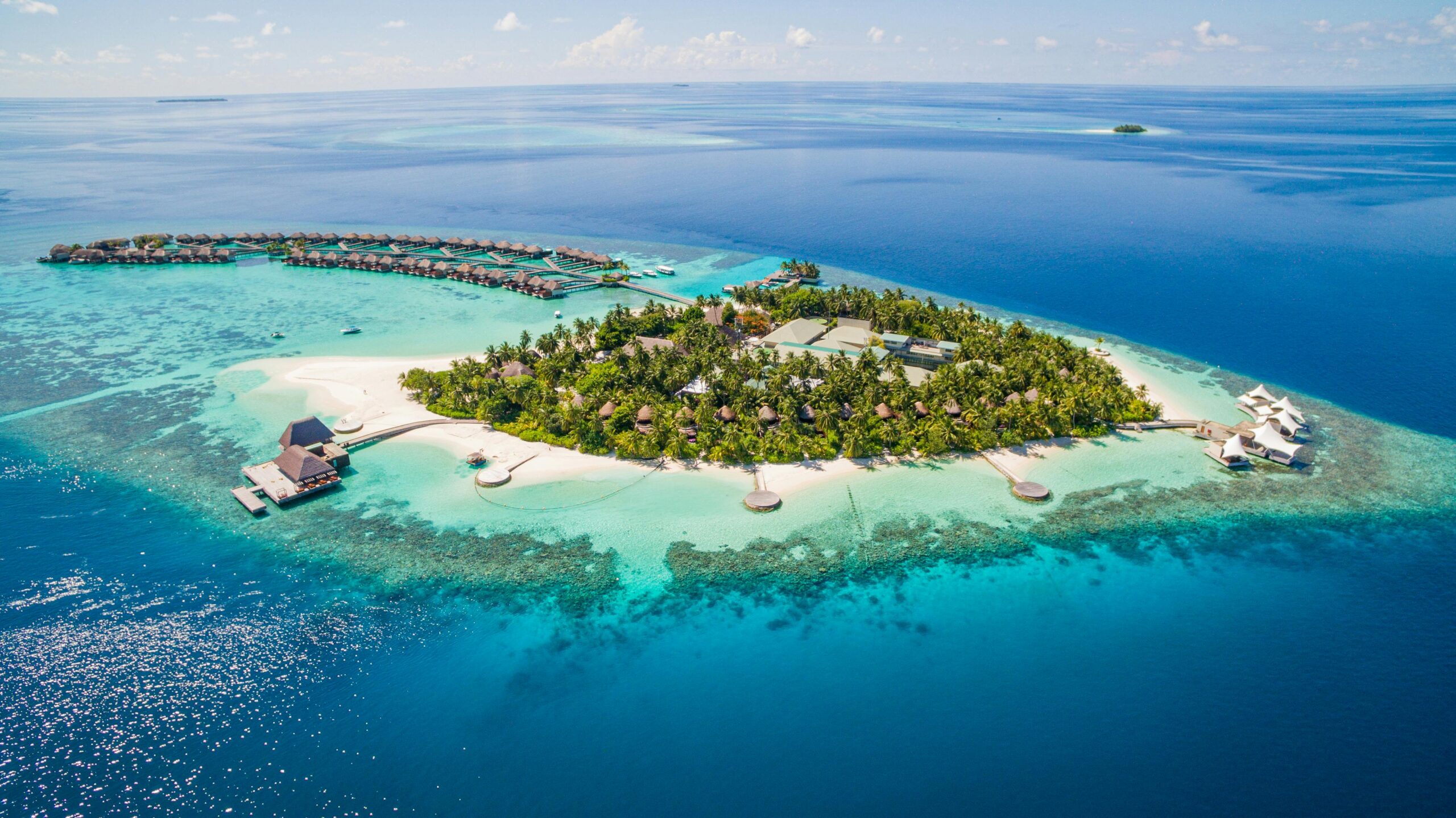
For a more upscale stay, consider The St. Regis Maldives Vommuli Resort, whose unique aerial shape resembling a lobster or star adds to the visual appeal. From here, night kayaking excursions allow you to paddle through the illuminated waters. Other atolls like Baa or Ari also show bioluminescence, but Vaadhoo’s consistency makes it legendary.
Tour operators provide snorkeling or boat trips focused on the phenomenon, often combining them with stargazing. Remember, the glow isn’t guaranteed factors like weather and plankton density play a role.
The Ecological Importance and Conservation Efforts
The Sea of Stars highlights the Maldives’ fragile marine ecosystem. Climate change, rising sea levels, and pollution threaten these plankton and coral reefs. Resorts like those in Raa Atoll promote sustainable practices, such as reef cleanups and eco-friendly lighting to minimize disruption.
Visitors can contribute by using reef-safe sunscreen and avoiding touching the water unnecessarily. UNESCO-recognized biospheres in the Maldives underscore the need for protection, ensuring future generations enjoy this wonder.
Travel Tips for an Unforgettable Sea of Stars Adventure
Plan your visit between July and December for optimal conditions, though sightings occur year-round. Pack insect repellent for beach walks and a waterproof camera for capturing the glow. Budget for tours—expect $50-100 per person.
Combine your trip with other Maldives highlights: snorkel with manta rays or relax on white-sand beaches. For aerial views, drone photography reveals the atolls’ unique shapes, enhancing the “star-shaped” island allure.
In essence, the Sea of Stars transforms the Maldives’ night into a cosmic ocean, blending science and serenity. Whether from a resort villa or a local beach, this phenomenon captivates all who witness it.
