


Iceland is known for glaciers and volcanoes, but fire also plays a powerful cultural role. The Icelandic Fire Festival, commonly associated with New Year’s Eve bonfires (Áramótabrennur), is one of the country’s most dramatic traditions.
Origins of the Fire Festival
The tradition dates back centuries, rooted in Norse mythology and the belief that fire drives away evil spirits while welcoming renewal.
Bonfires Across the Country
On December 31st, massive bonfires are lit in towns and coastal areas. Families and communities gather to sing traditional songs and celebrate together.
Fireworks and Celebration
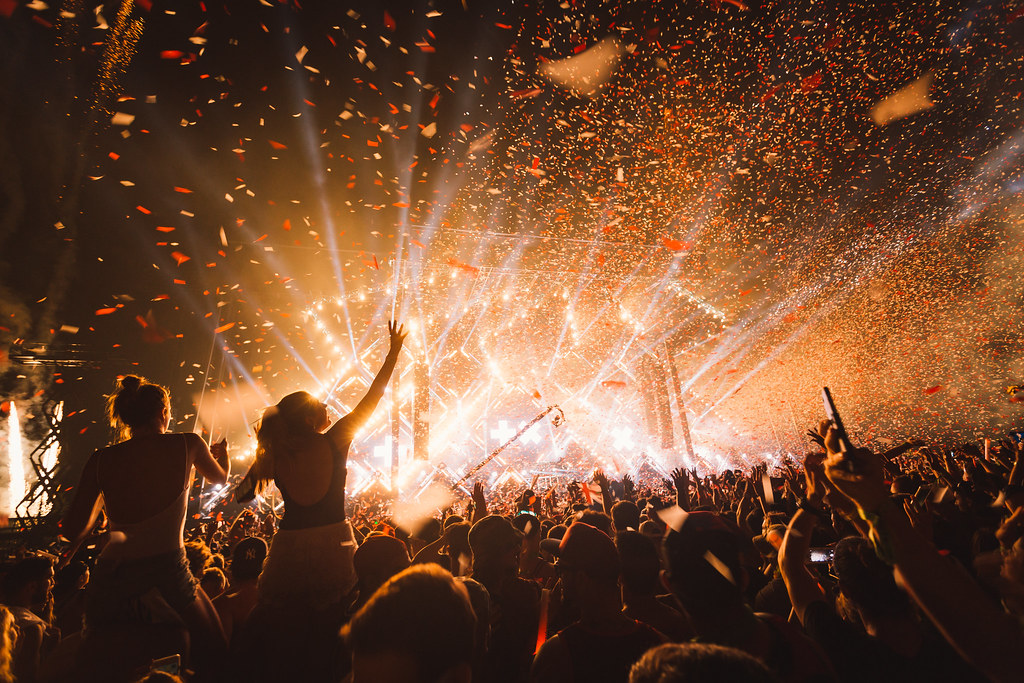
After the bonfires, Iceland’s skies explode with fireworks. Unlike many countries, fireworks are widely used by citizens, creating a nationwide spectacle.
Cultural and Social Meaning
The fire festival represents unity, resilience, and hope—values deeply ingrained in Icelandic culture.
Environmental Awareness
Modern celebrations emphasize sustainability, with regulated materials and cleanup efforts to protect Iceland’s fragile environment.
Tourism and Global Interest
Visitors from around the world travel to Iceland to experience this unique blend of ancient tradition and modern celebration.
Fire, Ice, and Identity
The Fire Festival perfectly reflects Iceland’s identity: a land shaped by extremes, where nature and culture burn brightly together.
