
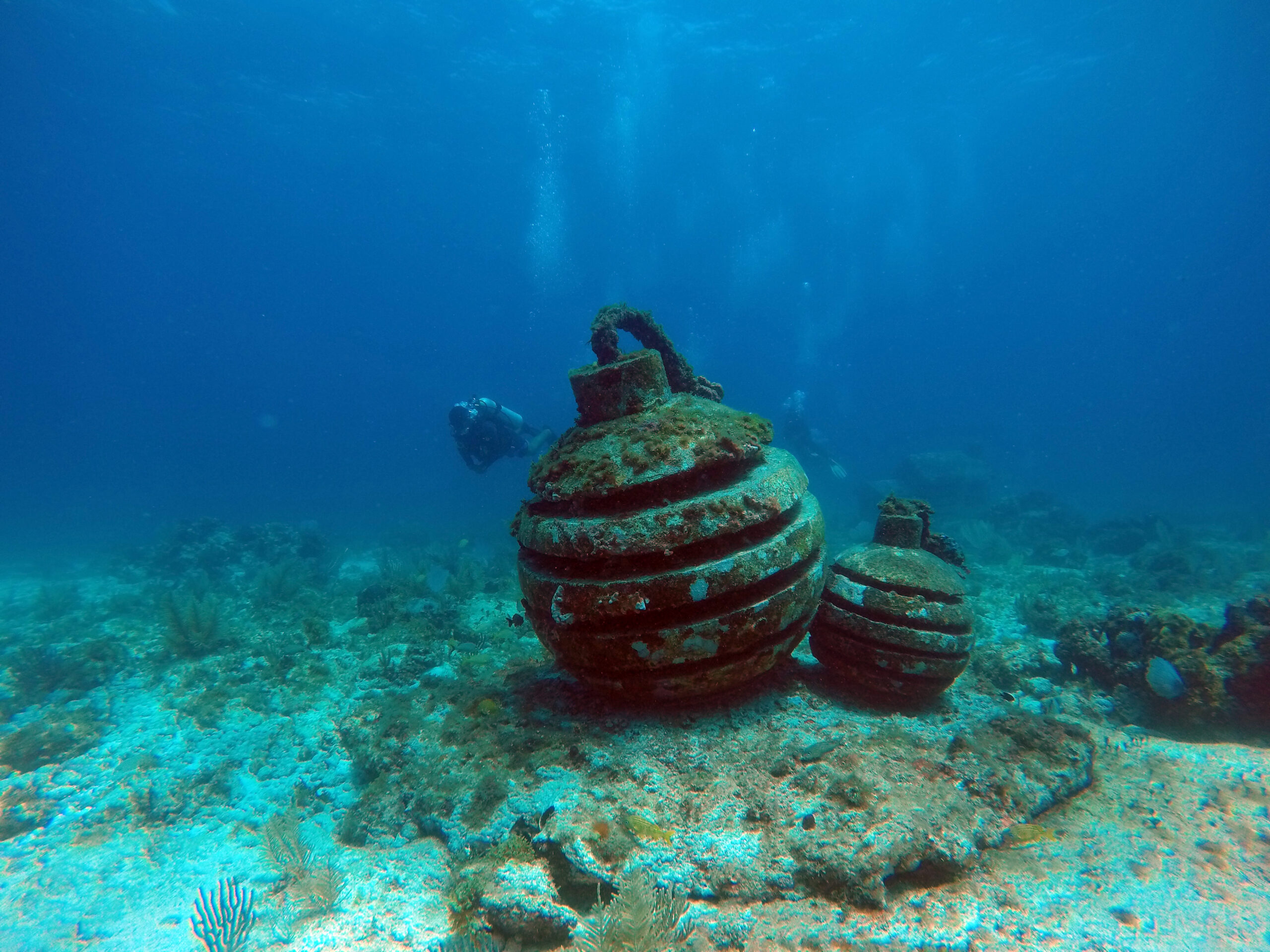
Beneath the turquoise waves off Cancun’s coast lies a surreal world of art and marine life the Cancun Underwater Museum (MUSA). This innovative attraction features over 500 life-sized sculptures submerged in the ocean, creating an artificial reef that blends human creativity with nature’s resilience. Ideal for divers and snorkelers, MUSA not only captivates with its eerie beauty but also promotes coral conservation. In this comprehensive guide, we’ll uncover the museum’s origins, artistic highlights, and why it’s a top SEO destination for “underwater sculptures Cancun.”
Origins and Creation of the Underwater Museum
Established in 2009, the Cancun Underwater Museum was born from a collaboration between the National Marine Park, artist Jason deCaires Taylor, and local authorities. The goal? To divert tourists from over-visited natural reefs like those in Isla Mujeres, reducing human impact while fostering new coral growth.
The sculptures, made from pH-neutral marine concrete, were strategically placed in shallow waters (3-6 meters deep) across sites like Punta Nizuc and Manchones Reef. Taylor’s vision drew from Mayan culture and contemporary issues, turning the seafloor into a gallery. Initial installations included “The Silent Evolution,” a group of 400 figures representing humanity’s evolution and environmental challenges.
Funding came from tourism taxes and donations, highlighting Cancun’s commitment to sustainable attractions. Today, MUSA attracts over 750,000 visitors annually, boosting Mexico’s eco-tourism sector.
Artistic Themes and Notable Sculptures
Each sculpture in MUSA tells a story, blending art with ecology. “The Dream Collector” depicts an elderly man gathering bottled messages, symbolizing lost dreams and ocean pollution. “Man on Fire” features a figure embedded with fire coral, illustrating climate change’s fiery impacts.
The museum’s largest installation, “The Silent Evolution,” portrays diverse individuals from locals to tourists, now encrusted with corals and algae. This transformation showcases how art becomes habitat—sponges, sea fans, and fish colonize the surfaces, creating vibrant ecosystems.
Taylor’s work often addresses social issues; “Inheritance” shows a child with plastic waste, urging reflection on legacy. For SEO terms like “Cancun underwater sculptures,” these pieces are hotspots for photographers and videographers, with glass-bottom boat tours offering non-divers a peek.
Marine Conservation and Ecological Benefits
MUSA isn’t just art it’s a conservation powerhouse. By providing alternative dive sites, it alleviates pressure on natural reefs damaged by hurricanes and bleaching. The sculptures promote coral propagation; their textured surfaces encourage larval attachment, accelerating reef recovery.
Studies by the Universidad Nacional Autónoma de México show increased biodiversity around MUSA, with species like barracuda, turtles, and colorful fish thriving. This artificial reef combats ocean acidification and warming, serving as a model for global initiatives.
Visitors contribute through entrance fees, funding marine research. Snorkeling guidelines emphasize no-touch policies, educating on reef etiquette.
Visiting the Cancun Underwater Museum: Tips and Experiences
Planning a trip? Access MUSA via certified dive operators from Cancun or Isla Mujeres. Snorkel tours start at $50, while scuba dives cost around $100, including equipment. Best times are May to September for calm waters and visibility up to 30 meters.
For an immersive experience, join guided tours explaining each sculpture’s meaning. Night dives reveal bioluminescent wonders, adding magic. Accommodations in Cancun range from all-inclusive resorts to eco-hotels promoting sustainability.
Safety is paramount; check weather and certifications. For families, shallow sites suit beginners, making it accessible for all ages.
The Future of Underwater Art and Tourism
As climate threats loom, MUSA expands with new installations, like those addressing plastic pollution. Collaborations with artists worldwide aim to grow the collection, enhancing its appeal for “underwater museum Cancun” searches.
Educational programs partner with schools, inspiring youth on marine stewardship. Globally, similar projects in Grenada and the Great Barrier Reef draw from MUSA’s success, proving art’s role in conservation.
In essence, the Cancun Underwater Museum transforms the ocean into a living canvas, where sculptures and sea life coexist harmoniously, inviting all to dive deeper into environmental awareness.
