



Towering Over the Red Planet
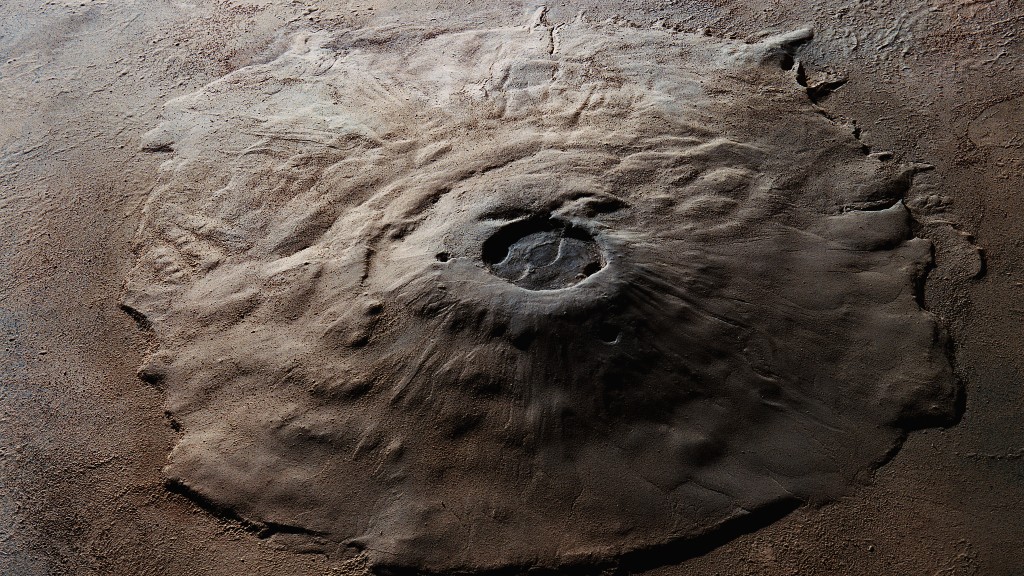
Olympus Mons, on Mars’ Tharsis region, is the solar system’s tallest mountain at 21.9 km high nearly three times Everest’s height. This shield volcano spans 600 km wide, with a caldera 80 km across.
Formed by lava flows over billions of years, its gentle slopes resemble Hawaiian volcanoes.
Geological Formation and Features
Mars’ low gravity and lack of plate tectonics allowed prolonged eruptions, building Olympus Mons from 3-4 billion years ago. Last active 25 million years ago, it may erupt again.
The structure includes a central caldera with multiple craters and escarpments up to 8 km high from landslides.
Comparison to Earth Mountains
Everest is 8.8 km, Mauna Kea 10 km from base Olympus Mons dwarfs them due to Mars’ conditions. No erosion or tectonics preserved its size.
Exploration and Scientific Value
Viking orbiters discovered it in 1971; recent missions like Mars Express provide data on composition. Lava tubes suggest potential habitats.
Future missions could explore for past life or resources.
Implications for Planetary Science
Olympus Mons informs volcanism across planets, comparing to Venus’ Maat Mons. It highlights Mars’ dynamic past.
As a solar system marvel, it inspires wonder about extraterrestrial landscapes.
