



Volcanoes That Deliver Gems
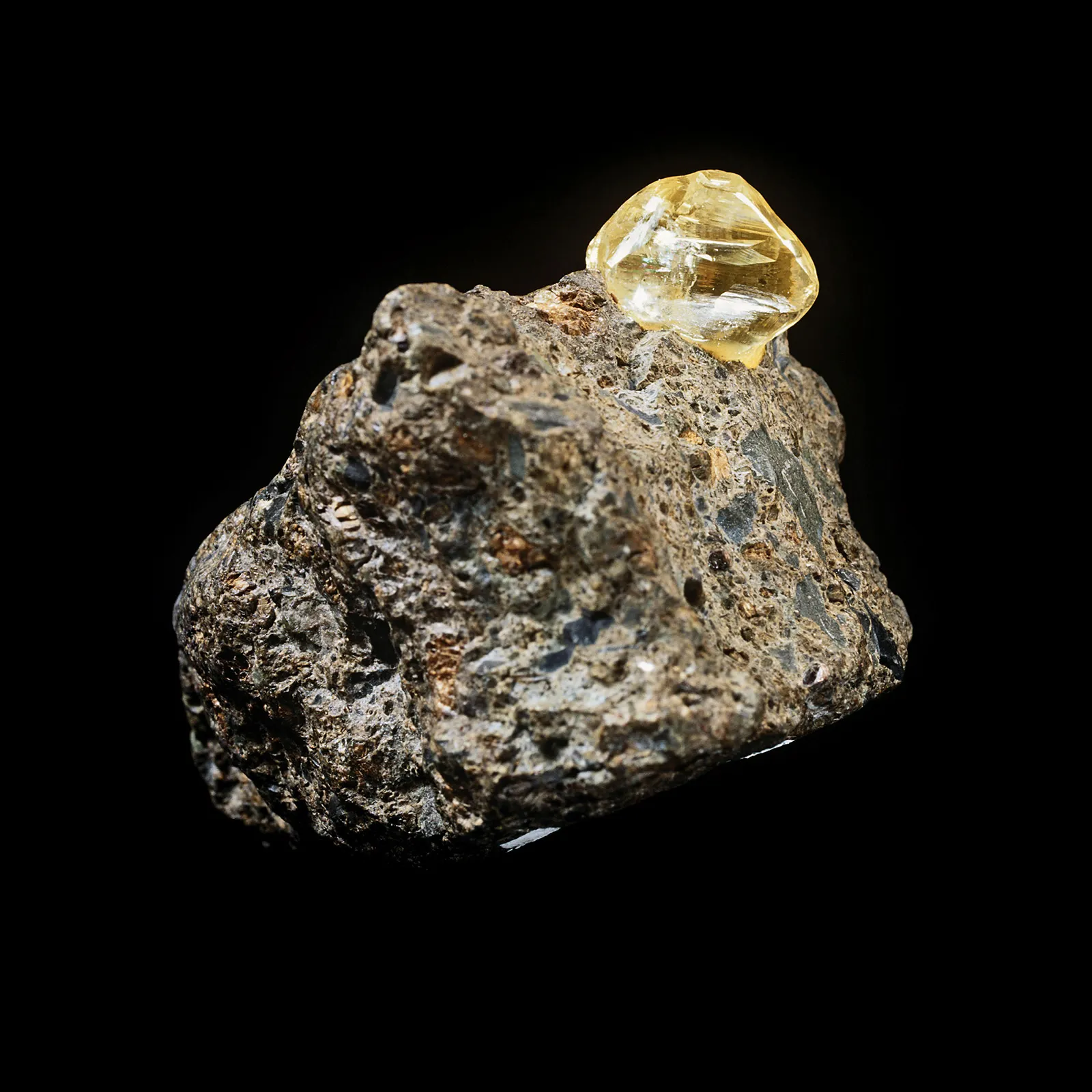
Not all volcanoes spew lava alone. Some ancient volcanic systems transported one of Earth’s most valuable substances to the surface: diamonds.
Across parts of Africa, rare geological structures called kimberlite pipes acted as high speed elevators from deep within the planet, carrying diamonds formed over billions of years.
What Is a Kimberlite Pipe
A kimberlite pipe is a carrot shaped volcanic conduit created by explosive eruptions that originated more than 150 kilometers below Earth’s crust.
The magma rose so quickly that diamonds did not have time to melt, becoming trapped inside solidified rock.
How Diamonds Form Deep Underground
Diamonds crystallize in Earth’s mantle under extreme pressure and temperature.
Key requirements include:
- Depths exceeding 150 kilometers
- Carbon rich material
- Stability over millions to billions of years
Only violent kimberlite eruptions bring them near the surface.
Famous African Kimberlite Regions
Southern Africa hosts many historic diamond sources, including:
- Kimberley in South Africa
- Botswana’s Orapa and Jwaneng fields
- Angola’s Catoca mine
These sites transformed global economies and jewelry markets.
Mining the Pipes
Modern operations use open pit or underground methods to extract kimberlite rock, which is crushed and processed to isolate diamonds.
Environmental management and community impact are now major components of contemporary mining.
Why Kimberlite Is Rare
Only a tiny fraction of volcanic events originate deep enough to transport diamonds. Many kimberlite pipes contain no gems at all, making exploration risky and expensive.
Kimberlite pipes are geological marvels that connect Earth’s deepest layers with the human world of luxury and commerce, revealing how natural forces shape global history.
