A Village Sculpted in White
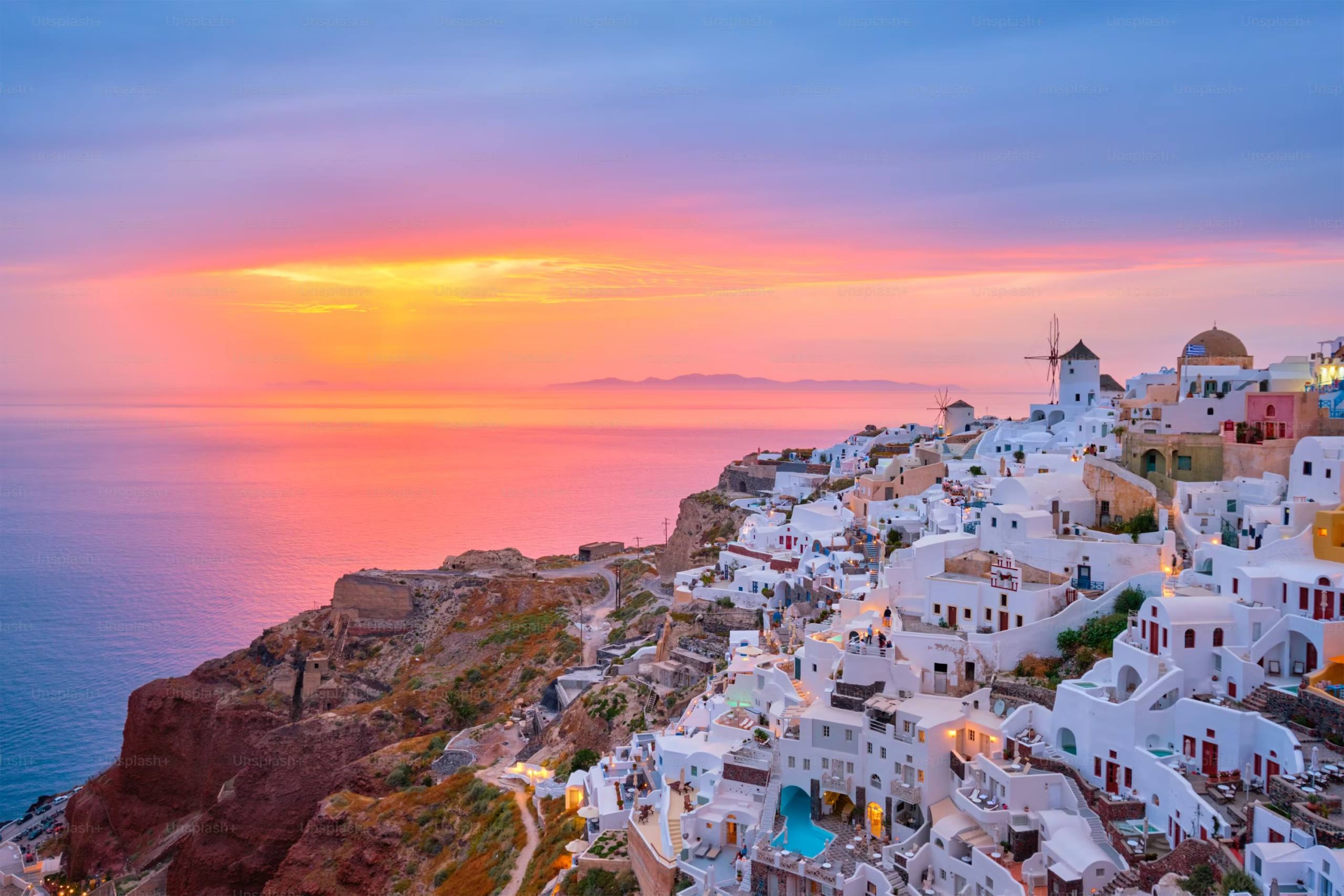
Perched high above the Aegean Sea, Oia is the most iconic village on the Greek island of Santorini. Famous for its dazzling white limestone houses, blue domes, and cascading terraces carved into volcanic cliffs, Oia represents the classic image of Greece that appears on postcards around the world.
Beyond its photogenic appearance, Oia is a place shaped by geology, maritime history, and centuries of adaptation to life on a rugged island landscape.
The Geological Roots of Oia’s Architecture
Santorini is a volcanic island formed by massive eruptions thousands of years ago. The cliffs that support Oia consist largely of volcanic ash and pumice, materials that were later covered with limestone based plaster to protect structures from weather and heat.
Whitewashed surfaces reflect sunlight, keeping interiors cool during intense Mediterranean summers while giving the village its uniform appearance.
A History Carved into the Cliffs
Oia’s earliest homes were partly excavated directly into the rock, known as yposkafa cave houses. These provided insulation from heat and strong winds while conserving limited building materials.
During the nineteenth century, Oia became a prosperous maritime settlement. Wealthy ship captains built elegant mansions overlooking the caldera, many of which survive today as boutique hotels or galleries.
Streets, Domes, and Terraces
Walking through Oia reveals a maze of narrow stone pathways, staircases, and archways connecting layered neighborhoods.
Architectural highlights include:
- Blue domed churches such as Agios Spyridon
- Arched doorways and rounded roofs
- Sun drenched terraces overlooking the sea
Every corner offers dramatic contrasts between white walls, cobalt skies, and dark volcanic rock.
Sunset Capital of the Aegean
Oia is world famous for its sunsets. As the sun sinks into the sea, buildings glow gold and pink while shadows stretch across the cliffs. Crowds gather daily to watch the spectacle, turning sunset viewing into a cultural ritual.
Tourism and Preservation
Heavy tourism has brought economic growth but also conservation challenges. Restoration projects, visitor limits in sensitive areas, and infrastructure upgrades aim to protect Oia’s historic fabric while accommodating millions of visitors each year.
Oia’s white limestone houses are more than beautiful scenery. They are the product of volcanic geology, climate adaptation, and maritime history. The village stands today as a timeless symbol of Mediterranean life perched dramatically above the sea.
