

A Landscape Made of the Sea
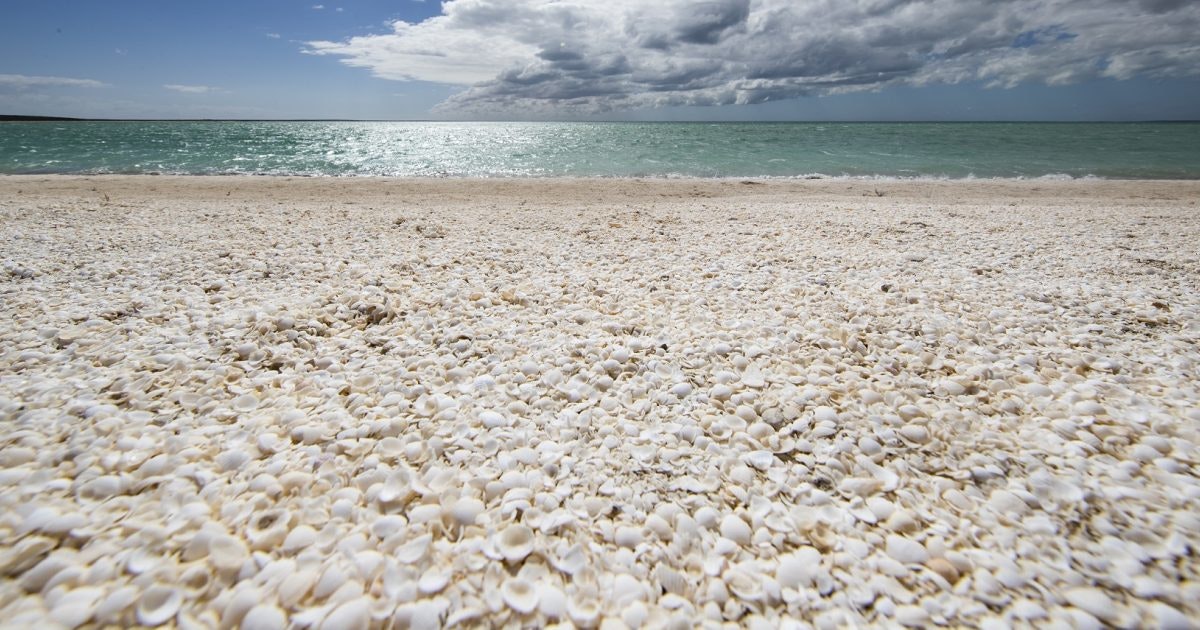
In parts of Australia, entire islands and coastal settlements have been shaped using crushed seashells rather than stone. These shell based surfaces form roads, foundations, and construction materials, creating a rare example of marine remains influencing architecture on land.
Where Are These Shell Built Islands
Several coastal areas in Australia have historically used shell grit, a mixture of crushed shells and sand, as a building material. Shell deposits accumulated naturally over thousands of years from wave action and shellfish remains.
In remote island communities, shell grit was easier to source than quarried rock, making it an ideal alternative for construction.
How Seashells Become Building Materials
Seashells consist largely of calcium carbonate, similar to limestone. When crushed, they can be mixed with sand or cement to form:
- Road foundations
- Pathways
- Concrete aggregate
- Building blocks
This process transforms biological debris into durable infrastructure.
Historical Use in Coastal Settlements
Early settlers and Indigenous communities alike made use of shell deposits for trails and foundations. Over time, these materials became part of local construction traditions.
Shell middens, ancient piles of discarded shells left by coastal peoples, also contributed to natural shell rich landscapes that later influenced development.
Engineering Benefits of Shell Based Construction
Shell grit offers several advantages:
- Good drainage properties
- Resistance to erosion
- Local availability reducing transport costs
- Environmental reuse of natural waste
Modern studies suggest crushed shells can even reduce the carbon footprint of some construction projects when used to replace quarried stone.
Environmental Considerations
While shell based building can be sustainable, uncontrolled extraction damages coastal ecosystems. Today, regulations protect natural shell beaches and archaeological shell middens.
Engineers increasingly rely on recycled shell waste from seafood industries rather than harvesting from shorelines.
Cultural Identity and Tourism
Shell roads and pale colored island surfaces have become distinctive local features. Visitors are often surprised to learn they are walking on the remains of countless marine organisms.
Interpretive signs and museums in some coastal regions explain how shells shaped the area’s development and geology.
Future of Shell Based Materials
Researchers now experiment with oyster shell concrete and shell derived cement substitutes. These innovations may support greener construction in coastal communities worldwide.
An island built partly from seashells demonstrates how humans adapt to available resources. What once washed ashore as ocean debris now forms the backbone of roads and buildings, linking marine life with human ingenuity.
