

A Ghostly Shape in the Polar Seas
Occasionally, photographers in polar waters capture images of icebergs whose shapes eerily resemble famous ships. One such sight that spread rapidly online was an iceberg that people said looked like the Titanic, complete with towering sides and a long, dark silhouette.
While purely coincidental, these frozen formations reveal the incredible sculpting power of ice, wind, and waves.
How Icebergs Form
Icebergs originate from glaciers or ice shelves when large chunks of ice break away in a process called calving. These massive blocks drift into open water, where currents and temperature slowly reshape them.
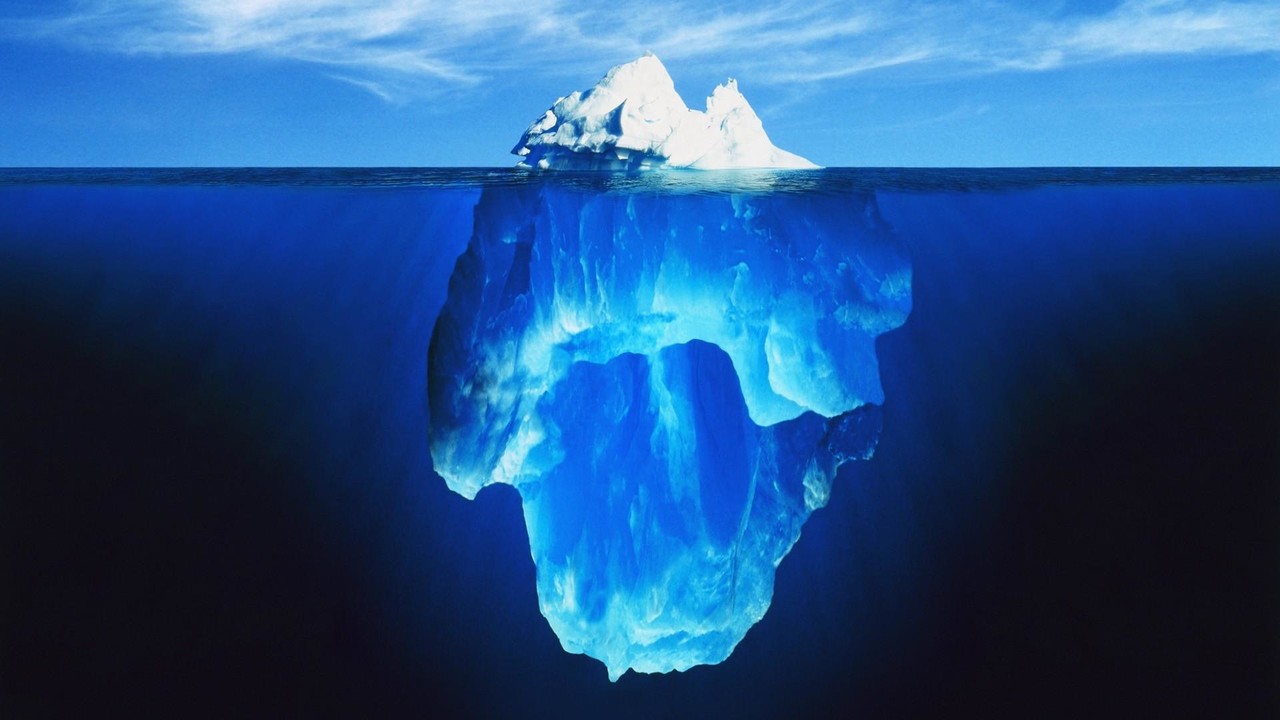
Most of an iceberg remains hidden below the surface, making their above water shapes only part of a much larger structure.
Why Some Icebergs Look Like Ships
Waves erode ice at the waterline faster than above or below, carving flat decks and vertical walls. Wind sculpts ridges, while melting creates cavities and arches.
When these forces combine in just the right way, the result can resemble man made objects such as ships, castles, or animals.
The Role of Light and Perspective
Lighting conditions play a huge role in how icebergs appear. Low sunlight can cast long shadows, enhancing sharp edges and silhouettes.
Camera angles also affect perception, sometimes exaggerating proportions and creating striking visual illusions.
Titanic Comparisons in Popular Culture
The Titanic has become a symbol of maritime history, so any iceberg with a similar outline immediately draws attention. Social media spreads such images rapidly, blending science with storytelling and public fascination.
Why Icebergs Matter Scientifically
Beyond their visual drama, icebergs provide valuable data about glacier retreat, climate change, and ocean circulation.
Scientists track iceberg movement to understand melting rates and freshwater input into the seas, which influence global climate systems.
An iceberg that resembles the Titanic is a reminder of nature’s artistry and unpredictability. Though shaped purely by environmental forces, such frozen giants continue to spark wonder and curiosity across the world.
