




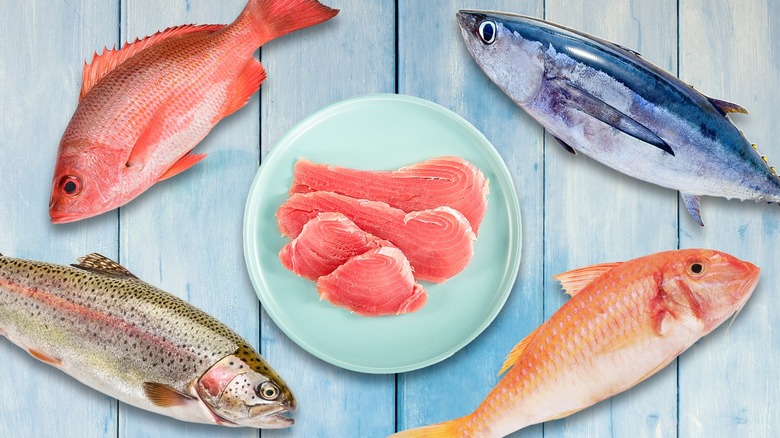
Salmon, the sleek swimmers of rivers and oceans, are renowned not just for their epic migrations but for their distinctive red-colored flesh, often mistaken or extended to discussions of their bones. While salmon bones are typically white, the vibrant red pigmentation in their muscles stems from a diet rich in astaxanthin, a carotenoid from krill and algae. This article delves into the biology, ecology, and culinary significance of salmon, uncovering why they’re a marvel of nature and nutrition. Ideal for foodies, anglers, and marine biology enthusiasts.
The Anatomy of Salmon’s Red Coloration
Salmon species like Atlantic (Salmo salar) and Pacific varieties (Oncorhynchus) owe their red flesh to astaxanthin, which acts as an antioxidant. This pigment binds to muscle proteins, giving the iconic pink-red hue. Bones, however, remain calcified and white, though in some preparations, residual flesh can make them appear tinted.
Dissecting a salmon reveals layered anatomy: skin, red muscle for sustained swimming, white muscle for bursts, and a skeleton adapted for agility. Studies from the National Oceanic and Atmospheric Administration (NOAA) explain how wild salmon get deeper red from natural diets, while farmed ones use supplemented feed.
Life Cycle and Migration Marvels
Salmon’s anadromous life begins in freshwater rivers, where eggs hatch into alevins. Juveniles (smolts) migrate to oceans for growth, returning as adults to spawn. This journey, up to 2,000 miles, defies obstacles like waterfalls. The red flesh fuels this, storing energy from marine foraging.
Species differences: Chinook (king) salmon have the richest red flesh, while sockeye’s is intensely crimson. Climate change affects migrations, with warmer waters stressing populations, as per reports from the Pacific Salmon Foundation.
Nutritional Powerhouse and Health Benefits
Salmon is packed with omega-3 fatty acids, protein, and vitamins. The red pigment astaxanthin combats inflammation and supports eye health. A 100g serving provides over 100% daily vitamin D. Bones, when softened in canning, offer calcium.
Health studies, including those from Harvard Medical School, link regular consumption to reduced heart disease risk. However, concerns like mercury in wild salmon and antibiotics in farmed urge sustainable choices.
Salmon in Ecosystems and Conservation
As keystone species, salmon nourish forests via nutrient transfer bears and birds distribute carcasses, enriching soil. In the Pacific Northwest, they support indigenous cultures like the Haida, with spiritual and economic ties.
Conservation faces dams, overfishing, and pollution. Initiatives like hatcheries and river restorations by groups like Trout Unlimited aim to bolster stocks. Farmed salmon, producing 70% globally, uses tech for eco-friendly practices.
Culinary Versatility and Global Cuisine
From sushi to smoked lox, salmon’s red flesh shines. Grilling enhances flavor, while poaching preserves moisture. Recipes vary: Scandinavian gravlax cures with dill, while Native American planking uses cedar.
Sustainability labels like MSC guide purchases. Fun fact: The red color fades if not fed properly, affecting market value.
Myths, Facts, and Future Prospects
Myth: All salmon have red bones false; it’s the flesh. Fact: Some species change color during spawning. Future: Aquaculture innovations may produce even healthier, redder salmon amid wild population declines.
In essence, salmon’s red anatomy symbolizes resilience and richness. From ocean depths to dinner plates, they embody nature’s bounty.
