
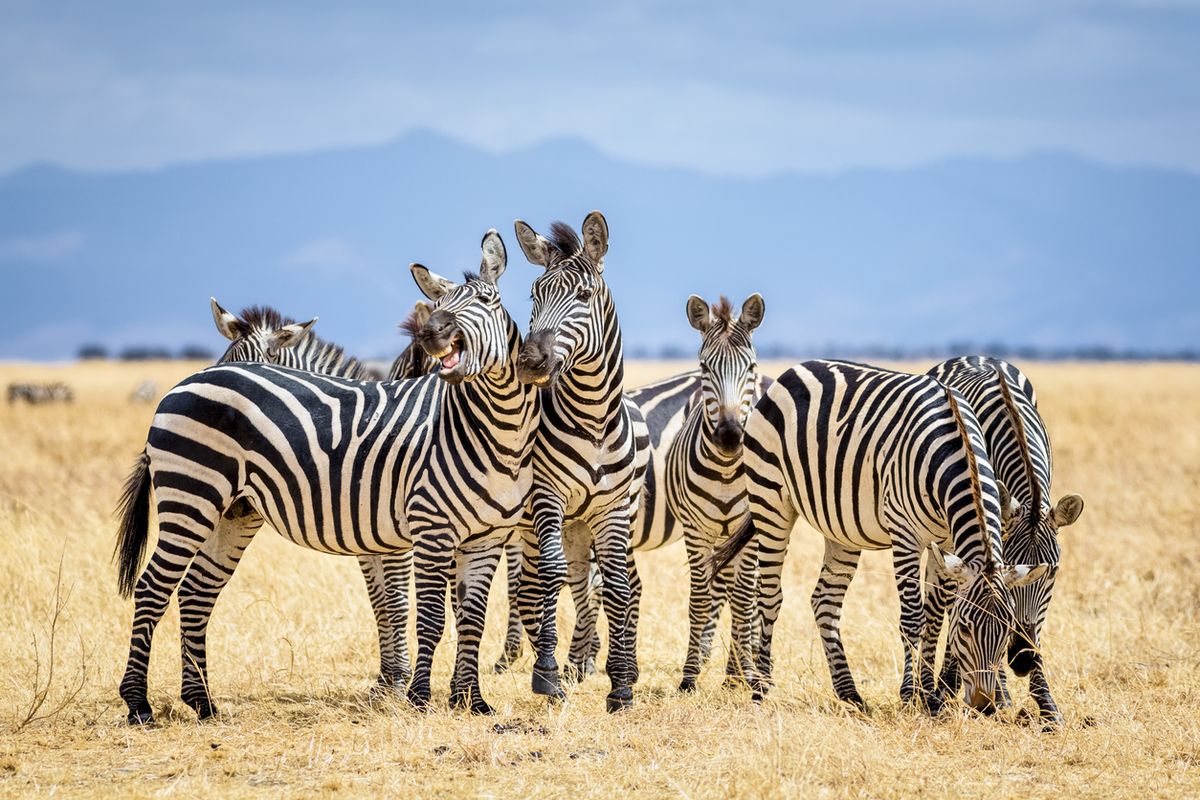
Zebras, those iconic striped wonders of the African savanna, have long fascinated wildlife enthusiasts with their unique adaptations. But did you know that these animals can sleep while standing, giving the illusion of sleeping while on the move? This remarkable ability isn’t just a quirky fact; it’s a survival strategy honed by evolution. In this article, we’ll dive deep into the world of zebras, exploring their sleep habits, biology, and the ecosystems they inhabit. Whether you’re a nature lover or just curious about animal behavior, prepare to be amazed by these vigilant herbivores.
Understanding Zebra Sleep Patterns
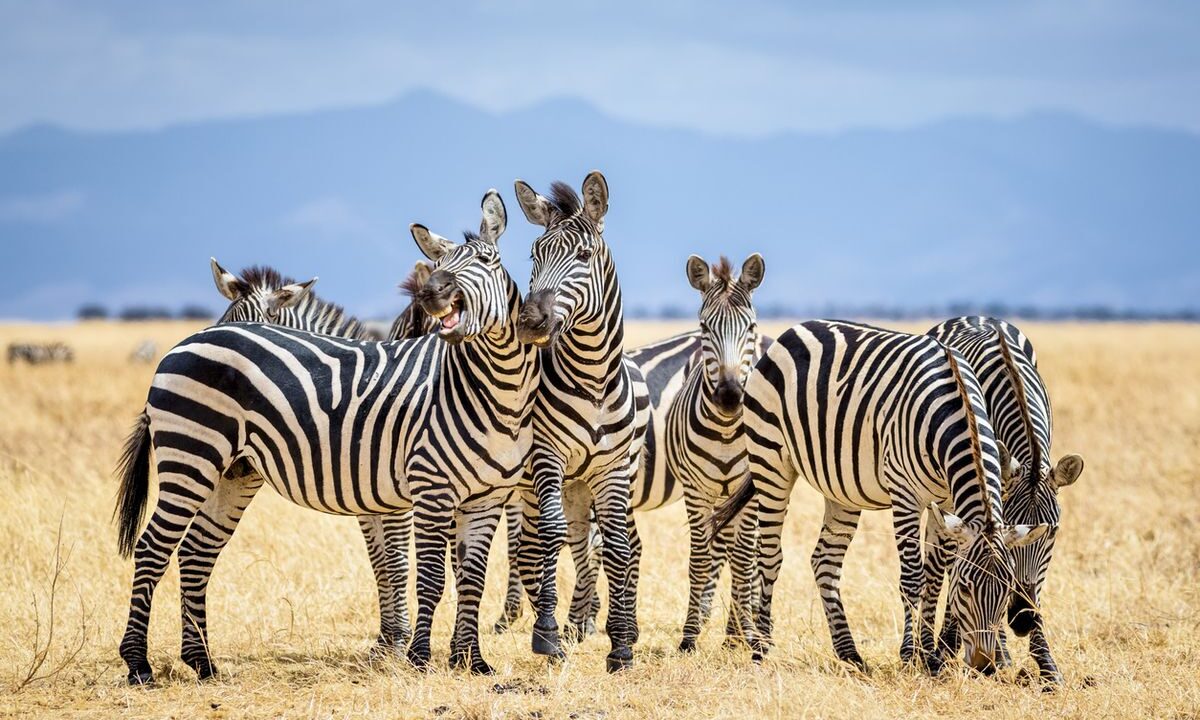
Zebras don’t truly sleep while walking in the deep REM sense, but they can enter a light sleep or doze while standing upright. This is made possible by a special anatomical feature called the “stay apparatus” in their legs. This mechanism locks their joints, allowing them to rest without collapsing. Unlike humans, who need hours of uninterrupted sleep, zebras snatch short naps totaling about 2-3 hours per day, often in brief 15-30 minute intervals. This fragmented sleep pattern keeps them alert to predators like lions and hyenas.
In the wild, zebras live in herds, and this social structure enhances their safety during rest. While some members doze standing, others remain watchful, rotating “guard duty.” Studies from organizations like the Smithsonian National Zoo show that captive zebras may lie down more often due to reduced threats, but wild ones prefer standing to enable quick escapes. This adaptation is crucial in open grasslands where visibility is high, but danger lurks everywhere.
The Biology Behind the Stripes and Sleep
Zebras belong to the Equidae family, sharing traits with horses and donkeys. There are three main species: Plains zebra (Equus quagga), Grevy’s zebra (Equus grevyi), and Mountain zebra (Equus zebra). Each has slight variations in sleep behavior, but all utilize the standing doze. Their stripes, once thought to be mere camouflage, are now believed to deter biting flies and regulate temperature, indirectly aiding their vigilant lifestyle.
From a physiological standpoint, zebras experience both slow-wave sleep (SWS) and rapid eye movement (REM) sleep. SWS can occur while standing, but REM—essential for deep rest—requires lying down, which they do only when feeling secure. Research published in the Journal of Zoology indicates that young foals sleep more lying down, gradually adopting the adult standing habit as they mature. This evolutionary trait ensures the herd’s survival in predator-rich environments like the Serengeti.
Zebras in Their Natural Habitat
Africa’s vast savannas, from Kenya’s Maasai Mara to South Africa’s Kruger National Park, are prime zebra territories. These animals migrate in massive herds during events like the Great Migration, covering thousands of miles in search of water and grass. During these treks, their ability to rest while standing is invaluable, as stopping fully could mean vulnerability.
Conservation efforts are vital, as zebras face threats from habitat loss, poaching, and climate change. Organizations like the World Wildlife Fund (WWF) work to protect these habitats, ensuring zebras can continue their unique sleep routines. Interestingly, zebras’ sleep patterns influence ecosystem dynamics; their grazing helps maintain grasslands, supporting other species.
Myths and Facts About Zebra Behavior
A common myth is that zebras sleep walking like somnambulists, but that’s inaccurate. They might move slowly while dozing, but true sleep walking isn’t observed. Another fact: Zebras communicate through body language during rest, using ear positions to signal alertness. In zoos, enrichment programs mimic wild conditions to encourage natural behaviors, including standing sleep.
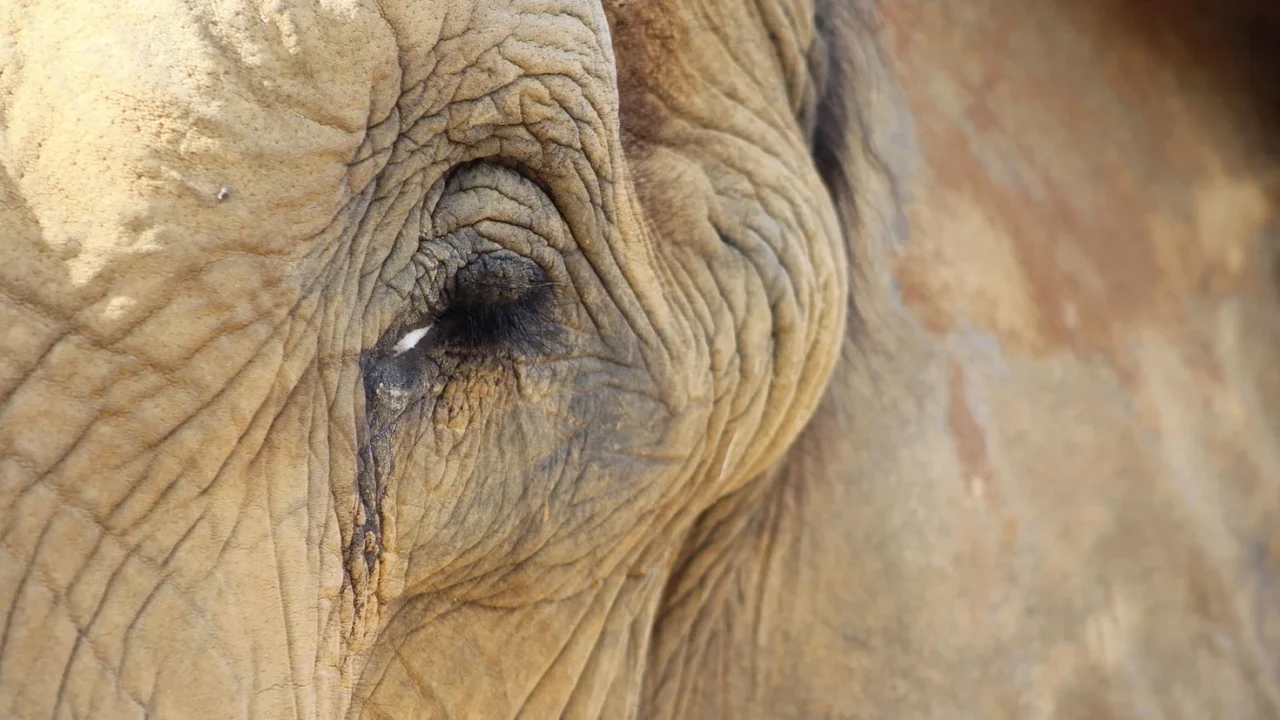
Comparing zebras to other animals, giraffes and elephants also nap standing, but zebras’ herd dynamics make theirs unique. Veterinary studies highlight how sleep deprivation affects health, emphasizing the importance of their adaptations.
Why Zebras’ Sleep Habits Matter to Us
Understanding zebra sleep offers insights into animal welfare and even human sleep disorders. Bio-mimicry could inspire innovations in fatigue management for professions like pilots or drivers. For eco-tourism, spotting a dozing zebra herd is a highlight of safaris, boosting economies in African nations.
In conclusion, zebras’ ability to sleep standing is a testament to nature’s ingenuity. It allows them to thrive in harsh environments, blending rest with readiness. Next time you see a zebra in a documentary or zoo, remember: those stripes hide a master of vigilant slumber.
