The Frog That Freezes Itself
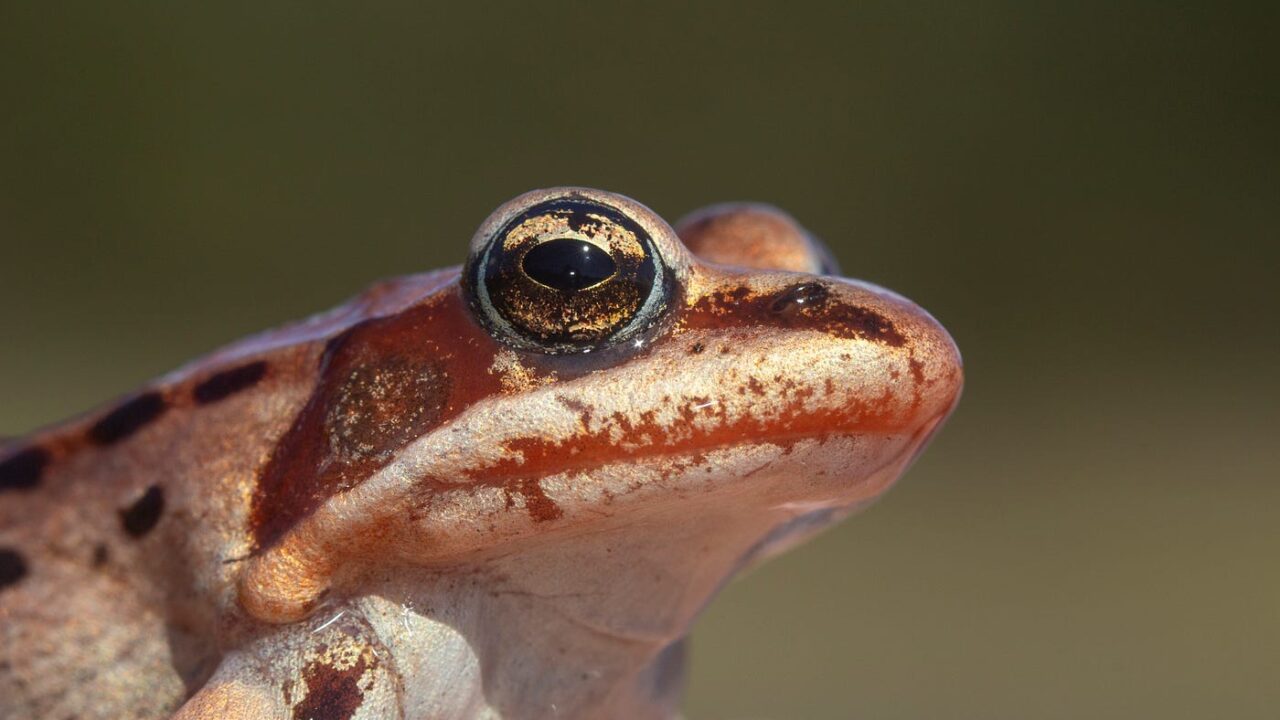
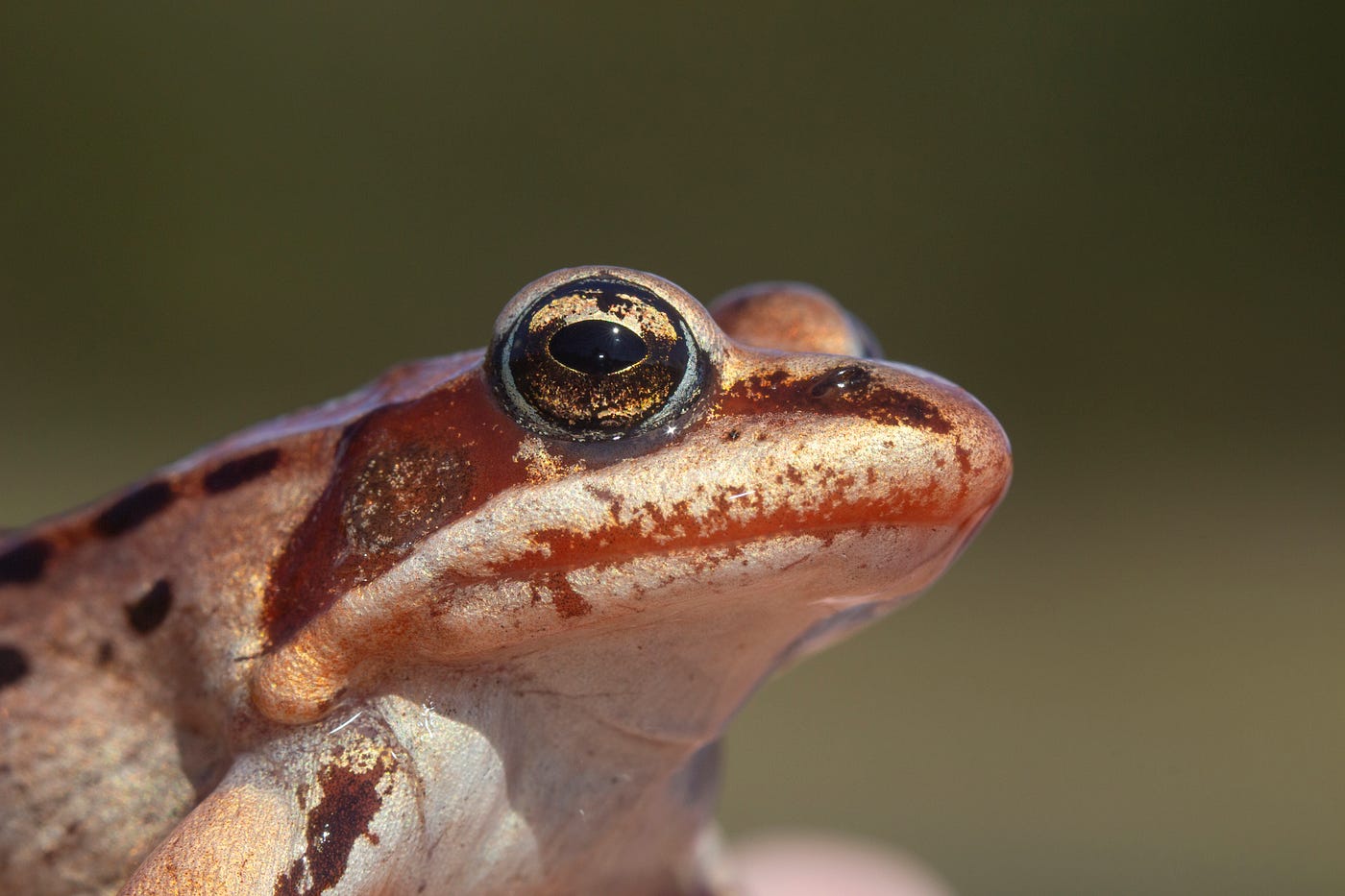
The Alaskan wood frog (Rana sylvatica) is one of nature’s most extraordinary survivors. Native to Alaska and northern Canada, this small amphibian can completely freeze solid during winter and return to life when temperatures rise.
Unlike most animals that escape extreme cold, this frog embraces it.
What Happens When It Freezes?
As winter arrives, the wood frog undergoes dramatic physical changes:
- Its body temperature drops below zero
- Ice forms beneath the skin and around organs
- Breathing and heartbeat stop
- Blood circulation pauses
This is not hibernation. The frog enters a state of suspended animation.
The Science Behind Its Survival
The key to survival lies in natural cryoprotectants.
When freezing begins, the frog rapidly releases large amounts of glucose into its bloodstream. This sugar acts like biological antifreeze, protecting cells from damage caused by ice crystals.
Up to 70 percent of the frog’s body water can freeze without killing it.
Scientists call this process freeze tolerance, a rare biological adaptation.
Life Beneath the Snow
During winter, Alaskan wood frogs hide beneath leaf litter or shallow soil. Unlike many amphibians that burrow deep, they remain close to the surface, allowing their bodies to freeze naturally.
They may stay frozen for weeks or even months.
Awakening in Spring
When temperatures rise:
- Ice melts from the frog’s tissues
- The heart begins beating again
- Breathing resumes
- Normal movement slowly returns
Within hours, the frog is fully active, hopping away as if nothing happened.
Why Scientists Study the Wood Frog
Researchers are deeply interested in this species because its abilities may help:
- Improve organ preservation for transplants
- Advance cryogenic medicine
- Develop treatments for trauma victims
- Understand cellular protection mechanisms
The wood frog offers real insight into how living tissues can survive extreme cold.
Habitat and Distribution
Rana sylvatica lives across:
- Alaska
- Northern Canada
- Parts of the northeastern United States
Its wide geographic range makes it an ideal subject for climate adaptation studies.
The Alaskan wood frog proves that life can thrive under conditions once thought impossible. By freezing and reviving each year, this remarkable amphibian expands our understanding of biology and survival.
