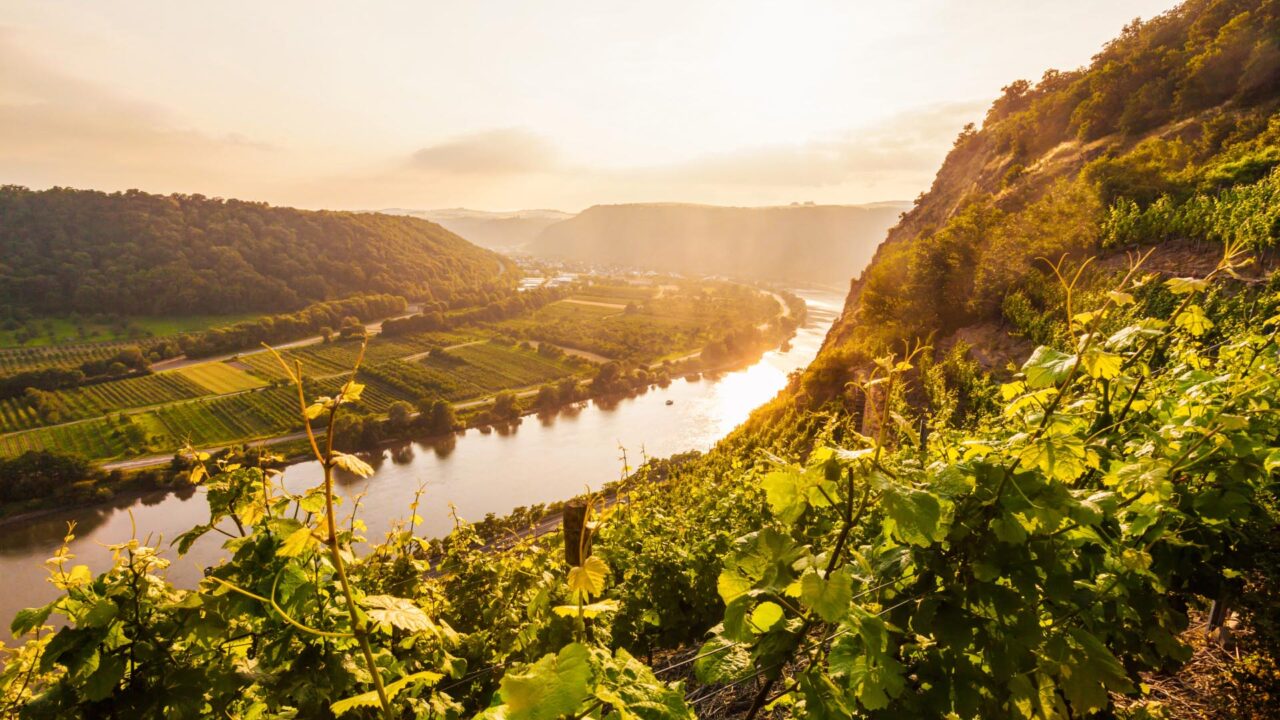
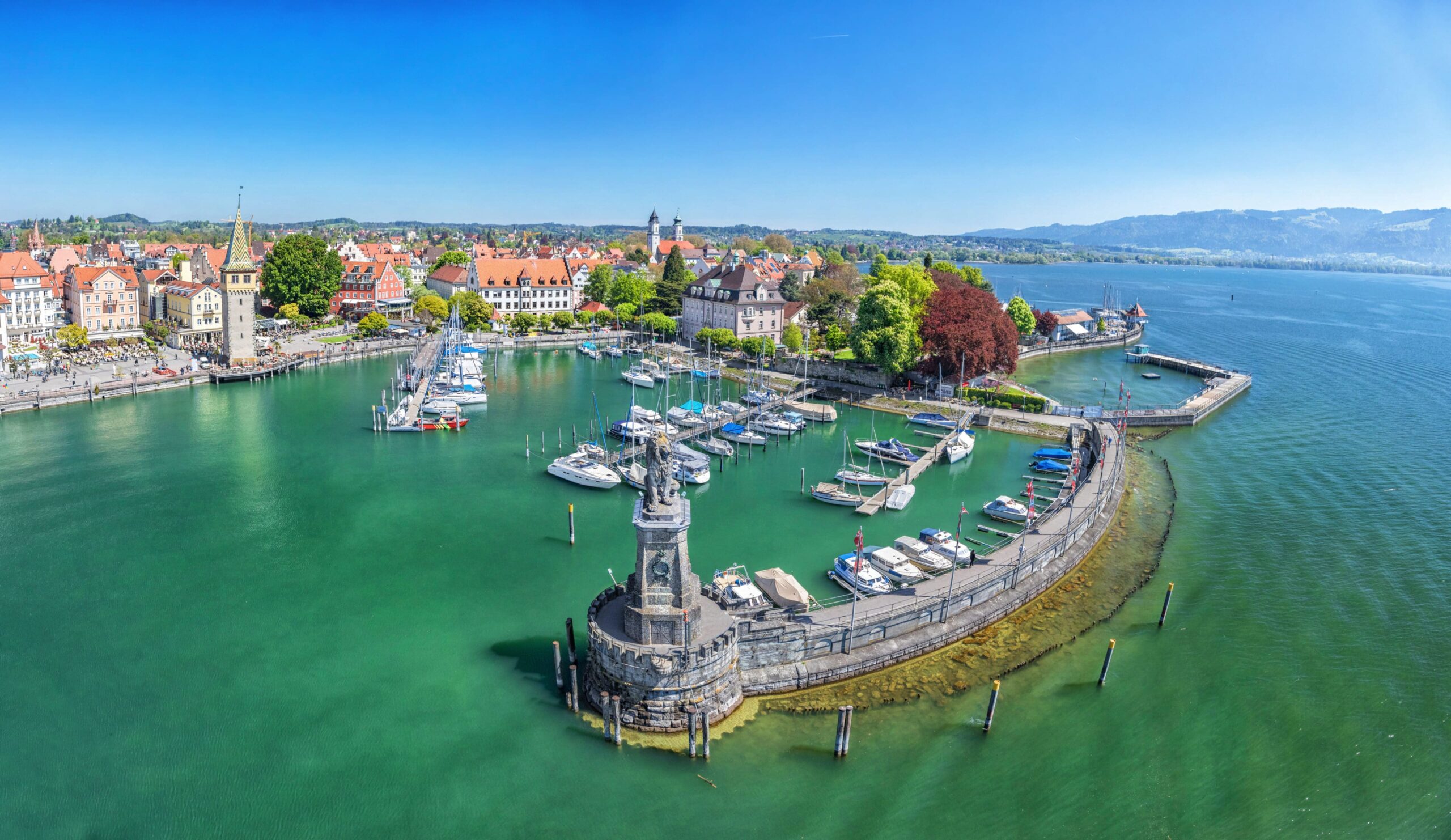
Bodensee, or Lake Constance, straddling Germany, Switzerland, and Austria in Baden-Württemberg, is Germany’s biggest lake at 536 square kilometers, offering crystal-clear waters, islands, and mountain views. Famous for its mild climate and vineyards, it’s a hub for boating, cycling, and medieval towns. For those exploring unique German waterways, Bodensee shines as a transnational gem blending leisure and history.
The Geography and Ecology of Bodensee
Formed by Rhine River glaciers, the lake’s three parts (Upper, Lower, and Seerhein) support diverse fish like whitefish and perch, plus bird sanctuaries. Its shores host Roman ruins and baroque abbeys, with the water staying drinkable due to natural filtration— a rare feat for such a large body.
What Makes Bodensee Truly Unique?
The lake’s international borders allow seamless cross-country ferries, with views of Swiss Alps and German vineyards. Islands like Mainau (flower paradise) and Reichenau (UNESCO monastic site) add cultural layers. Zeppelin flights overhead provide aerial perspectives, making it a multifaceted destination unlike smaller German lakes.
Tips for Visiting Bodensee
Base in Konstanz or Friedrichshafen; rent bikes for the 270-km lakeside path. Summer is best for swimming and festivals; ferries connect key spots like Meersburg Castle. Try local wines and fish; visit in spring for blooming orchards or autumn for harvest vibes.
Ultimately, Bodensee highlights one of Germany’s most expansive and scenic unique water bodies, perfect for relaxed explorers seeking alpine-lake serenity.
