

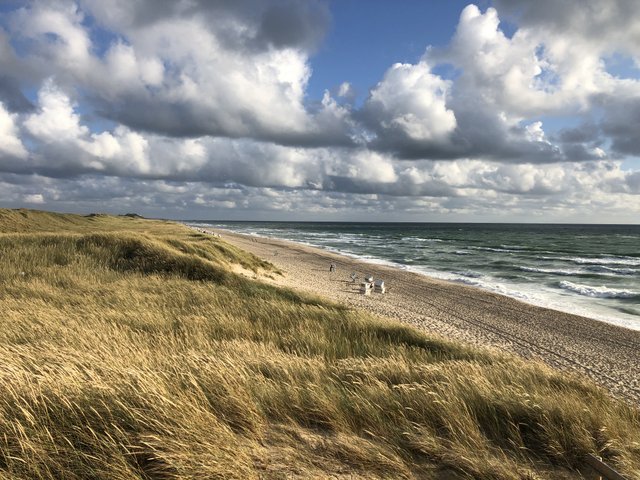
The Singing Sands of Sylt Island in Schleswig-Holstein represent one of Germany’s quirkiest coastal phenomena: beaches where the fine quartz sand produces a whistling or barking sound when walked upon, due to friction and air pockets. This North Frisian island’s windswept dunes and expansive shores create an auditory natural wonder, drawing visitors for its serene yet sonic seaside experience. Among unique German hewan and natural features, Sylt’s singing sands offer a sensory twist on beach relaxation.
The Science and Discovery of Singing Sands
Known scientifically as “acoustic emission,” the phenomenon occurs on certain dry, uniform sands worldwide, but Sylt’s version was noted by locals and scientists in the 19th century. The island’s unique geology fine-grained silica shaped by North Sea winds amplifies the effect, especially on beaches like Ellenbogen or Kampen, where the “singing” can be heard on calm days.
What Makes Sylt’s Singing Sands Unique?
The sands “sing” with each step, creating a melodic backdrop to the island’s dramatic cliffs, thatched-roof houses, and celebrity-frequented spas. Combined with Sylt’s status as Germany’s largest North Sea island, it features rare wildlife like seals and migratory birds, plus luxury beach chairs (Strandkörbe) for lounging amid the sounds. It’s a peaceful escape far from crowded Mediterranean spots.
Tips for Experiencing Singing Sands on Sylt
Access via train from the mainland (cars limited); head to quieter northern beaches like List for the best sound effects walk barefoot on dry sand. Visit in summer for warm weather or off-season for solitude. Combine with cycling the island’s paths or spotting seals at Ellenbogen nature reserve.
Ultimately, the Singing Sands of Sylt highlight one of Germany’s most whimsical and auditory unique natural attractions, perfect for beachcombers seeking a harmonious coastal adventure.
