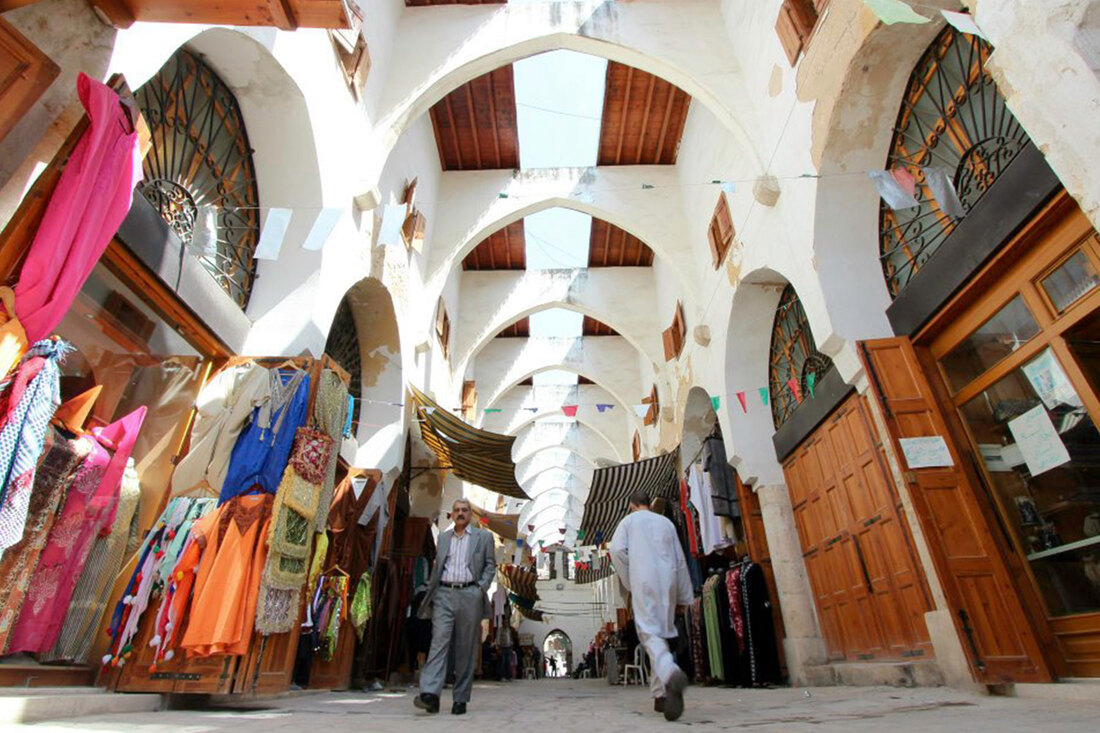
Tripoli’s old souks (Souk al-Haraj or Tripoli Souks) form Lebanon’s largest and most vibrant traditional marketplace, dating back to the Mamluk era (13th–16th centuries), where history and commerce intertwine in a labyrinth of alleys.
Also See : Man’oushe – Lebanon’s Beloved Za’atar Flatbread Breakfast Staple
This northern city’s souks boast:
- Over 9 kilometers of covered passages with shops selling spices, soaps, gold jewelry, textiles, and sweets like halawa
- Architectural highlights including Mamluk mosques (like Al-Muallaq Mosque), hammams (Turkish baths), and khans (caravanserais) with arched ceilings and stone facades
- Bustling atmosphere with artisans hammering copper, tailors sewing abayas, and vendors haggling over fresh produce
- Cultural events like Ramadan nights when the souks light up with lanterns and street food stalls
What makes Tripoli’s souks truly unique: Unlike Beirut’s modern malls, these are a living Mamluk-era time capsule the oldest continuously operating markets in Lebanon offering an authentic dive into medieval trade routes and local craftsmanship.
