



Lebanese culture is renowned for its culinary heritage, where food is not just sustenance but a communal ritual. At the heart of this is Mezze, a spread of small dishes that embodies the essence of Lebanese dining fresh, diverse, and meant for sharing. This tradition highlights the country’s Mediterranean influences and emphasis on fresh ingredients.
The Roots of Mezze in Lebanese Culture
Mezze has origins in the Ottoman Empire but has been uniquely adapted in Lebanon, reflecting the nation’s agricultural bounty and coastal location. It typically starts a meal, allowing diners to sample a variety of flavors before the main course. In Lebanese homes and restaurants, Mezze is a sign of generosity, with hosts preparing elaborate arrays to welcome guests. This practice underscores the value placed on family and social connections in Lebanese society.
Also See : Man’oushe – Lebanon’s Beloved Za’atar Flatbread Breakfast Staple
What Makes Up a Traditional Mezze Spread
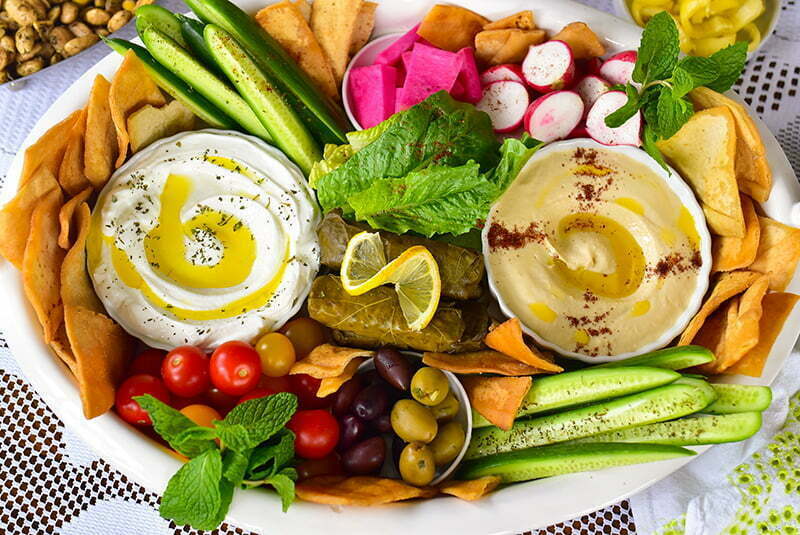
A classic Lebanese Mezze includes an assortment of dips like hummus (chickpea puree with tahini), baba ghanoush (smoky eggplant dip), and labneh (strained yogurt). Accompaniments feature tabbouleh (parsley and bulgur salad), fattoush (crispy bread salad), stuffed grape leaves (warak enab), and falafel. Fresh vegetables, olives, and warm pita bread round out the platter, often drizzled with olive oil and sprinkled with za’atar. The key is variety cold and hot, vegetarian and sometimes meat-based creating a symphony of tastes.
Mezze’s Role in Lebanese Social Life
Beyond the table, Mezze represents Lebanese hospitality, where meals can last hours, fostering conversations and bonds. It’s common during holidays like Ramadan or family gatherings, emphasizing sharing and abundance. For those exploring “Lebanese food traditions,” Mezze offers a delicious entry point into the culture, inviting everyone to partake in this unique ritual of flavor and fellowship.
