Lebanon’s multicultural fabric shines during religious observances, and Ramadan exemplifies this with its blend of fasting, feasting, and community spirit. This holy month, observed by Muslims but embraced by all, involves daily fasting from dawn to dusk, emphasizing spiritual growth, charity, and family bonds. Unique Lebanese twists include interfaith iftars and festive night markets, making it a time of national unity. For queries like “Ramadan in Lebanon” or “Lebanese religious traditions,” exploring these customs reveals the country’s harmonious diversity.
Also See : Tawleh – The Timeless Game of Backgammon in Lebanese Culture
The Origins and History of Ramadan in Lebanon
Ramadan commemorates the Quran’s revelation to Prophet Muhammad, with fasting as one of Islam’s pillars. In Lebanon, it arrived with Arab conquests, evolving under Ottoman rule into a communal event. Historically, crescent sightings marked its start, a tradition called “Istibanat Ramadan.” Lebanon’s religious mix made it inclusive, with Christians joining festivities. Over centuries, it incorporated local foods and gatherings, surviving conflicts as a symbol of resilience.
How Ramadan is Observed in Lebanon
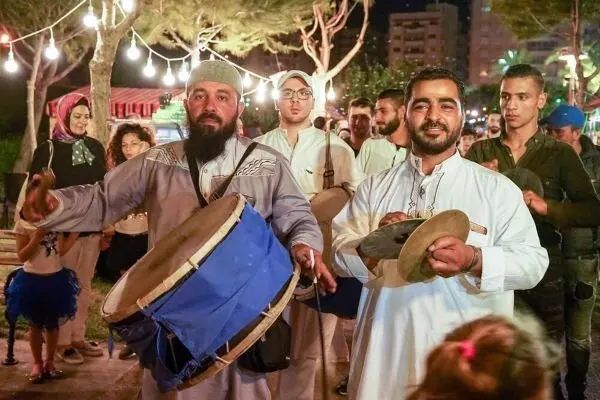
Fasting begins with suhoor before dawn and ends with iftar at sunset, often starting with dates and soup. Iftars feature mezze, rice dishes, and sweets like qatayef. Night prayers and storytelling sessions follow. In cities like Tripoli, markets bustle with lanterns and treats. Charities host interfaith dinners.
The Cultural Significance of Ramadan
It promotes empathy, charity, and unity, bridging sects. Family gatherings reinforce bonds. It highlights hospitality through shared meals.
Ramadan in Modern Lebanon
Despite challenges, it thrives with fundraising iftars and vibrant nights. Media and tourism promote its inclusivity. For “Lebanese Ramadan customs,” it embodies enduring spirit.
