


Lebanon, with its blend of ancient history and diverse influences, harbors a variety of superstitions and protective rituals that are integral to daily life. Among these, the belief in the Evil Eye, known locally as “ayn al-hasud,” stands out as a unique cultural tradition that transcends religious boundaries. This widespread notion posits that envy or ill intentions from others can cause harm, misfortune, or bad luck, prompting Lebanese people to employ various amulets, phrases, and rituals for protection. Often seen in homes, cars, and on personal jewelry, this tradition reflects Lebanon’s deep-rooted folklore and communal resilience. For those searching “Lebanese superstitions” or “Evil Eye in Middle Eastern culture,” understanding this belief provides a window into the protective ethos that shapes social interactions in Lebanon.
The Origins and History of the Evil Eye in Lebanon
The Evil Eye belief has ancient origins, dating back to pre-Islamic times in the Arabian Peninsula and spreading through the Mediterranean and Middle East via trade and conquests. In Lebanon, it draws from Phoenician, Assyrian, and Ottoman influences, where it was seen as a supernatural force caused by jealousy or admiration without proper blessings. Historical records indicate that similar protective practices were used by ancient civilizations like the Romans and Greeks, but in the Levantine context, it evolved into a folk tradition intertwined with Arab culture.
In Lebanese folklore, the Evil Eye is believed to affect vulnerable individuals, such as children, the beautiful, or the successful, leading to illnesses, accidents, or failures. This fear stems from the idea that envy emits harmful energy, a concept embedded in social norms where compliments are tempered to avoid invoking it. During the Ottoman era, amulets became commonplace, and the tradition persisted through colonial periods, blending with Christian and Muslim practices. For instance, in rural areas, families would perform rituals to ward it off from newborns or newlyweds. Today, it remains a living heritage, recognized in broader Middle Eastern contexts but uniquely adapted in Lebanon with local symbols and sayings.
The belief’s endurance highlights Lebanon’s cultural syncretism, where ancient superstitions coexist with modern life, influencing everything from child-rearing to business dealings. Scholars trace its roots to protective magic in ancient Mesopotamia, making it one of the oldest continuous traditions in the region.
How the Evil Eye is Warded Off in Lebanese Tradition
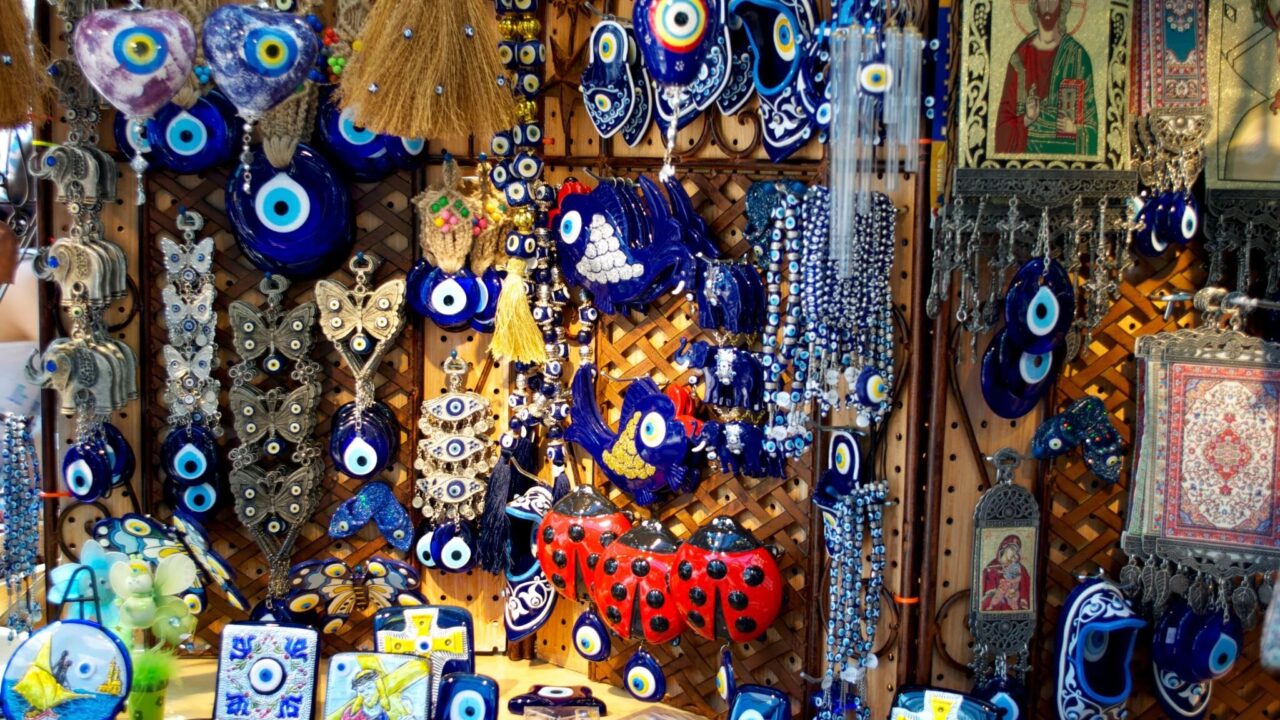
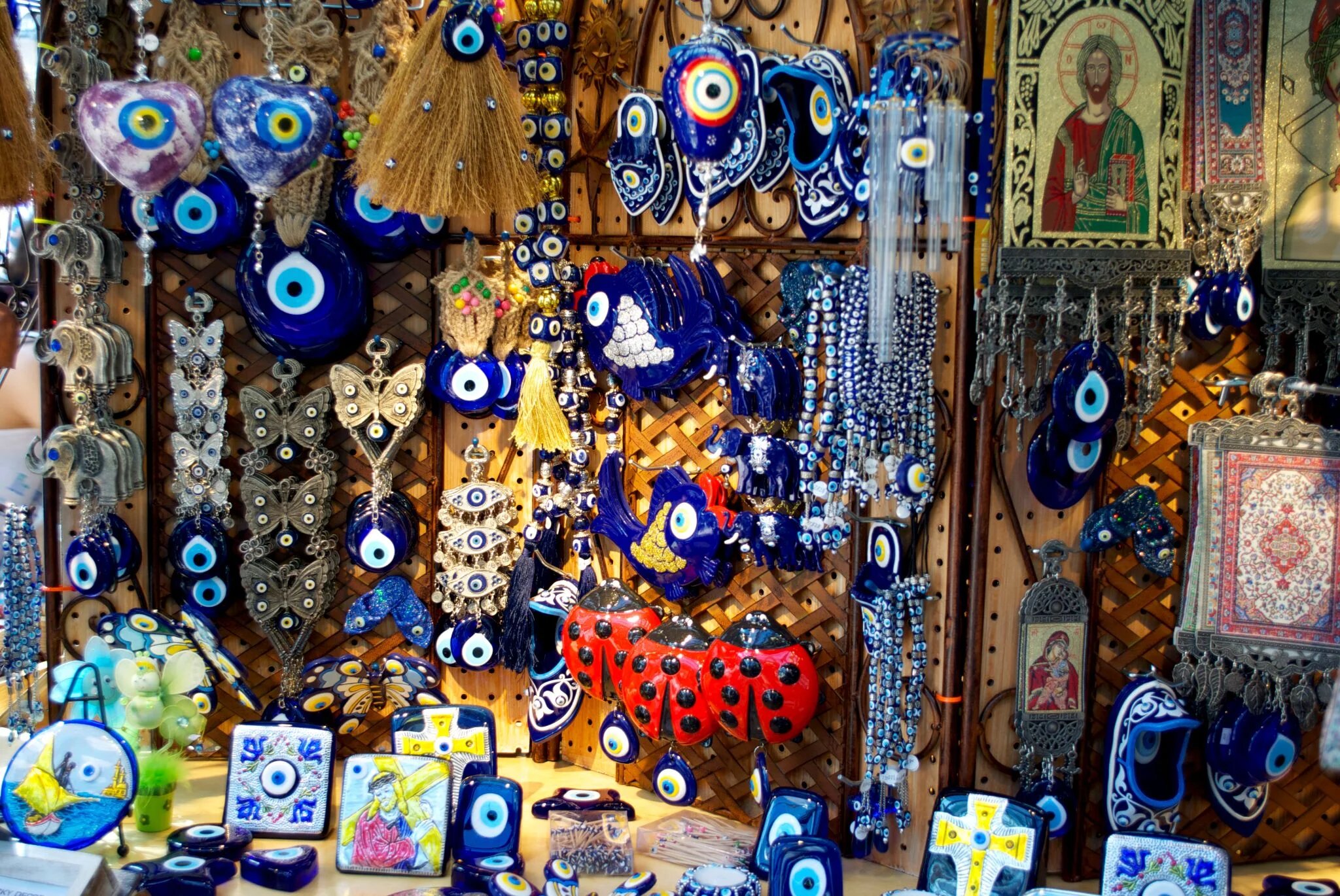
In Lebanon, protection against the Evil Eye involves a mix of amulets, verbal expressions, and rituals. The most iconic is the blue “nazar” bead, a glass eye-shaped charm hung in homes, cars, or worn as jewelry to reflect harm back to the sender. These are often placed over doorways or on cribs to safeguard infants. Verbal safeguards include saying “Masha’Allah” (God has willed it) after compliments to deflect envy. Another phrase, “TabarakAllah,” invokes divine blessing.
Rituals might involve burning incense like agarwood or reciting prayers. In some families, elders perform “ruqyah” (healing recitations) or use black seeds for cleansing. For newborns, pins with blue beads are attached to clothing. These practices are communal, often shared during family gatherings.
The Cultural Significance of the Evil Eye Belief
This tradition underscores values like humility and community, encouraging tempered praise to maintain harmony. It fosters unity across sects, as both Christians and Muslims incorporate it. Symbolically, it represents resilience against adversity. In literature and art, it’s a motif reflecting cultural identity.
The Evil Eye in Modern Lebanon
Today, the belief persists amid urbanization, with nazar charms in fashion and decor. Social media spreads awareness, blending tradition with contemporary life. It boosts artisan crafts and tourism. For “Lebanese cultural protections,” it remains a vibrant safeguard.
