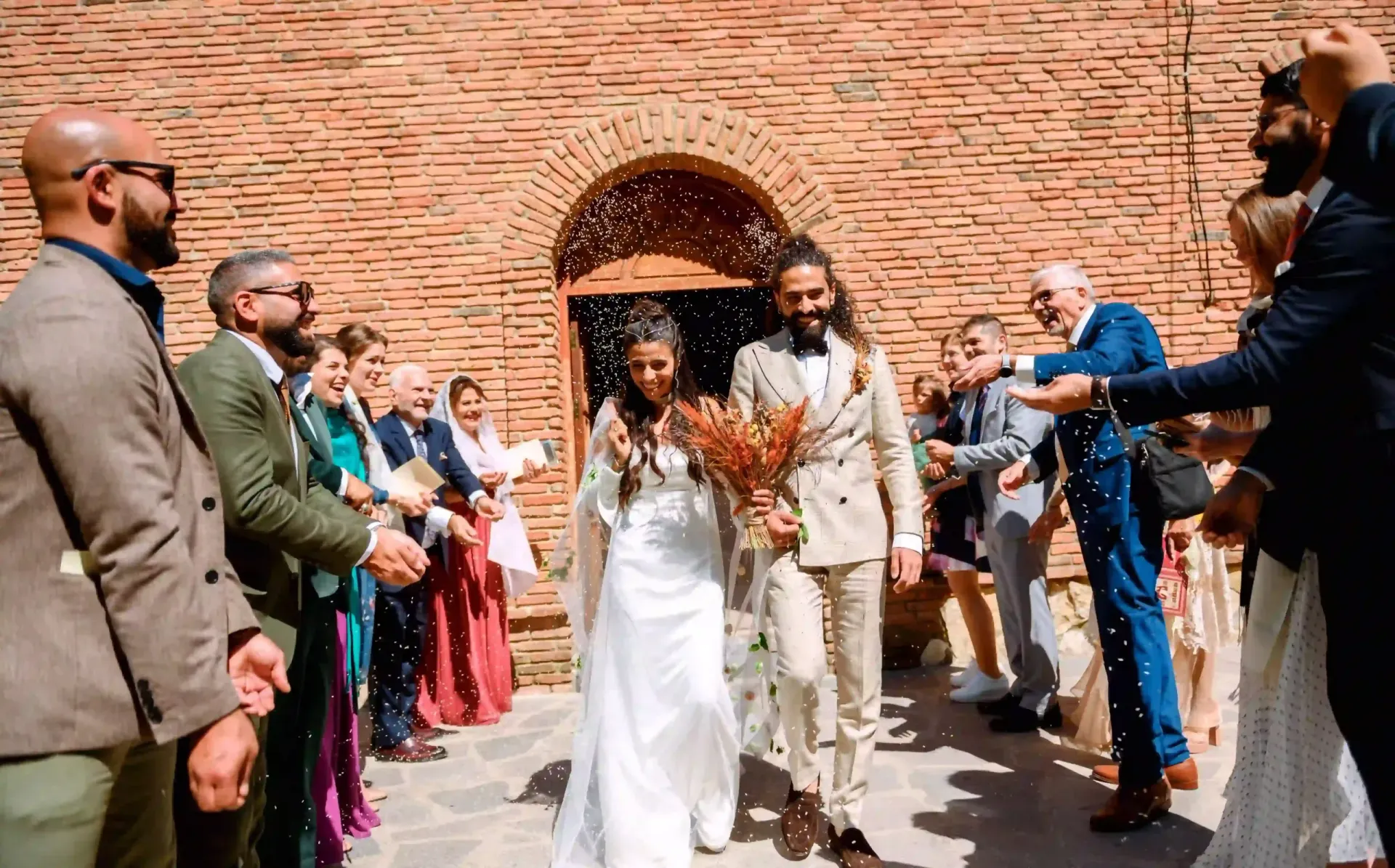
Lebanese weddings are renowned for their extravagance and deep-rooted customs that blend joy, family, and symbolism. Among these, Laylieh, or the Henna Night, emerges as a cherished pre-wedding ritual focused on blessing the couple with prosperity and protection. This women-centric celebration, filled with music, dance, and intricate henna designs, reflects Lebanon’s rich cultural tapestry. If you’re searching for “Lebanese wedding customs” or “unique Middle Eastern traditions,” Laylieh offers a fascinating insight into the heartfelt preparations that precede the big day.
The Origins and History of Laylieh
Laylieh traces its origins to ancient Arabic and Turkish influences, where henna was used for adornment and protection against evil spirits. Dating back to pre-Islamic eras, henna ceremonies were part of wedding rituals in the Middle East, symbolizing fertility and good fortune. In Lebanon, it evolved under Ottoman rule, becoming a staple in Levantine weddings. Historical evidence from Egyptian and Mesopotamian cultures shows henna’s use in skin decoration for auspicious events.
Over time, Laylieh became a family affair, often held the night before the wedding, incorporating local songs and dances. In regions like Baalbek, it gained specific customs, such as the henna tray procession, passed down through generations. The tradition waned in urban areas but revived recently, blending with modern elements while honoring heritage. It’s recognized as intangible cultural heritage, shared across Islam, Judaism, and Hinduism-influenced societies.
In Lebanese diaspora communities, Laylieh preserves cultural ties, adapting to new environments without losing its essence.
How Laylieh is Performed
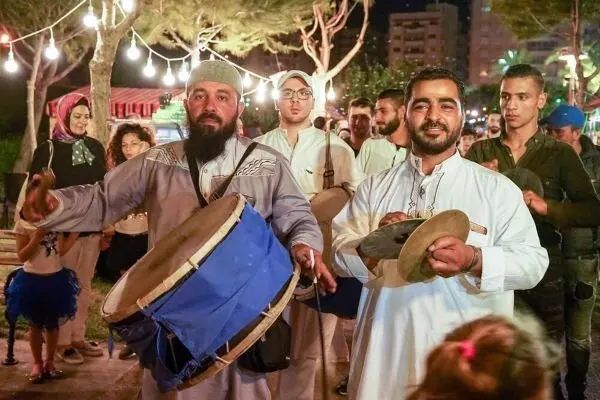
Laylieh typically occurs one or two nights before the wedding, starting as a women-only gathering at the bride’s home. Guests sing traditional songs like “Aghani Banat” and dance dabke, creating a festive atmosphere. The highlight is applying henna: Intricate designs on the bride’s hands and feet symbolize luck and fertility. In some customs, the groom joins later, dipping pinkies into henna.
Elders wrap the henna-clad fingers with white cloth or gold for purity and prosperity. Guests offer “Naqout” – monetary gifts announced aloud – blessing the couple. The henna tray, decorated with flowers and candles, is paraded with chants like “Jibou el-Henna.” Sweets and mezze enhance the evening.
Modern variations include professional henna artists and themed decorations.
The Cultural Significance of Laylieh in Lebanese Society
Laylieh represents the bride’s farewell to her family, fostering bonds and invoking blessings. Henna symbolizes protection, joy, and new beginnings. It empowers women, centering them in rituals amid patriarchal structures. In diverse Lebanon, it unites families across backgrounds.
It preserves folklore through songs and dances, influencing cultural narratives.
Laylieh in Modern Lebanon “Adaptation and Revival”
Contemporary Laylieh blends tradition with luxury, often at venues with live music. Social media showcases designs, attracting global interest. Despite challenges, it endures as a symbol of resilience. For “Lebanese henna traditions,” Laylieh invites exploration of enduring cultural magic.
