
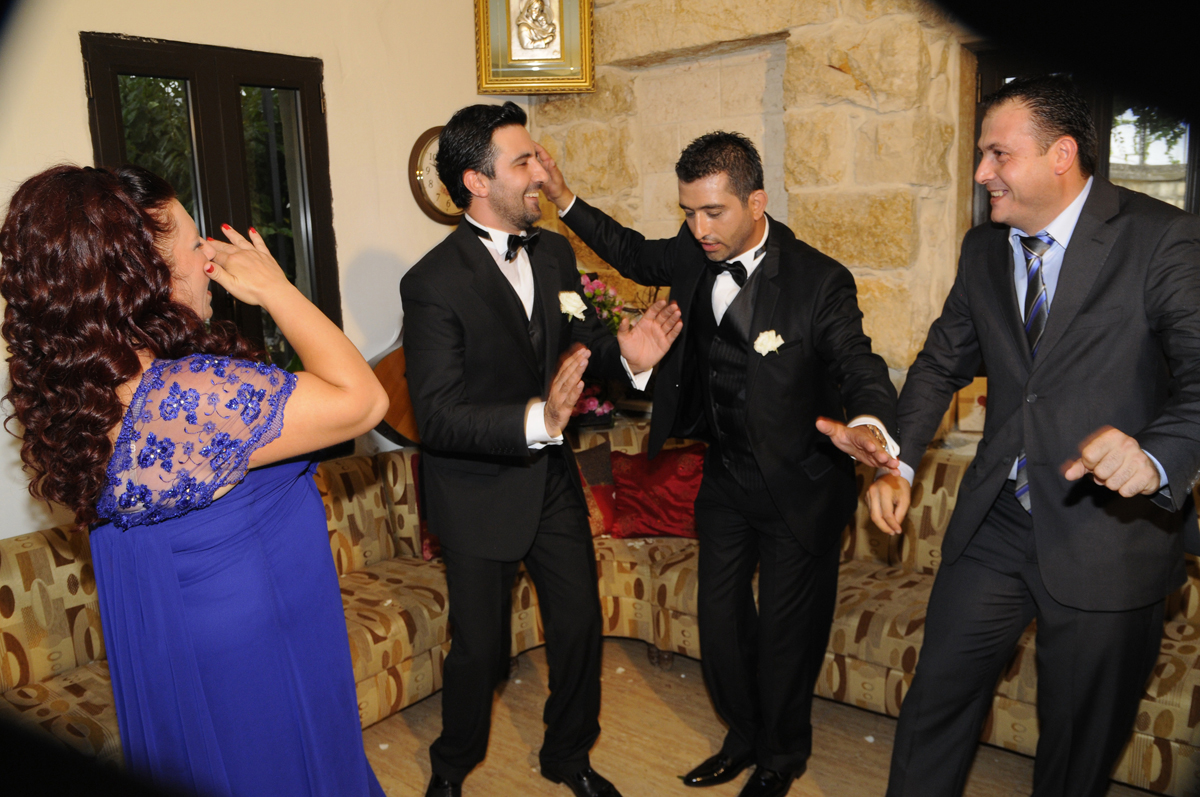
Lebanon’s cultural heritage is a vibrant blend of ancient rituals and communal expressions that bring people together in moments of celebration. One such unique tradition is Zalghouta, a high-pitched ululation performed primarily by women to express overwhelming joy and pride. This distinctive sound, often heard at weddings, graduations, and family gatherings, encapsulates the emotional depth and communal spirit of Lebanese society. For those exploring “Lebanese wedding traditions” or “unique Arab cultural practices,” Zalghouta stands as a powerful symbol of heritage and emotion, resonating across generations.
The Origins and History of Zalghouta
Zalghouta, also known as Zaghrouta in some Arab dialects, has roots that trace back to pre-Islamic times in the Arabian Peninsula. It originated as a form of ululation used by women during raids or battles to boost morale, evolving into a celebratory expression in social contexts. In Lebanon, it became integral to Levantine culture, influenced by ancient Arabian and Ottoman traditions. Historical evidence suggests it dates back thousands of years, with women using it to invoke relief, mercy, or joy in rituals involving idols or community events.
Over centuries, Zalghouta has been preserved as a women’s tradition, amplifying their presence in male-dominated spaces like villages where men performed dances or poetry. In the 20th century, as Western influences crept into celebrations, Zalghouta remained a steadfast nod to heritage, recognized as part of the intangible cultural practices in the Middle East and Africa. It shares similarities with other global expressions, like the Kiwi Haka, but is uniquely tied to Arab women’s emotional storytelling. In Lebanon, it has been passed down through families, with elders teaching younger women the art, ensuring its survival amid modernization.
This tradition’s endurance highlights Lebanon’s resilience, where ancient sounds continue to echo in contemporary life, blending with music and dance at events. Scholars note its role in pre-Islamic idolatry rituals, transitioning to Islamic-era celebrations without losing its core essence. Today, it represents a bridge between past and present, embodying the cultural diversity of Lebanon’s regions, from coastal cities to mountainous villages.
How Zalghouta is Performed
Performing Zalghouta requires skill, involving a high-pitched, wavering vocal sound produced by rapidly moving the tongue back and forth while emitting a loud trill. It often starts with poetic verses or blessings tailored to the occasion, culminating in the iconic “lililililili” sound. Women, typically mothers, aunts, or grandmothers, gather around the bride or celebrant, chanting short improvisations before the trill. The sound is loud and emotional, lasting a few seconds but carrying profound sentiment.
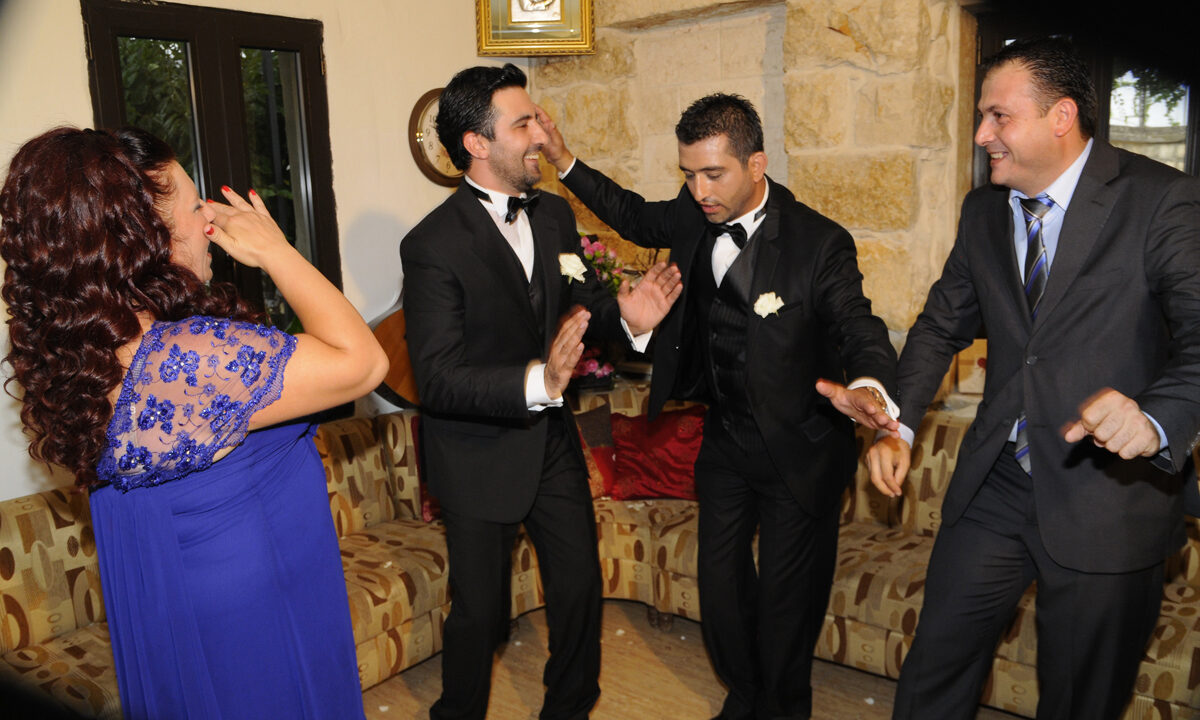
In weddings, it’s performed when the bride leaves her family home or during the zaffe procession, with multiple women joining in harmony. Not everyone can achieve the high notes, making it a distinct ability honed through practice. Accompaniments might include drumbeats or flutes, enhancing the festive atmosphere. In funerals or somber events, a variant honors the deceased, but its primary use is celebratory.
Modern tutorials on social media demonstrate the technique, emphasizing breath control and tongue agility. It’s inclusive, with women of all ages participating, creating a chorus that fills the air with energy.
The Cultural Significance of Zalghouta in Lebanese Society
Zalghouta symbolizes love, pride, and farewell, particularly at weddings where it marks the bride’s transition. It empowers women, placing them at the forefront of celebrations and preserving their role as cultural custodians. In Lebanon’s diverse society, it unites people across sects, fostering community and shared joy. It also serves as a good luck charm, warding off evil and invoking blessings.
In folklore, it’s tied to emotional expression, influencing literature and media depictions of Arab joy. Its absence is seen as bad luck, underscoring its ritual importance. Globally, it represents Arab heritage, often featured in diaspora events.
Zalghouta in Modern Lebanon – Evolution and Preservation
Today, Zalghouta thrives in weddings and festivals, adapting to pop influences while retaining authenticity. Social media amplifies it, with videos teaching the art to younger generations. Amid challenges, it offers solace and unity. Tourists experience it at cultural events, highlighting Lebanon’s vibrant traditions. For “Lebanese cultural sounds,” Zalghouta remains an enduring emblem of joy and heritage.
