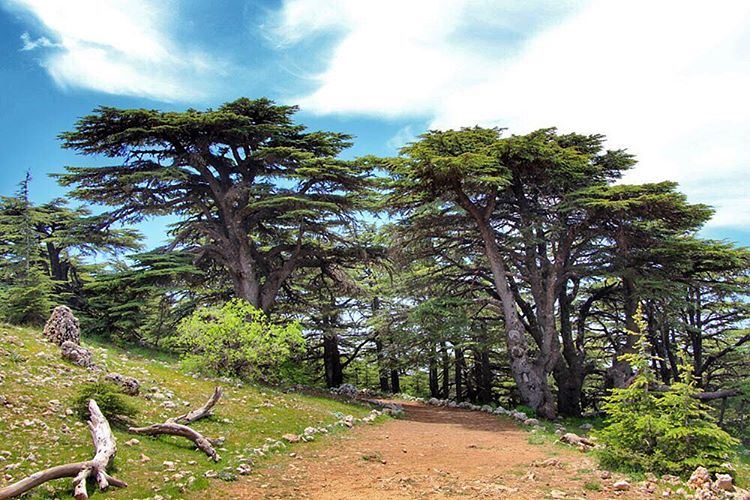
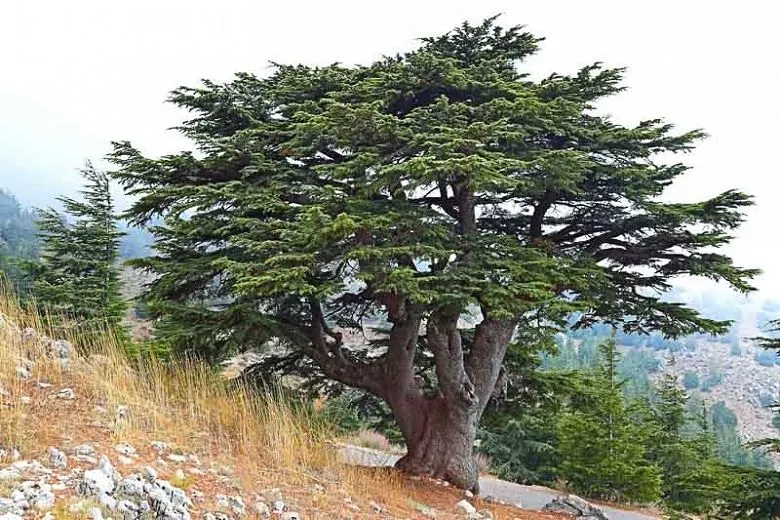
Lebanon’s cultural identity is deeply intertwined with its natural landscapes, where ancient symbols like the cedar tree hold profound significance. The tradition of cedar tree rituals, encompassing planting, honoring, and symbolic ceremonies around these majestic trees, represents eternity, resilience, and national pride in Lebanese heritage. Featured on the national flag, the cedar is more than flora; it’s a living emblem of the country’s history and spirit. For those exploring “Lebanese cedar traditions” or “unique symbols in Lebanon,” these rituals offer a deep dive into how nature shapes cultural practices in this Mediterranean nation.
The Origins and History of Cedar Tree Rituals
The cedar tree’s reverence in Lebanon dates back over 4,000 years, mentioned in ancient Sumerian texts and the Epic of Gilgamesh as a sacred resource. Phoenicians harvested cedars for shipbuilding and temples, exporting them to Egypt and Mesopotamia, viewing them as divine gifts. Biblical references in the Old Testament describe cedars as symbols of strength and beauty, used in Solomon’s Temple. Romans and Ottomans continued exploitation, leading to deforestation, but protective rituals emerged in Maronite communities, where cedars were planted in churchyards for blessings.
In the 19th century, amid Ottoman rule, poets like Gibran Khalil Gibran immortalized cedars in literature, fostering nationalistic rituals. Post-independence in 1943, the cedar became Lebanon’s flag symbol, inspiring annual planting ceremonies. Reserves like the Cedars of God in Bsharri, a UNESCO site, host rituals dating to ancient times, with trees over 1,500 years old. Druze and Christian sects incorporated cedar blessings into festivals, using branches for protection. Historically, rituals involved circling trees for fertility or carving symbols for longevity. These practices survived invasions, symbolizing Lebanon’s enduring spirit.
Also See : Tawleh – The Timeless Game of Backgammon in Lebanese Culture
How Cedar Tree Rituals are Performed
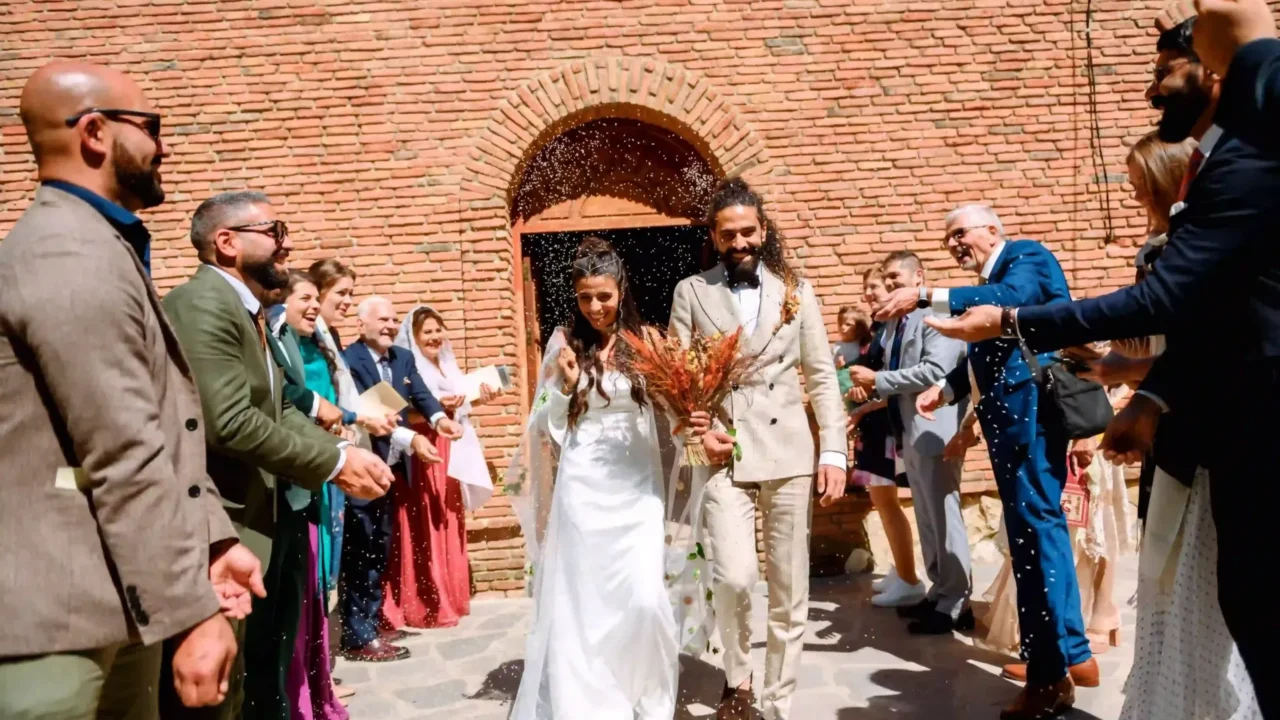
Cedar rituals vary by region but center on planting and honoring. In Bsharri, annual festivals involve processions to groves, where participants plant saplings while reciting prayers or poems. Elders lead, sprinkling holy water or olive oil at roots for growth. Families tie ribbons with wishes to branches, a custom blending pagan and religious elements. During weddings, couples plant cedars symbolizing eternal love.
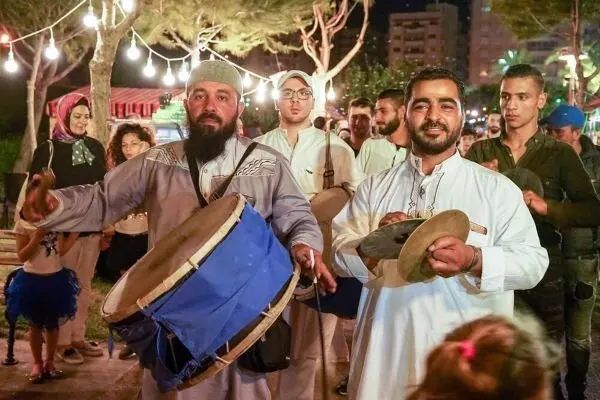
In reserves, guided tours include meditative walks, touching bark for blessings. Tools are simple: shovels, seeds from ancient trees, and incense for purification. Music with oud and derbake accompanies, evoking ancestral connections. Modern adaptations include eco-rituals with school groups planting for reforestation. The ritual fosters mindfulness, with participants sharing stories under canopies.
The Cultural Significance of Cedar Tree Rituals in Lebanese Society
Cedars embody immortality and national unity in Lebanon, transcending religious divides. Rituals reinforce community ties, especially in mountainous areas where trees provide livelihood through tourism and woodcraft. They symbolize resistance, as during civil wars, people protected groves as cultural sanctuaries. In folklore, cedars are guardians, with tales of spirits inhabiting them. Ecologically, rituals promote conservation, highlighting cedars’ role in biodiversity.
Globally, they represent Lebanese diaspora, with cedars planted abroad for homeland connection. In art and literature, cedars inspire, from paintings to songs celebrating their majesty. These rituals teach values like patience, as trees grow slowly, mirroring life’s enduring nature.
Cedar Tree Rituals in Modern Lebanon: Preservation and Adaptation
Contemporary Lebanon sees cedar rituals evolving amid environmental threats like climate change and urbanization. Organizations like the Lebanon Reforestation Initiative host mass plantings, blending tradition with science. Tourism boosts, with visitors joining rituals in Bsharri for authentic experiences. Social media shares videos, raising awareness globally. Challenges include deforestation, but government protections and UNESCO status aid preservation.
In urban areas, symbolic rituals use cedar branches in homes or events. For “cedar tree customs in Lebanon,” these rituals remain a vital link to ancestral wisdom and future sustainability.
