
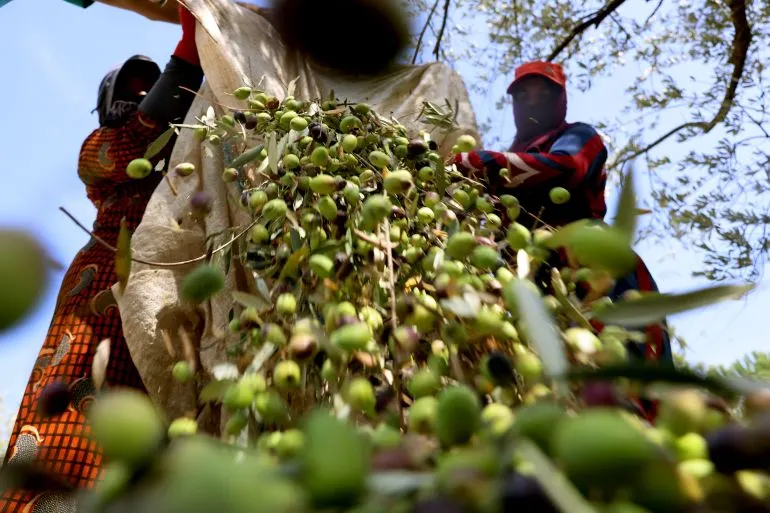
Lebanon’s landscape is dotted with ancient olive groves that tell stories of millennia-old traditions. The olive harvest, a seasonal ritual blending hard work, family reunions, and cultural pride, is a cornerstone of Lebanese rural life. This unique practice not only produces world-renowned olive oil but also reinforces bonds and heritage in a nation where the olive tree symbolizes peace and endurance. If you’re querying “Lebanese olive harvest traditions” or “olive picking in Lebanon,” this custom reveals the heart of the country’s agricultural soul.
The Origins and History of Olive Harvesting in Lebanon
Olive cultivation in Lebanon dates back over 6,000 years, predating the Phoenicians who spread it across the Mediterranean. Archaeological evidence from the southern Levant shows domestication around 3500 BCE, with the region becoming a key production center through Canaanite and Phoenician eras. In ancient times, olives contributed to economic prosperity, with the Bekaa Valley serving as Rome’s grain silos and olive hub. The Phoenicians innovated pressing techniques, exporting oil widely.
Historically, the harvest was a communal event, with families gathering in October-November to pick from trees averaging 150 years old. In the Ottoman period, it sustained rural economies, and post-independence, it became a national symbol. Covering 58,000 hectares, with 41% in the north and 36% in the south, olives are integral to Lebanese identity. Ancient trees, some millennia old in the south, underscore this legacy. The tradition has survived wars, with farmers defying conflicts to harvest, viewing it as an act of resistance.
Also See : Tawleh – The Timeless Game of Backgammon in Lebanese Culture
How the Olive Harvest is Performed
The harvest remains largely traditional, starting in autumn when families reunite in groves. Olives are hand-picked or gently shaken with long sticks onto nets below, avoiding damage to branches. This method preserves tree health, unlike mechanical shakers that bruise fruit. Workers sort ripe olives from unripe, discarding damaged ones on-site.
Olives are then transported to local presses for cold-pressing into oil, emphasizing quality. In rural areas, families with fewer trees hire help, but it’s a joyful affair with picnics and songs. Terracing and hand-harvesting prevail, nurturing each olive carefully. The process fosters community, with diaspora returning annually.
The Cultural Significance of Olive Harvesting in Lebanese Society
The olive harvest symbolizes resilience, peace, and unity in Lebanon. Trees represent strength, with farmers viewing them as family heirlooms. It reunites families, bridging urban-rural divides and fostering bonds. Economically vital, it supports cuisine and exports, with oil described as fruity and robust. Culturally, it’s tied to Mediterranean heritage, influencing art and folklore.
In times of war, harvesting becomes defiance, preserving national pride. It’s a source of pride, with olives integral to daily life and holidays.
Olive Harvesting in Modern Lebanon “Challenges and Continuity”
Contemporary challenges include climate change, with rain-dependent trees facing droughts. Wars disrupt access, destroying groves. Yet, initiatives modernize presses and combat fraud, building a national brand. Tourism promotes harvests, inviting visitors to participate. The tradition endures, symbolizing Lebanon’s unbreakable spirit. For “olive traditions in Lebanon,” it remains a vital cultural thread.
