New Zealand is known for its dramatic landscapes, from volcanic mountains to lush forests and crystal clear lakes. Yet one of its most magical natural wonders is found not on the surface, but deep underground. Hidden within the country’s mysterious cave systems are rare waterfalls that flow inside massive caverns. These underground waterfalls create an atmosphere that feels otherworldly and untouched, making them a dream destination for travelers, photographers, and nature enthusiasts. The combination of darkness, echoing water, and glowing cave walls creates a scene that looks like it belongs in a fantasy film.
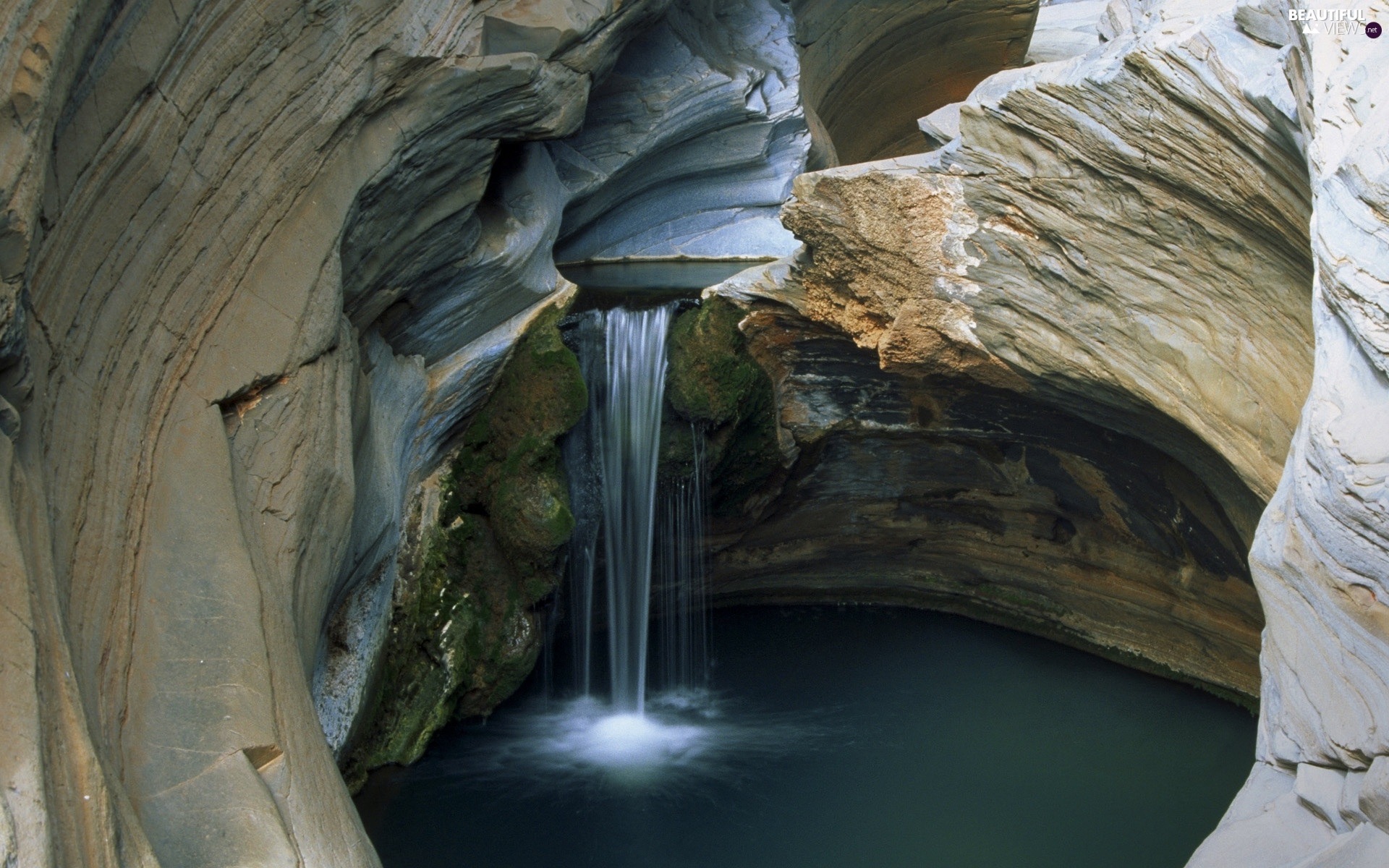
One of the most famous underground waterfalls in New Zealand is located in the Waitomo region, an area globally known for its limestone cave networks. Over millions of years, underground rivers carved through the soft limestone, sculpting tunnels, chambers, and deep vertical shafts. When water from the surface finds its way into these openings, it forms a waterfall that flows directly into the cave. Visitors who enter the cave can hear the distant roar of falling water long before they see it. The sound reverberates across the rock walls, giving the cave a powerful and almost sacred atmosphere.
The underground waterfall does not only serve as a visual spectacle. It also plays a crucial role in shaping the cave over time. The constant flow of water continues to erode the limestone, slowly widening the cave and creating new formations. Stalactites and stalagmites grow as minerals accumulate over centuries. This ongoing geological process makes the cave feel alive. Every drop of water that falls contributes to the cave’s slow transformation, turning it into a natural work of art that is always evolving.
One of the most enchanting features of New Zealand’s cave waterfalls is the presence of glowworms. Some of the caves that house waterfalls are home to thousands of tiny glowworms that illuminate the darkness with their soft blue light. When the waterfall reflects their glow, the scene becomes breathtaking. The mixture of flowing water and natural bioluminescence creates a magical ambience that draws visitors from all around the world. It is one of the few places on Earth where travelers can witness a glowing ceiling with a cascading waterfall below it.
These cave waterfalls are also important ecosystems. The constant supply of fresh, oxygen rich water supports various forms of cave life, including insects, microorganisms, and rare aquatic species. The cool, humid environment provides a stable habitat that remains largely unaffected by the outside climate. Scientists continue to study these caves to understand how life adapts to such extreme and isolated environments. The presence of flowing water makes these caves more biodiverse compared to dry cave systems.
For adventure seekers, exploring a cave with an underground waterfall is an unforgettable experience. Many tours in New Zealand allow visitors to rappel down cavern walls, walk along underground rivers, or float through the cave on inflatable tubes. Visitors often describe the journey as stepping into another world. The cool air, the echo of dripping water, and the sudden appearance of a waterfall inside a pitch black space create a sense of awe and adventure that cannot be replicated above ground.
From a tourism perspective, underground waterfalls contribute significantly to New Zealand’s reputation as a land of natural wonders. They offer an experience that is both thrilling and serene. Photographers often spend hours trying to capture the perfect shot of the waterfall framed by ancient rock formations. Travel magazines frequently feature these hidden waterfalls as must see attractions for nature enthusiasts. Their rarity makes them particularly valuable for tourism and ecological education.
The cultural significance of these caves is also important. Many underground locations in New Zealand are connected to Maori traditions and mythology. Caves are considered sacred spaces, often associated with ancestral journeys and spiritual stories. Waterfalls inside caves symbolize purity and deep natural power. Visiting these sites allows travelers to gain a deeper understanding of New Zealand’s cultural heritage while appreciating its natural beauty.
Despite their beauty, cave waterfalls require careful preservation. Increased tourism can put pressure on fragile cave ecosystems. The rock formations, glowworm habitats, and water quality must be protected to ensure that future generations can experience these wonders. New Zealand has implemented strict conservation rules to reduce environmental impact. Responsible tourism practices, such as limiting visitor numbers and maintaining clean waterways, help preserve the delicate balance inside the caves.
A waterfall inside a cave is one of the rarest and most captivating natural formations on Earth. It blends geological history, ecological complexity, and breathtaking beauty into a single environment. New Zealand’s underground waterfalls stand out as powerful symbols of the country’s wild and untouched landscapes. Whether you are an adventurer, photographer, or nature lover, witnessing a waterfall deep beneath the earth’s surface is an experience that stays with you forever. It is a reminder that some of the world’s greatest wonders are hidden in places we least expect.
