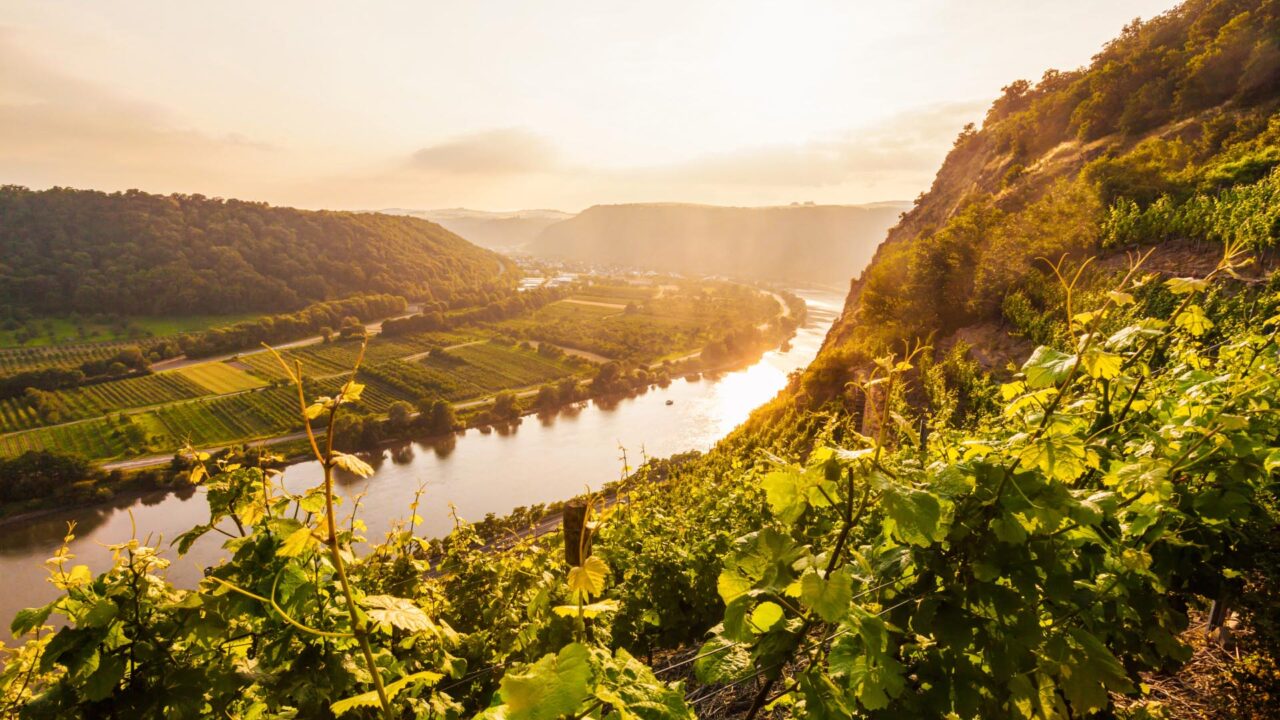
Iceland is known as the land of fire and ice, a place where glaciers sit next to active volcanoes and dramatic landscapes stretch across the horizon. Among its many natural wonders, one of the most visually striking is the Black Volcano. This dark and imposing formation stands out with its deep charcoal colored slopes, rugged textures and a silent but powerful presence that makes it look almost otherworldly. Travelers, photographers and geology enthusiasts visit this volcanic site to witness a natural monument that reveals how the planet continues to shape itself.
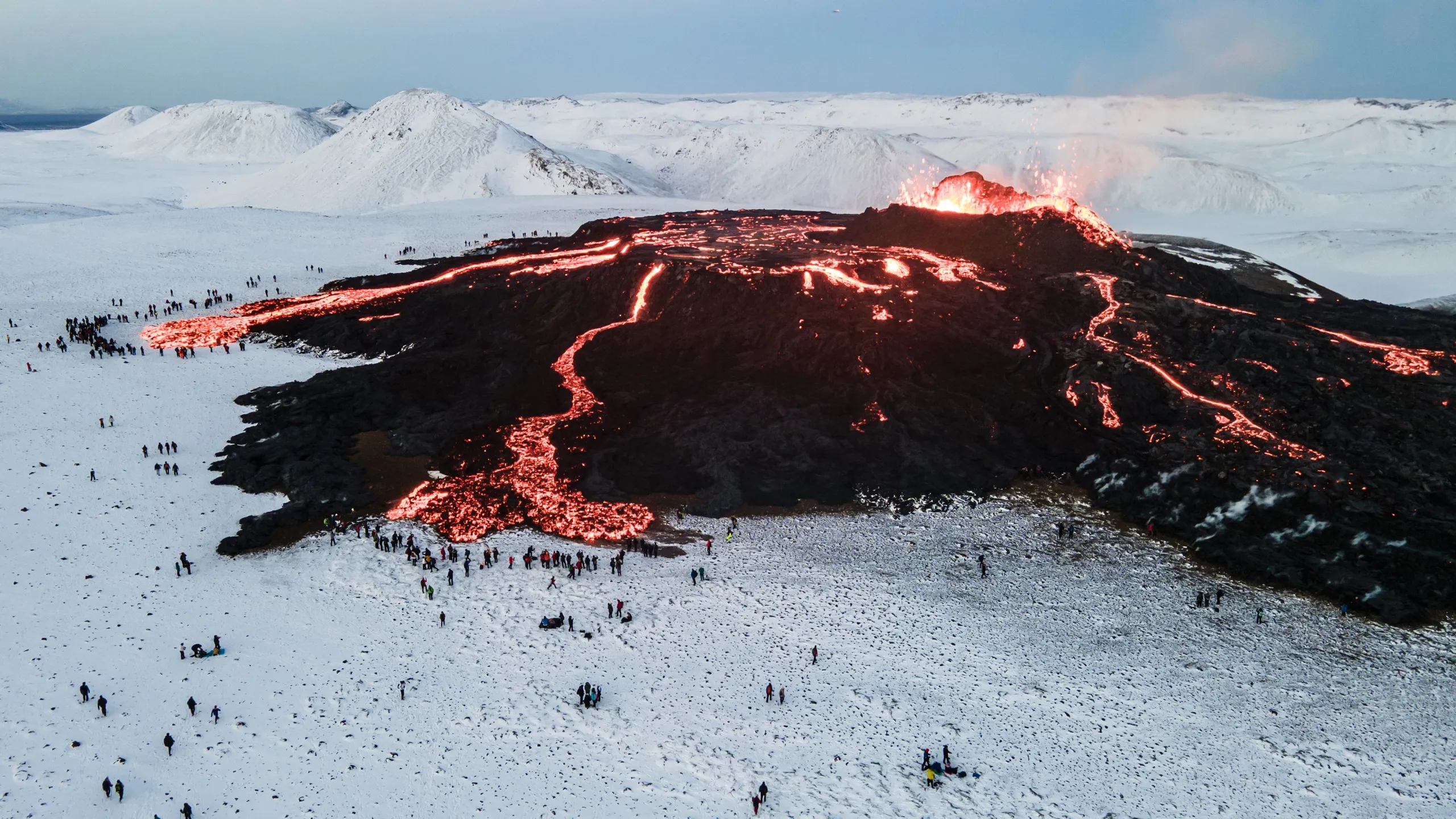
The Black Volcano gets its dark appearance from volcanic ash, basalt rock and hardened lava layers that have formed over thousands of years. Unlike the typical reddish or brown volcanic cones found in many parts of the world, this Icelandic volcano is coated in pure black material that absorbs sunlight and creates dramatic shadows. The contrast between the volcano’s dark slopes and Iceland’s bright sky or snowy landscape makes it one of the most photogenic geological formations in the country.
Located in a remote region surrounded by volcanic deserts and ancient lava fields, the Black Volcano represents Iceland’s intense geological history. The island sits on the Mid Atlantic Ridge where two tectonic plates continually pull apart. This creates a hot spot of volcanic activity that forms new land, underground magma chambers and ever changing landscapes. The Black Volcano is a product of these forces, offering a rare look at the raw structure of Earth’s inner power.
Exploring the Black Volcano is an unforgettable experience. Visitors can hike around the base or climb its slopes to enjoy panoramic views of the surrounding lava plains. The terrain is covered in black sand, volcanic pebbles and unique rock formations created by past eruptions. During certain times of the year, moss grows on the rocks, creating a striking combination of neon green plants against the dark volcanic surface.
The area around the Black Volcano is also rich in geothermal features such as steaming vents, natural hot springs and warm ground patches that hint at the volcanic energy below. These features attract researchers studying geothermal activity and renewable energy. Iceland already uses its volcanic heat to produce electricity and warm homes, making the Black Volcano region both scientifically important and culturally relevant.
Photographers love visiting during sunrise and sunset when the low angle of the sun casts long shadows over the black slopes. The dark color of the volcano intensifies the warm light, creating golden highlights and deep contrasts that look like something from a fantasy world. In winter, snow falls on the volcano and creates a dramatic black and white landscape that feels almost surreal.
The Black Volcano in Iceland is more than a geological structure. It is a symbol of the island’s natural strength and its ongoing transformation. It reminds visitors that the Earth is alive, constantly reshaping itself through volcanic activity, shifting landmasses and geological forces that cannot be seen but can certainly be felt. For travelers seeking a rare destination that offers both beauty and raw natural power, the Black Volcano stands as one of Iceland’s most captivating landmarks.
