




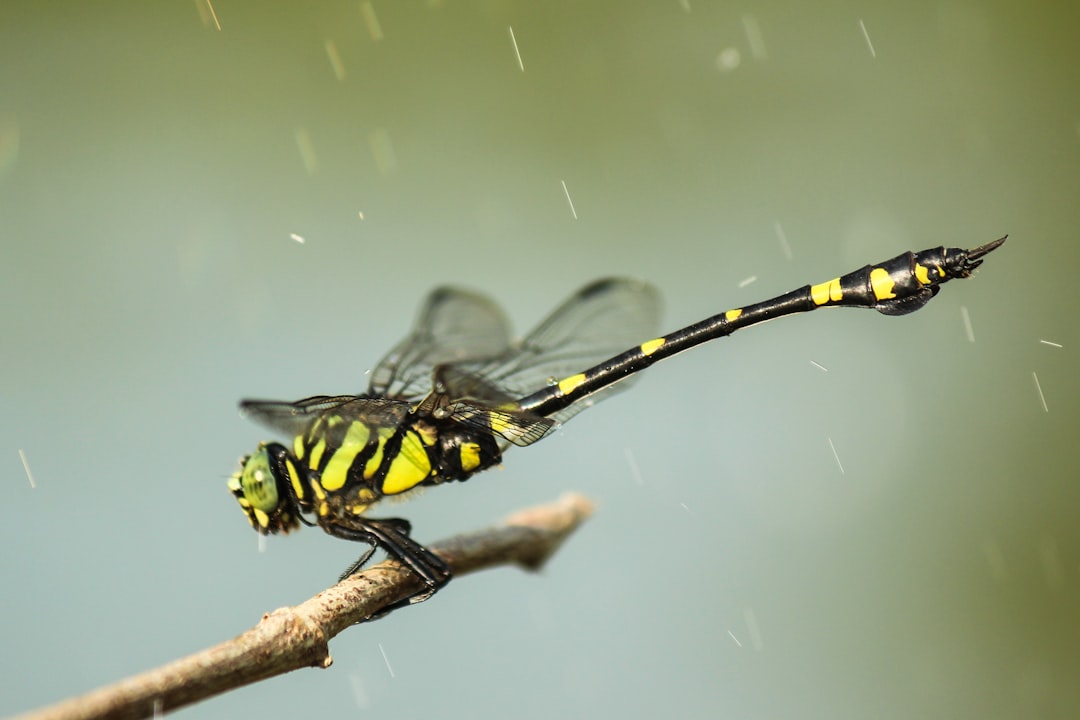
When it comes to aerial acrobatics in the insect world, no creature comes close to the dragonfly. This ancient predator isn’t just fast it’s the ultimate master of flight control, capable of moving in any direction with unmatched precision. Whether hovering motionless like a helicopter, darting backward, flying straight up or down, or executing razor-sharp turns at high speed, the dragonfly redefines what perfect aerial maneuvering looks like.
Here are breathtaking examples of dragonflies in perfect hover and dynamic flight:
Why Dragonflies Excel at Flying in Any Direction
Unlike most insects that rely on fixed or synchronized wing movements, dragonflies possess four independent wings, each powered by its own set of muscles. This unique design allows them to control every wing separately twisting, tilting, and flapping them in different patterns to achieve extraordinary agility.
- Fly forward, backward, upward, downward, or sideways instantly
- Hover in one spot for extended periods
- Make 180-degree turns in milliseconds
- Perform rapid direction changes while chasing prey
Scientists describe this as “perfect aerial maneuvering” because dragonflies can accelerate at up to 4G in straight lines and 9G during sharp turns forces that would challenge even advanced aircraft.
This stunning close-up shows how dragonflies move each wing independently for superior control
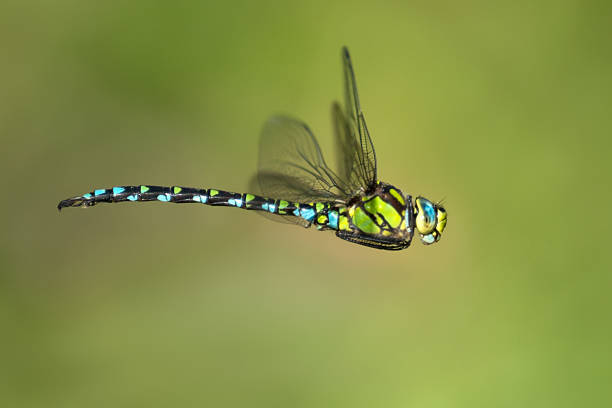
Incredible Speed Meets Precision Hunting
Dragonflies reach speeds of up to 35 mph (56 km/h) making them one of the fastest insects alive. But speed alone isn’t what sets them apart. Their ability to change direction instantly allows them to hunt with a success rate of up to 95-97%, snatching mosquitoes, flies, and other insects right out of the air.
Watch this dramatic mid-air maneuver that captures the essence of their agile pursuit:
Nature’s Inspiration for Modern Technology
Engineers and robotics experts study dragonflies to design better drones, micro-aerial vehicles, and even cyborg-inspired flight systems. Their combination of speed, stability, and ultra-precise control remains unmatched after over 300 million years of evolution.
