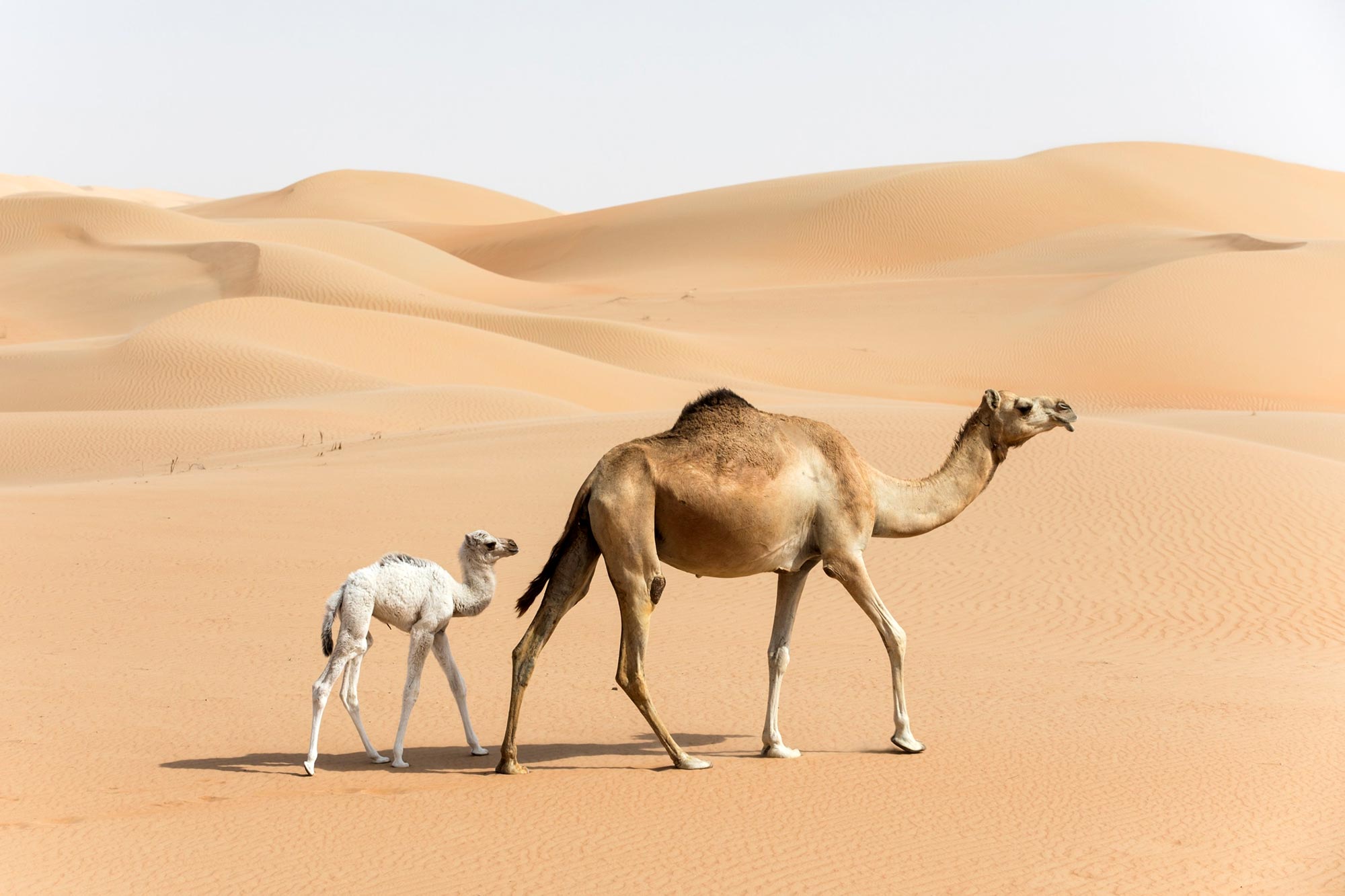
Bobhafiz.com The Arabian Camel, also known as the dromedary (Camelus dromedarius), is famously called the “ship of the desert” for its incredible ability to survive without drinking water for weeks or even months in extreme arid conditions. This one-humped camel can go up to 10-14 days without a single drink while carrying heavy loads, losing up to 30% of its body weight in dehydration far more than most animals could tolerate without fatal consequences.
How Does the Arabian Camel Survive Without Drinking Water?
The camel’s survival secrets include several extraordinary adaptations:
- Fat-Stored Humps: The hump stores up to 80 pounds (36 kg) of fat, which metabolizes into water and energy producing about 1 gram of water per gram of fat oxidized.
- Minimal Water Loss: Thick fur insulates against heat, reducing sweat; nostrils close to retain moisture; and kidneys concentrate urine into a thick syrup while feces are extremely dry.
- Temperature Tolerance: Body temperature can rise from 34°C to 41°C (93°F to 106°F) without sweating, conserving water.
- Efficient Rehydration: When water is available, a camel can drink up to 200 liters (53 gallons) in minutes, with specialized blood cells that swell without bursting.
They also obtain some moisture from desert plants like thorny bushes.
Habitat and Physical Features
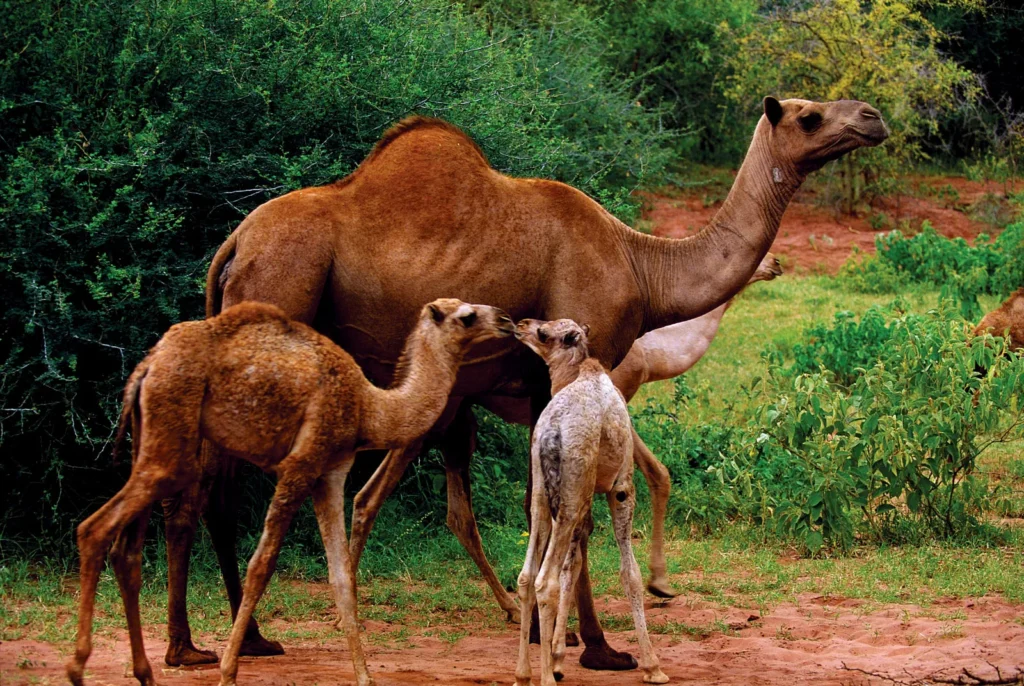
Native to the arid regions of the Middle East and Horn of Africa, Arabian camels have been domesticated for over 3,000 years. A few truly wild populations persist in remote deserts. Features include:
- Single hump (unlike the two-humped Bactrian camel)
- Long legs and padded feet for sand walking
- Bushy eyebrows, double eyelashes, and closable nostrils to protect against sandstorms
- Height up to 2 meters (6.5 feet) at the shoulder, weight 400-600 kg
Cultural and Practical Importance
Camels provide milk, meat, wool, and transport in desert cultures, playing a vital role in Bedouin life and trade routes like the ancient Silk Road.
Fun Facts About the Arabian Camel
- Can detect water sources from miles away.
- Oval-shaped red blood cells help flow during dehydration.
- Lifespan: 40-50 years.
- A thirsty camel’s hump becomes floppy as fat depletes.
If you’re amazed by desert animals or creatures with extreme survival adaptations, the Arabian camel is nature’s ultimate survivor proving life can thrive without regular water in the harshest environments!
