




The polar bear is one of the most iconic animals of the Arctic, known for its massive size, incredible strength and ability to survive some of the harshest conditions on Earth. Among its many adaptations, one of the most extraordinary is its ability to sleep for months beneath layers of snow and ice. This unique survival strategy allows polar bears, especially pregnant females, to endure the long Arctic winter when food becomes extremely scarce.
Polar bears live in a frozen habitat where the environment can reach life threatening temperatures. Sea ice, blizzards and long months of darkness are normal parts of their world. To survive, they rely on dens that they build by digging into deep snowdrifts. These dens act as insulated shelters where the bears can remain hidden and protected from the freezing air outside. Inside these dens, the temperature remains surprisingly stable even when the outside world becomes dangerously cold.
Female polar bears are the ones that experience the longest sleeping period. Before winter begins, they eat continuously to build thick fat reserves that will sustain them for months. Once they have gained enough energy, they find a suitable snowbank, dig a den and settle inside. There they enter a state similar to hibernation. Their heartbeat slows, their breathing becomes gentle and their metabolism drops, allowing them to conserve energy. These bears can remain inside the den for as long as six months without eating, drinking or being exposed to the extreme cold.
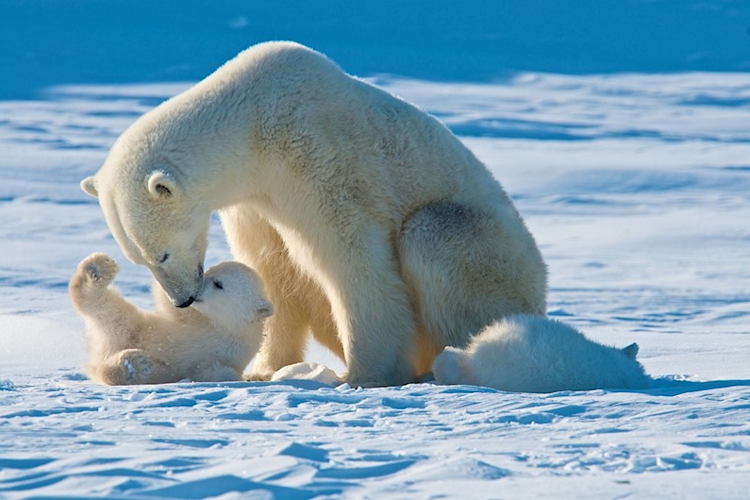
During this time, something remarkable happens. Pregnant polar bears give birth to cubs inside the den while still in their winter sleep. The cubs are tiny at birth, blind and extremely vulnerable. The warmth of the mother and the protection of the snow den allow them to survive and grow during the early months of life. When spring begins and temperatures become less harsh, the mother opens the den and guides her cubs into the outside world for the first time.
Male and nonpregnant female polar bears do not remain in dens as long, but they also rest in snow shelters when needed. They may dig temporary pits or find natural snow caves to sleep for days or weeks when storms become too strong. Their bodies are naturally adapted to conserve heat with thick fur, a heavy fat layer and large paws built to move easily across snow and ice.
Scientists study polar bears closely because their winter habits provide insight into the effects of climate change. As sea ice melts earlier each year, the bears have less time to hunt and gain the fat they need to survive their long winter sleep. This makes their denning behavior increasingly important for the species’ future. Monitoring dens helps researchers understand population trends, reproductive success and changing Arctic conditions.
Despite these challenges, polar bears remain powerful symbols of Arctic wilderness. Their ability to sleep under ice for months shows just how adaptable and resilient they are. It also highlights the importance of the frozen ecosystems that support them. For travelers and wildlife enthusiasts, seeing a polar bear in its natural environment is a rare and unforgettable experience that reveals the raw beauty of the north.
The polar bear’s long winter sleep remains one of nature’s most impressive survival strategies. It demonstrates how life can adapt to extreme conditions through specialized biology, instinct and the natural protection of snow and ice. As long as the Arctic remains cold enough to support them, polar bears will continue to thrive in one of the harshest environments on Earth.
