




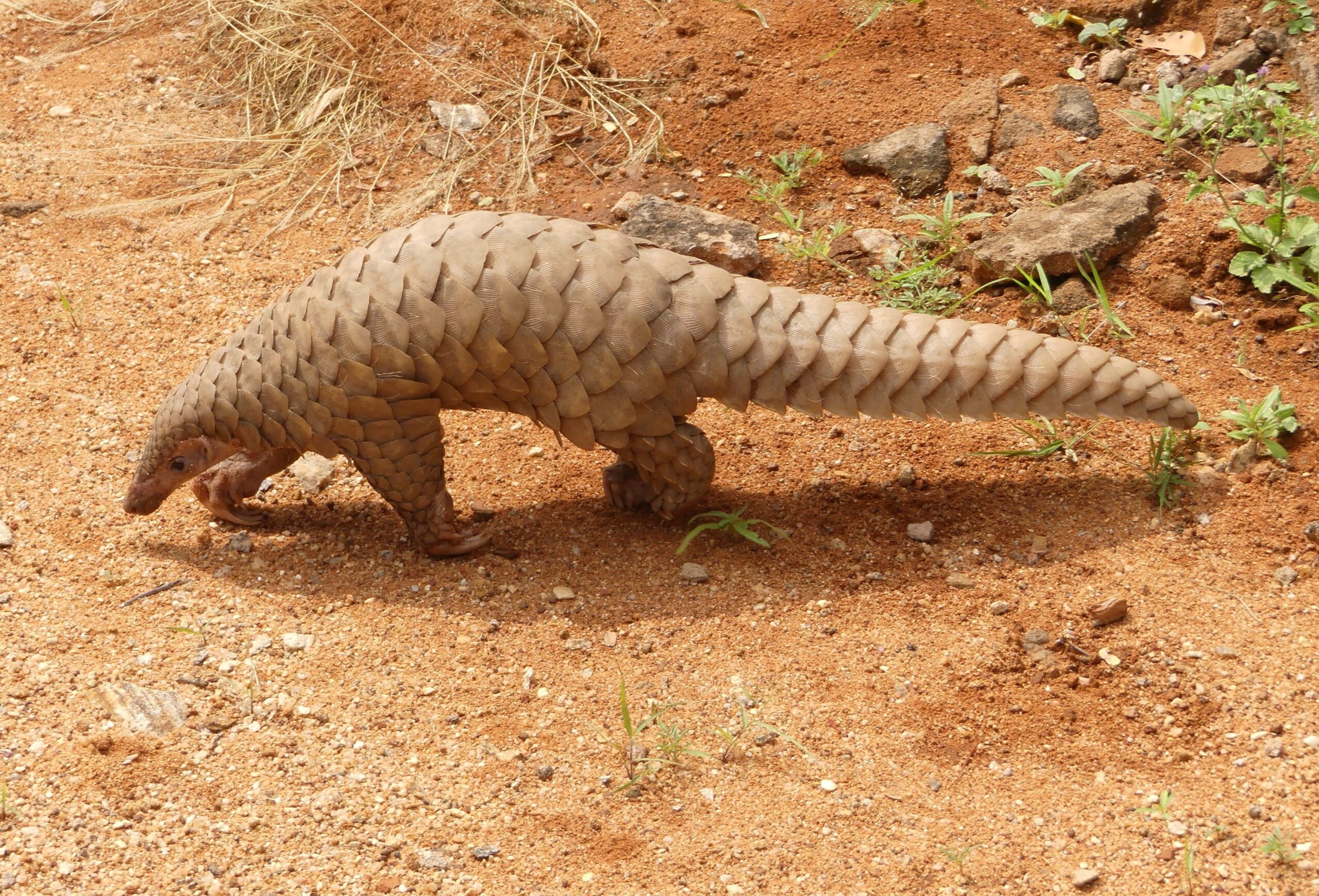
The pangolin is one of the most extraordinary mammals on Earth. Known for its armor-like scales and shy behavior, it holds a unique biological record: the pangolin has a tongue that is longer than its body. This remarkable feature helps it survive in the wild and feeds its reputation as one of the most fascinating creatures in the animal kingdom.
A Tongue Built for Survival
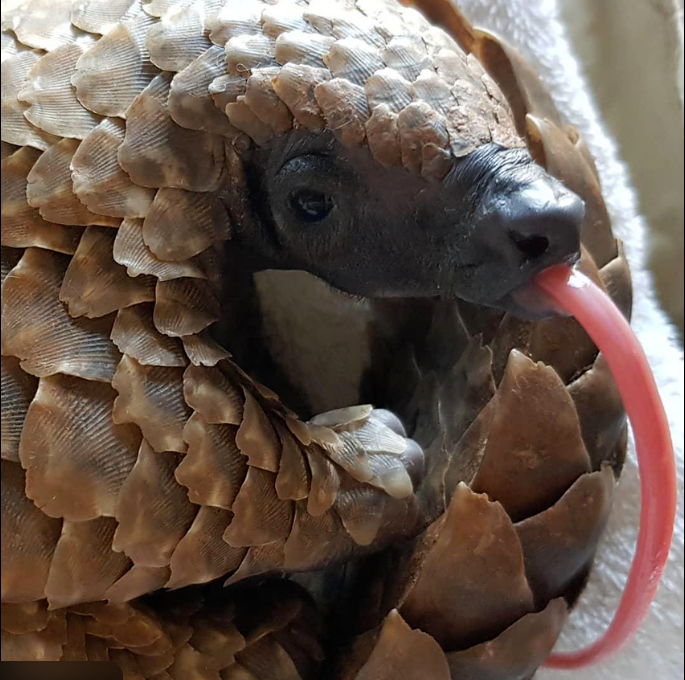
Unlike most mammals, the pangolin’s tongue is anchored deep inside its chest cavity rather than in its mouth. When fully extended, the tongue can exceed the length of the pangolin’s entire body, excluding the tail. In some species, the tongue can reach up to 40 centimeters or more. This extraordinary adaptation allows the pangolin to probe deep into termite mounds, ant nests, and tight crevices where other predators cannot reach.
The tongue is coated with sticky saliva, making it highly efficient for capturing insects. A single pangolin can consume thousands of ants and termites in a night, which highlights its importance in maintaining ecological balance.
Why the Pangolin’s Tongue Is So Long
The evolution of the pangolin’s tongue is primarily linked to its specialized diet. Since pangolins lack teeth, they rely entirely on their tongue to collect prey. The long, flexible, and muscular tongue acts like a natural tool, enabling them to feed without the need to bite or chew. Their strong stomach, equipped with keratinous spines and grit, helps grind food instead.
This feeding system mirrors that of anteaters, though pangolins are not closely related. Their long tongue is an example of convergent evolution, where different species develop similar traits due to similar ecological needs.
Other Unique Features of Pangolins
Pangolins are known for much more than their unusual tongue. Their bodies are covered with tough keratin scales, making them the only fully scaled mammals in the world. When threatened, a pangolin curls into a tight ball, using its armor to protect itself from predators.
Most pangolin species are nocturnal and solitary. They rely heavily on their strong sense of smell to locate insects and navigate their environment. Because of their quiet nature and secretive habits, wild pangolins are rarely seen even in regions where they are native.
Conservation Status
Despite their unique adaptations, pangolins are among the most threatened mammals globally. Illegal wildlife trafficking, driven by demand for their scales and meat, has pushed several species toward critical endangerment. Conservation organizations worldwide are working to protect pangolin populations through stronger law enforcement, habitat preservation, and public awareness campaigns.
Why Pangolins Matter
Pangolins play a vital role in maintaining insect populations, preventing termites and ants from overwhelming ecosystems or damaging crops. Their decline can significantly affect ecological stability. Protecting pangolins not only preserves a remarkable species but also supports biodiversity and healthy environments.
