




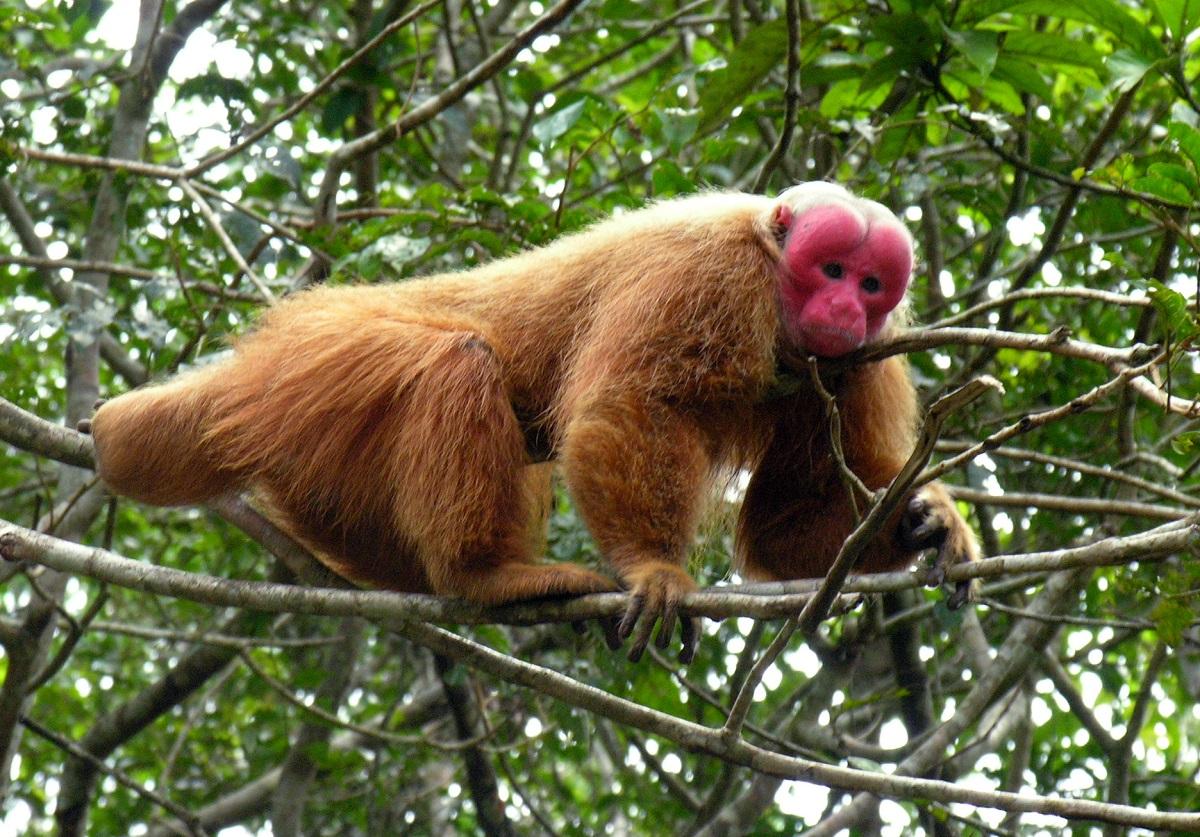
The natural world is full of extraordinary creatures, but few animals capture human attention quite like the bald uakari. Known for its bright pink face and human-like hair, this rare primate stands out as one of the most unusual-looking animals on Earth. Native to the Amazon rainforest, the bald uakari combines striking physical features with fascinating behavior, making it a subject of interest for scientists, wildlife enthusiasts, and nature photographers alike.
What Is a Bald Uakari?
The bald uakari, scientifically known as Cacajao calvus, is a species of New World monkey found primarily in the western Amazon Basin. It inhabits parts of Brazil, Peru, and Colombia, favoring flooded forests near rivers and wetlands.
What immediately sets the bald uakari apart from other primates is its completely hairless head and vivid pink or red face. This bald appearance, combined with thick fur on the body that resembles human hair, gives the animal a surprisingly human-like look. Its face appears almost expressive, often leading people to describe it as both strange and captivating.
The Meaning Behind the Pink Face
The bald uakari’s bright pink face is more than just a visual curiosity. Scientists believe the color is a strong indicator of health. A vibrant pink or red face suggests good blood circulation and low parasite levels, making it an important factor in mate selection.
Unlike many primates that rely on vocalizations or physical displays, bald uakaris use facial coloration as a biological signal. A pale or dull face may indicate illness, causing other members of the group to avoid close contact. This makes the pink face an essential survival trait in the wild.
Human-Like Hair and Physical Features
The bald uakari’s thick, shaggy fur covers most of its body and often resembles coarse human hair in texture. The fur color ranges from white and cream to light brown, creating a sharp contrast with its bare face.
In addition to its unusual hair, the bald uakari has a short tail compared to other monkeys. Unlike many primates that use their tails for balance or gripping branches, the uakari relies more on strong limbs to move through the forest canopy. Its powerful legs allow it to leap between trees with agility despite its stocky appearance.
Behavior and Social Life
Bald uakaris are highly social animals that live in groups ranging from 10 to over 100 individuals. These groups are typically divided into smaller subgroups during daily activities such as feeding and traveling.
They are diurnal, meaning they are active during the day. Bald uakaris communicate through vocal calls, facial expressions, and body movements. Their social structure helps protect them from predators and improves their chances of finding food in dense rainforest environments.
Diet and Feeding Habits
The diet of the bald uakari mainly consists of fruits, seeds, and leaves. They are especially known for their ability to crack open hard seeds that many other animals cannot eat. Their strong jaws and specialized teeth allow them to access nutritious food sources that give them a competitive advantage in the rainforest.
Occasionally, bald uakaris also consume insects, flowers, and small invertebrates, adding variety to their diet. This flexible feeding behavior helps them survive seasonal changes in food availability.
Habitat and Environmental Role
Bald uakaris live primarily in seasonally flooded forests, also known as várzea and igapó forests. These unique ecosystems are submerged for several months each year, shaping the animals that live there.
As fruit and seed eaters, bald uakaris play an important role in seed dispersal. By consuming fruit and moving across wide areas of forest, they help maintain plant diversity and forest regeneration, making them a vital part of the Amazon ecosystem.
Conservation Status and Threats
The bald uakari is currently classified as vulnerable due to habitat loss, deforestation, and hunting. Expanding agriculture, logging, and human settlement continue to reduce the size of its natural habitat.
Conservation efforts focus on protecting rainforest areas and raising awareness about the importance of preserving biodiversity. Because the bald uakari is so visually distinctive, it has become an important symbol for conservation campaigns in the Amazon region.
Why the Bald Uakari Fascinates Humans
The combination of human-like hair, a bald head, and a pink face makes the bald uakari one of the most visually striking primates in the world. Its appearance challenges our expectations of what animals should look like and highlights the incredible diversity of nature.
Often described as “strangely human,” the bald uakari reminds us of the close evolutionary relationship between humans and primates. Its unique look and ecological importance make it a powerful example of why protecting wildlife matters.
