




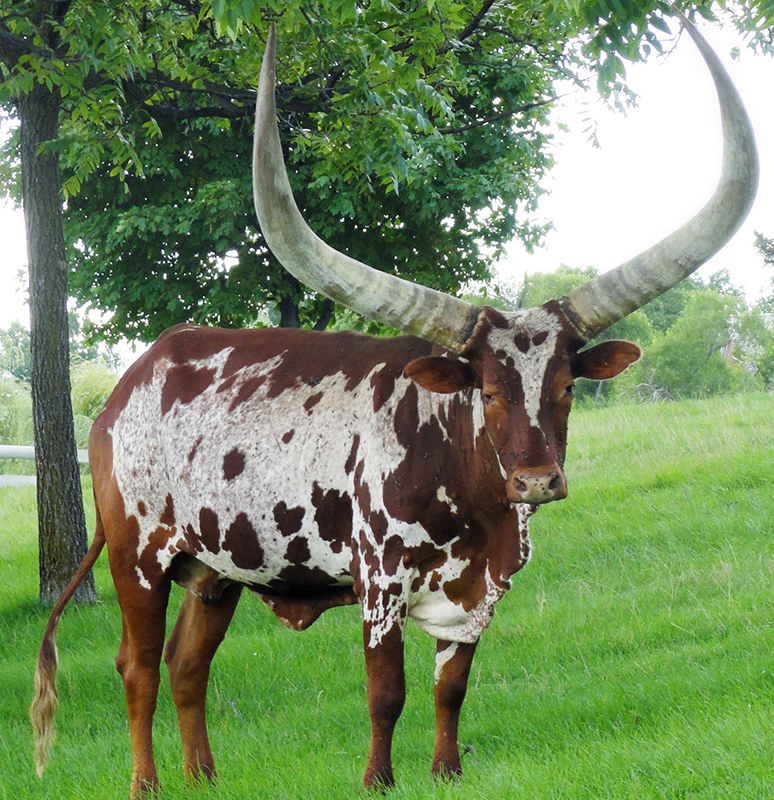
Ankole cattle, often called Ankole Watusi, are known worldwide for having the longest and most impressive horns of any cattle breed. These horns can reach remarkable lengths, sometimes growing up to 2.4 meters from tip to tip. Their massive horn span and elegant shape make Ankole cattle one of the most visually striking animals on the planet. Originating from East Africa, especially Uganda and Rwanda, this breed has been a cultural and agricultural treasure for centuries, valued not only for its appearance but also for its adaptability and resilience.
What makes Ankole cattle stand out is the structure and function of their horns. Unlike many animals that use horns primarily for defense, Ankole horns also serve as a biological cooling system. Inside each horn is a network of blood vessels that help regulate body temperature in hot climates. When blood flows through these vessels, heat is released through the surface of the horn, helping the cattle stay cool during intense heat. This natural cooling system is one of the reasons Ankole cattle thrive in regions where temperatures are high and food resources can be limited.
Physically, Ankole cattle are tall, muscular, and graceful. Their coats come in shades of reddish brown, dark brown, or even patterned spots. Their horns vary in shape. Some are long and slightly curved, while others grow almost straight and vertical. The largest horns often belong to males, but females can also develop impressive horn structures. These horns begin growing at a young age and continue to increase in size throughout the animal’s life, giving older individuals a majestic and powerful appearance.
Historically, Ankole cattle have played a significant role in the cultures of East Africa. They are considered symbols of wealth, social status, and tradition. For many communities, owning large, healthy Ankole cattle is a sign of prosperity and honor. Their milk, although not produced in large quantities compared to other breeds, is highly valued for its richness. The cattle are also used in ceremonies and celebrations, reflecting their importance in daily life and cultural heritage.
In modern times, the striking appearance of Ankole cattle has drawn interest from breeders around the world. Today, they can be found in various countries outside Africa, including the United States. Farmers appreciate their hardiness, disease resistance, and ability to survive in harsh environments. However, preserving the pure Ankole breed is essential, as crossbreeding can reduce the unique horn characteristics that make this animal so iconic.
Tourism also benefits from the beauty of Ankole cattle. Travelers visiting Uganda or Rwanda often encounter herds grazing in open savannas, creating a picturesque scene enhanced by the silhouettes of their long horns against the horizon. Photographers and wildlife enthusiasts frequently seek opportunities to capture images of these remarkable animals in their natural habitat.
Despite their breathtaking appearance, Ankole cattle face several challenges. Habitat loss, reduced grazing lands, and economic pressures can threaten traditional herding practices. Many organizations and local communities are working to conserve the breed by promoting sustainable grazing systems and protecting cultural traditions associated with Ankole cattle. These efforts help ensure that future generations will continue to see and appreciate this extraordinary animal.
Ankole cattle are more than just animals with long horns. They represent resilience, beauty, and deep cultural significance. Their horns, while visually stunning, tell a story of adaptation to harsh environments and centuries of coexistence with human societies. As one of the most iconic cattle breeds on Earth, the Ankole stands as a reminder of the diversity and wonder found in the natural world.
