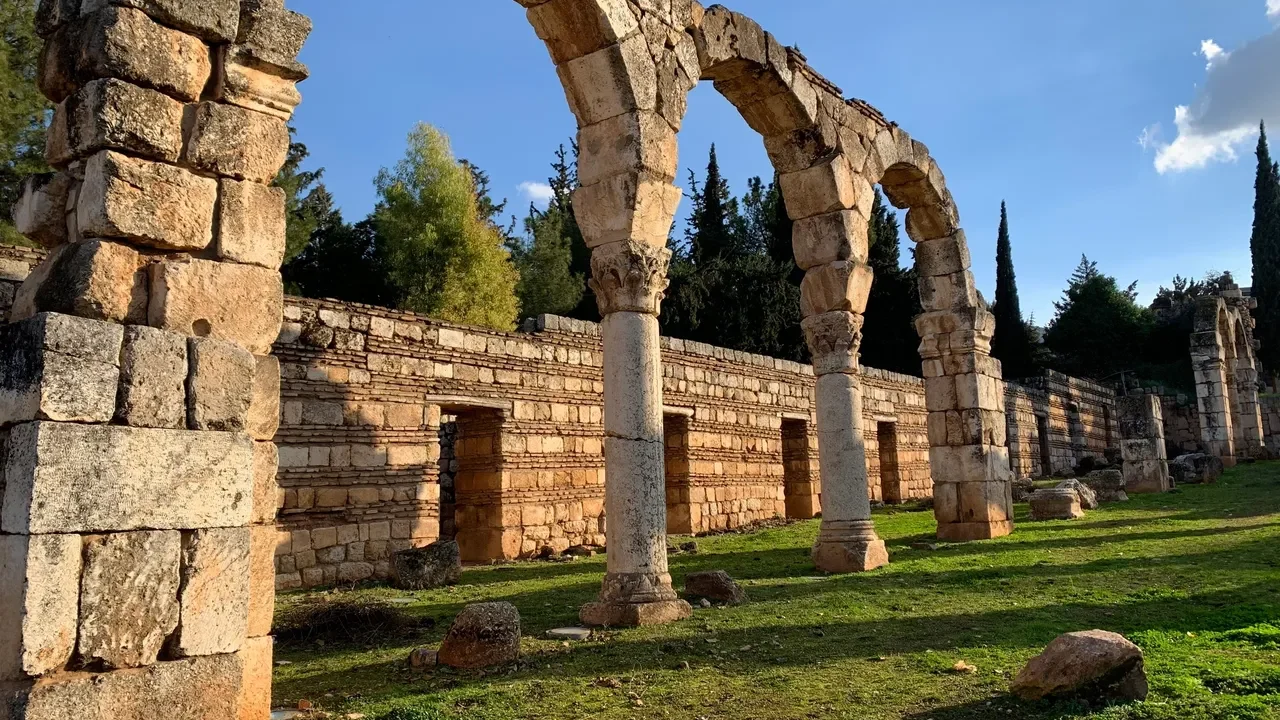



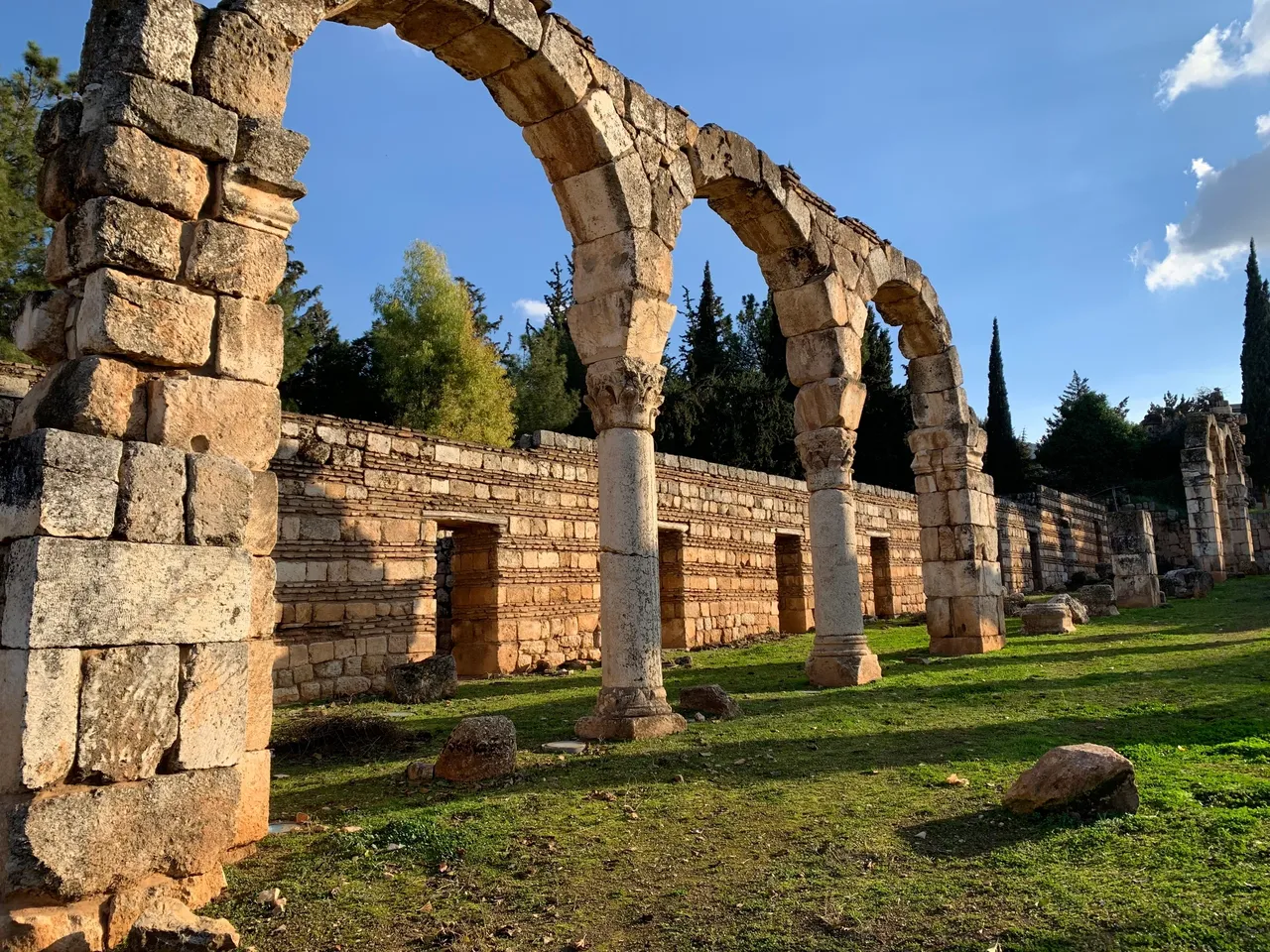
Anjar (also known as Haush al-Umari or the “City of the Columns”) is Lebanon’s only surviving Umayyad-period city a remarkably well-preserved 8th-century Islamic urban settlement that stands as one of the most important archaeological sites in the Middle East.
Also See : Austria’s Eternal Ice Cave A Magical Wonder from the Underground
Founded around 705–715 AD by Caliph Walid I, Anjar was a planned city with:
- A grand palace complex, mosques, baths, and administrative buildings
- A perfect grid layout with colonnaded streets, shops, and residential quarters
- Massive defensive walls, gates, and a sophisticated water system including aqueducts and cisterns
What makes Anjar truly unique: Unlike most ancient sites in Lebanon that are Phoenician, Roman, or Crusader, Anjar represents the early Islamic golden age in the region yet it was mysteriously abandoned after only a few decades, leaving it almost frozen in time. Today, visitors can walk the intact streets of an 1,300-year-old city with very few crowds.
For searches like Anjar Lebanon, Umayyad city Lebanon, hidden archaeological sites Lebanon, or Anjar ruins, this quiet, majestic site offers a rare window into early Islamic architecture and urban planning outside the major capitals of the caliphate.
